Collection Spotlight: Horse Eyes from the Kiln
This lunar new year, we usher in the Year of the Fire Horse, the 7th animal of the 12-year lunar cycle and a powerful creature associated with strength, peace and imminent blessings.
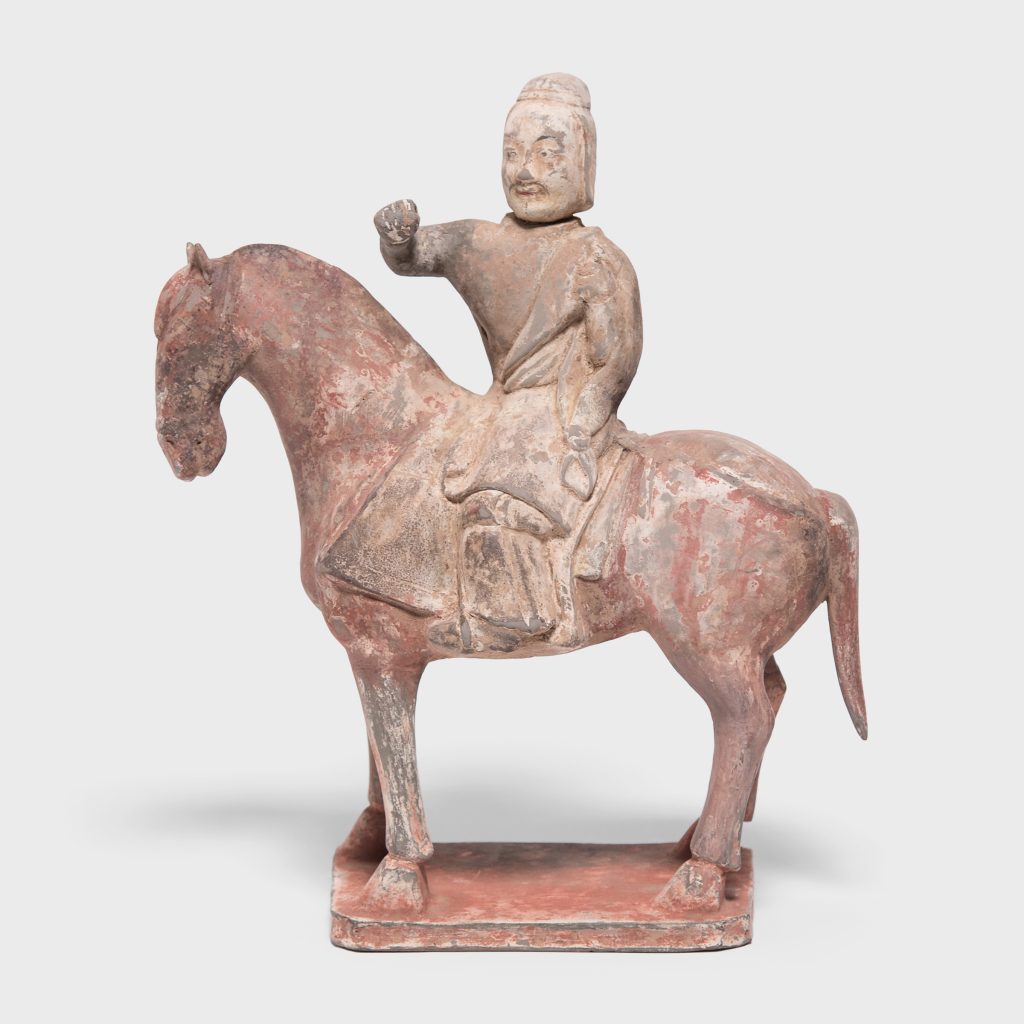
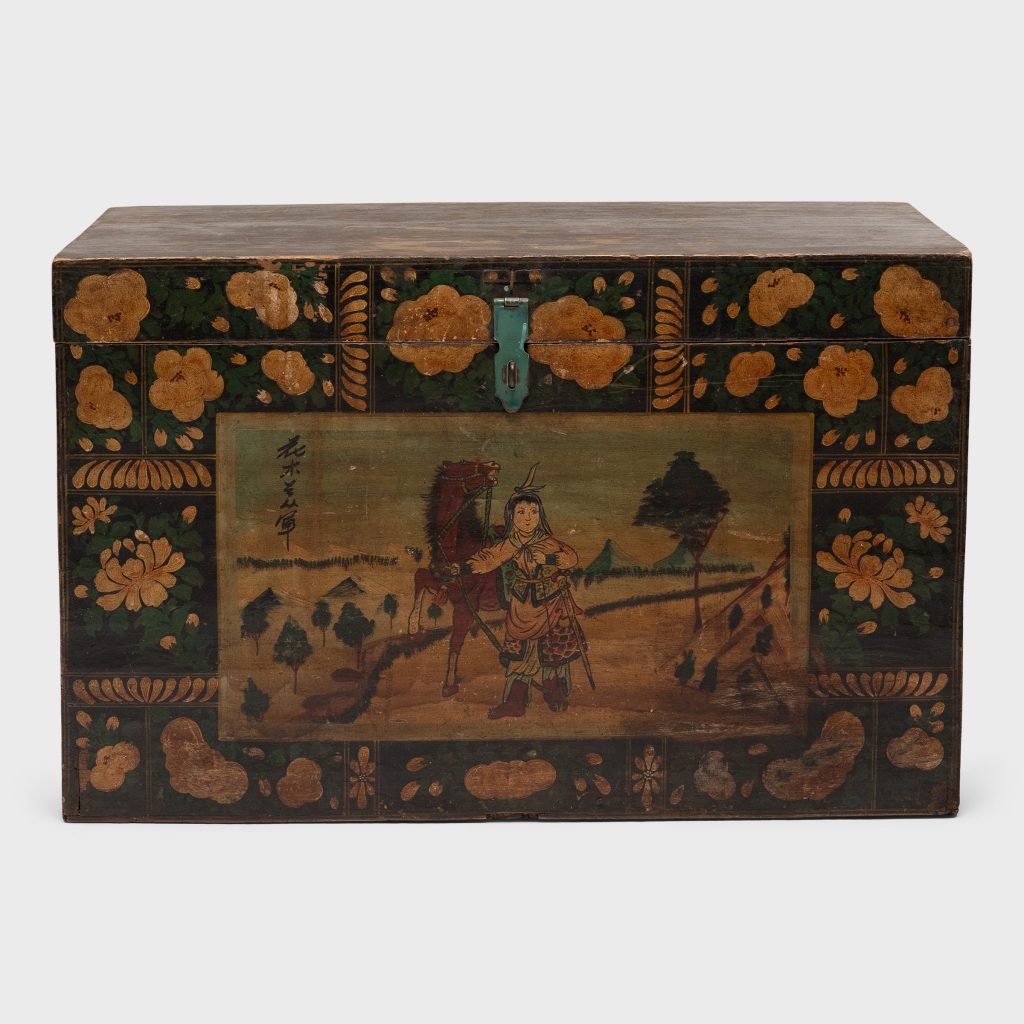
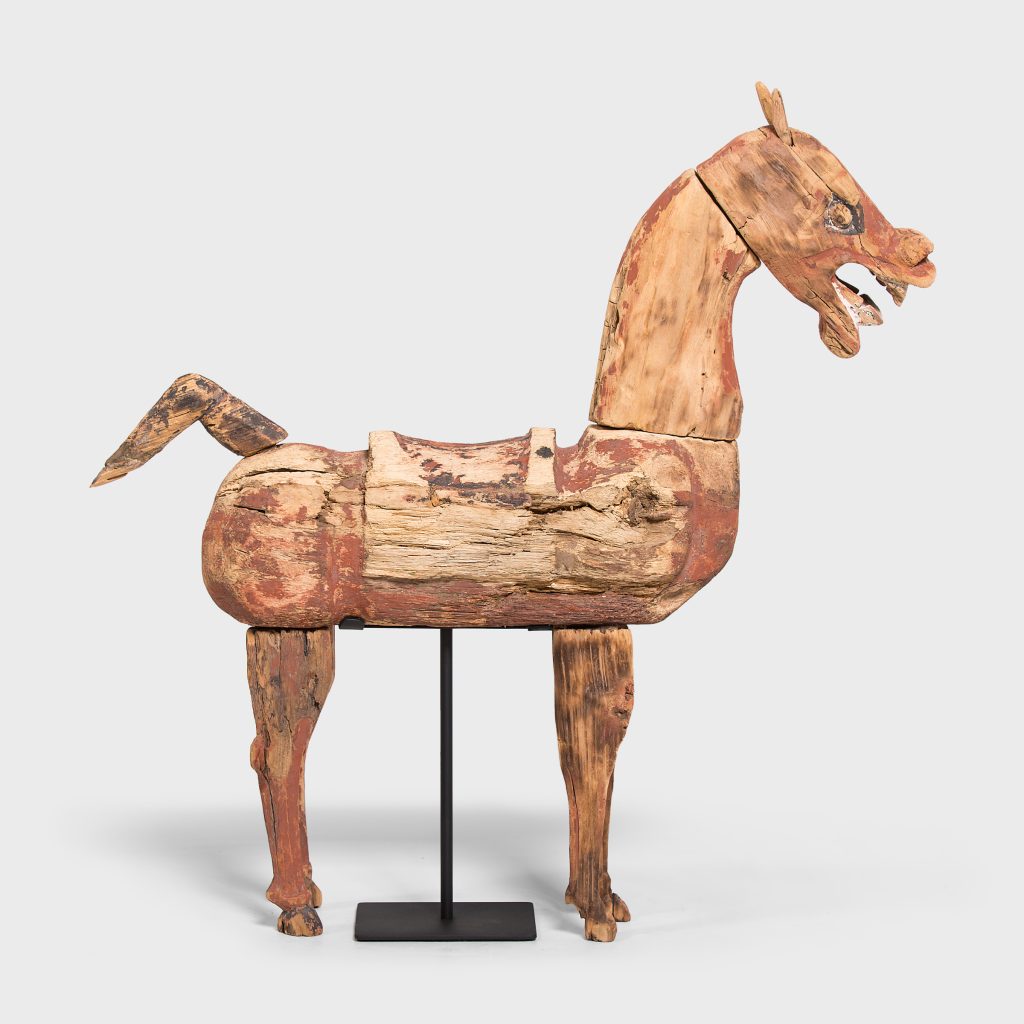
Horses are celebrated in Chinese art in various forms, shown as faithful steeds in scroll paintings & screens or as celestial beings in míngqì figurines & depictions of the zodiac. Their tail hairs form the bristles of calligraphy ink brushes and their hoof feet are carved into the legs of wooden tables & stools.
But this year, our favorite way to recognize the horse is with a rare collection of Ming-dynasty (1368-1644) pottery decorated with a swirling motif known as “horse eye” spirals. Loosely brushed in muted tones, these horse eyes are rendered to a dark brown in the fiery heat of the kiln – making these vessels an especially apt way to hearken the Year of the Fire Horse.
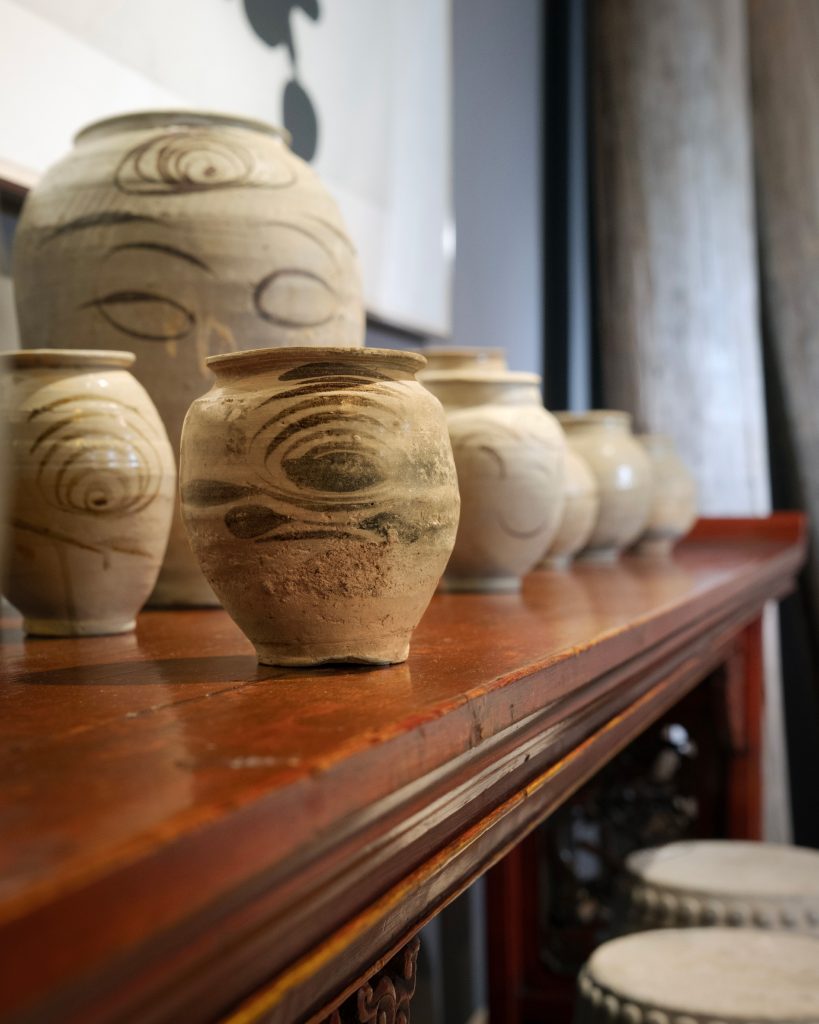
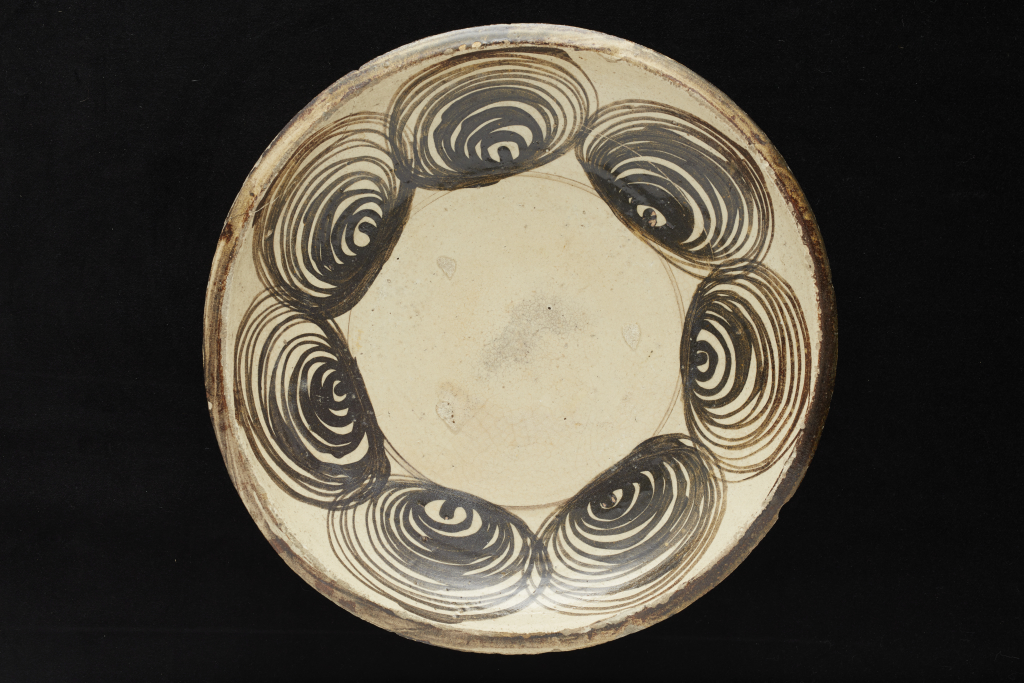
An abstract whorl of tightly coiled lines, the horse eye motif is painted in a single, freeform movement, drawn in red-brown iron pigments atop a creme-white slip finish. Flattened to an oval, these spirals recall the almond shape of a horse’s eye, however other interpretations compare them to thunderclouds or clam shells. On some vessels in our collection, the addition of a few well-placed brushstrokes transform the spirals into budding flowers, while others fill the sides like ripples in a pond.
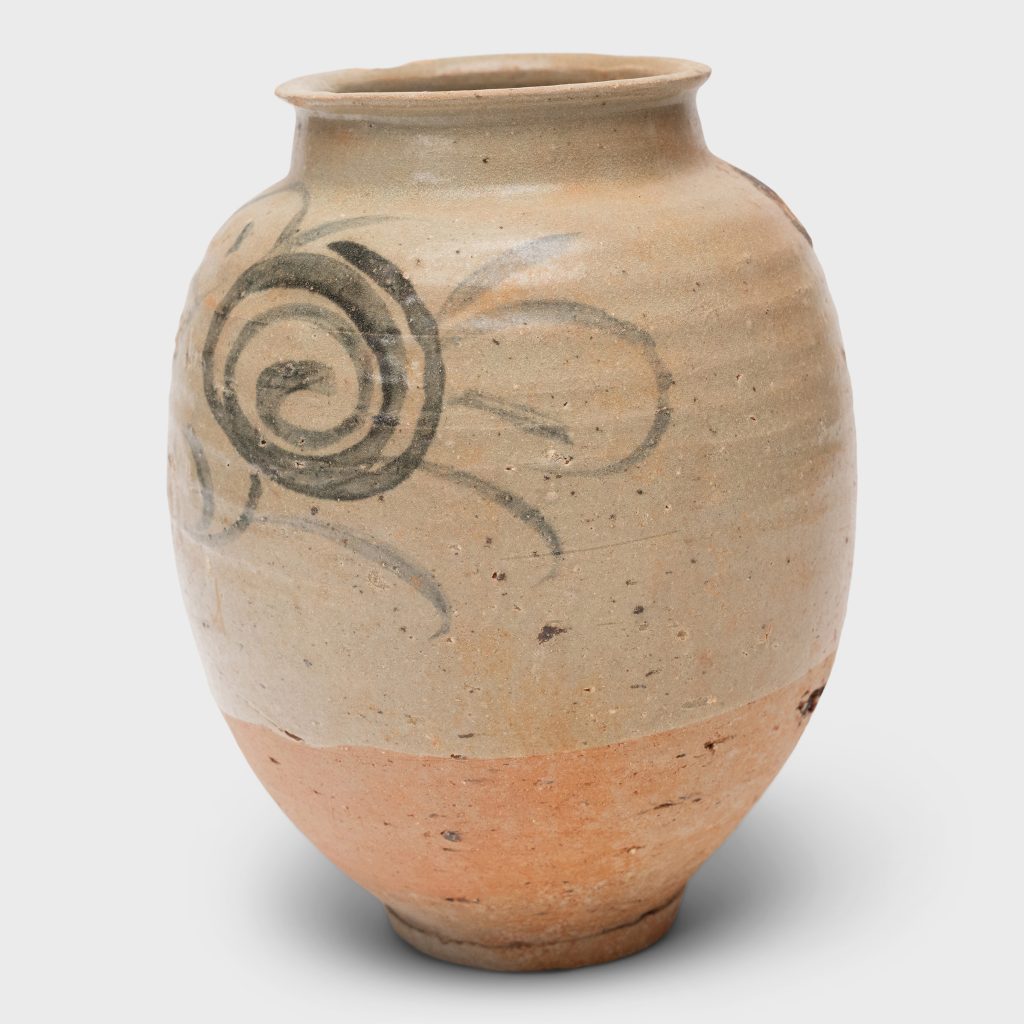
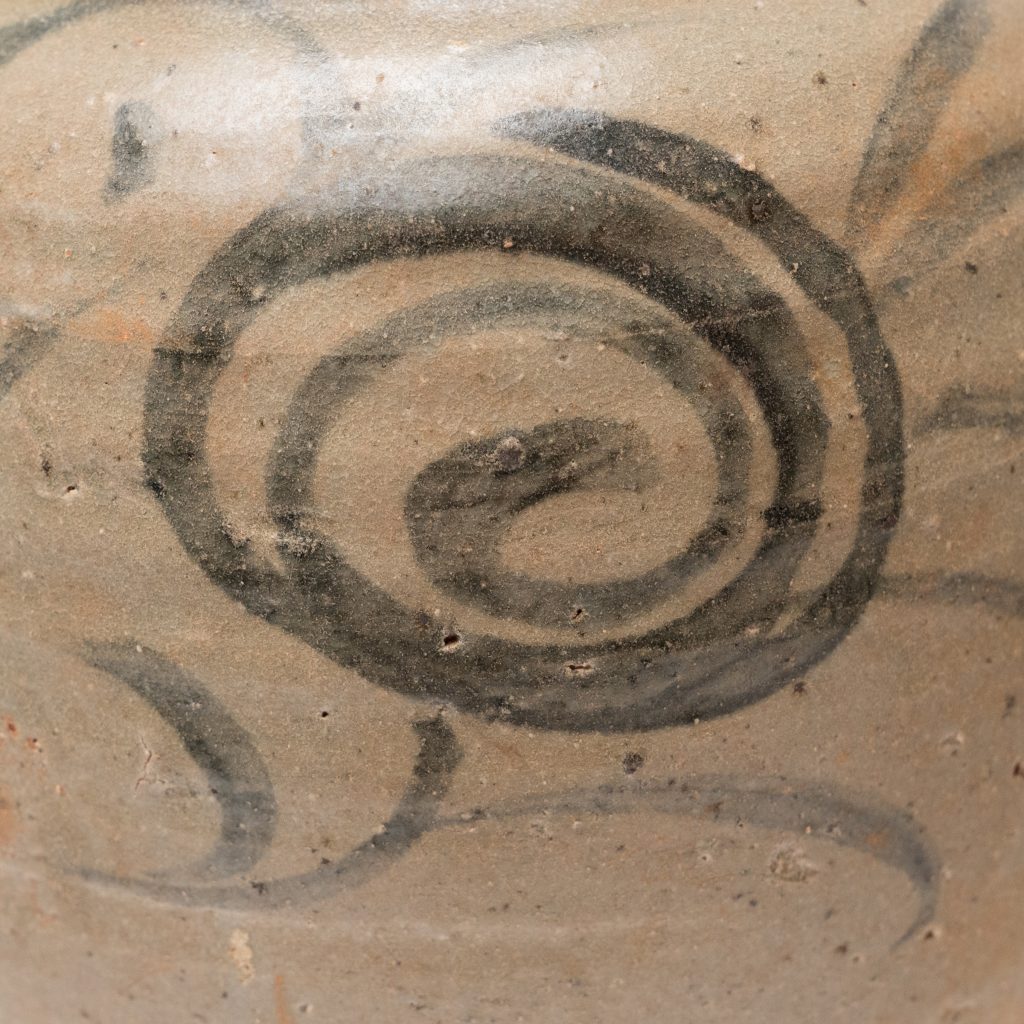
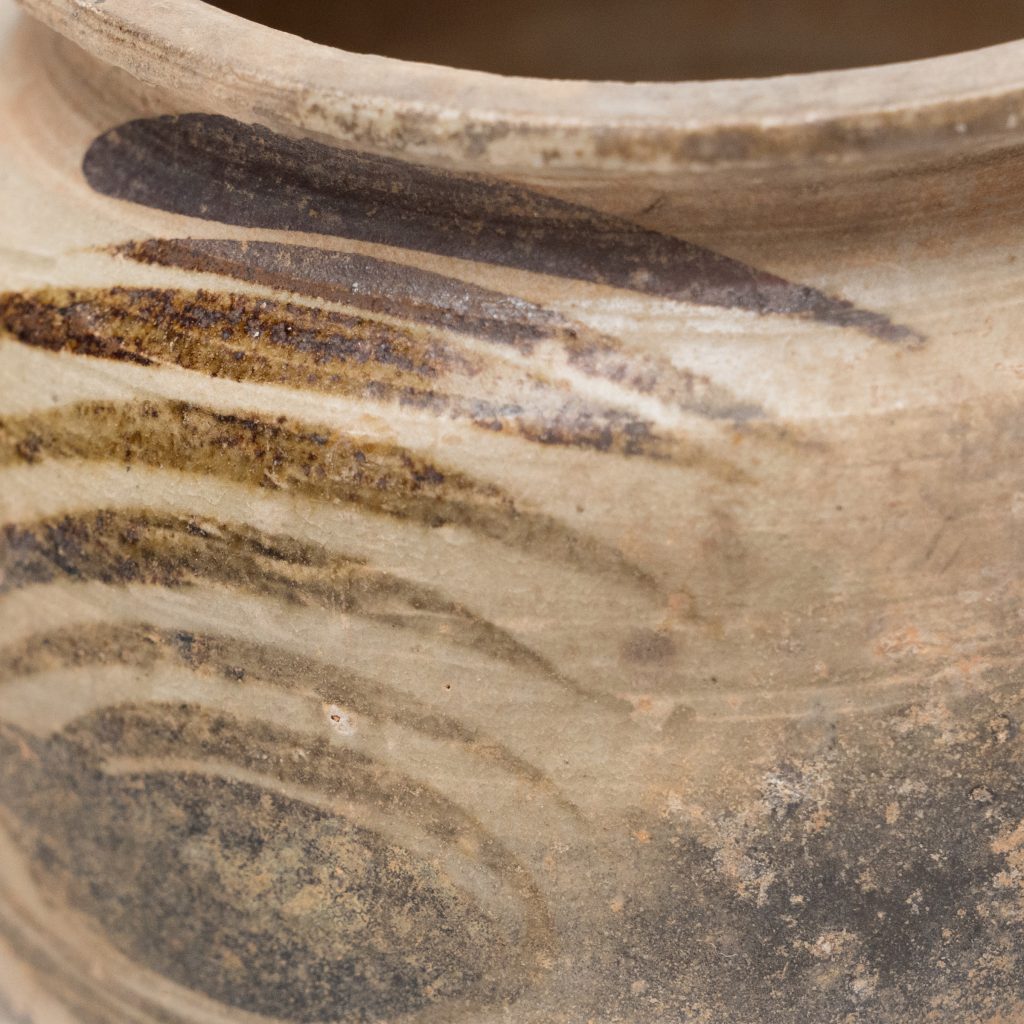
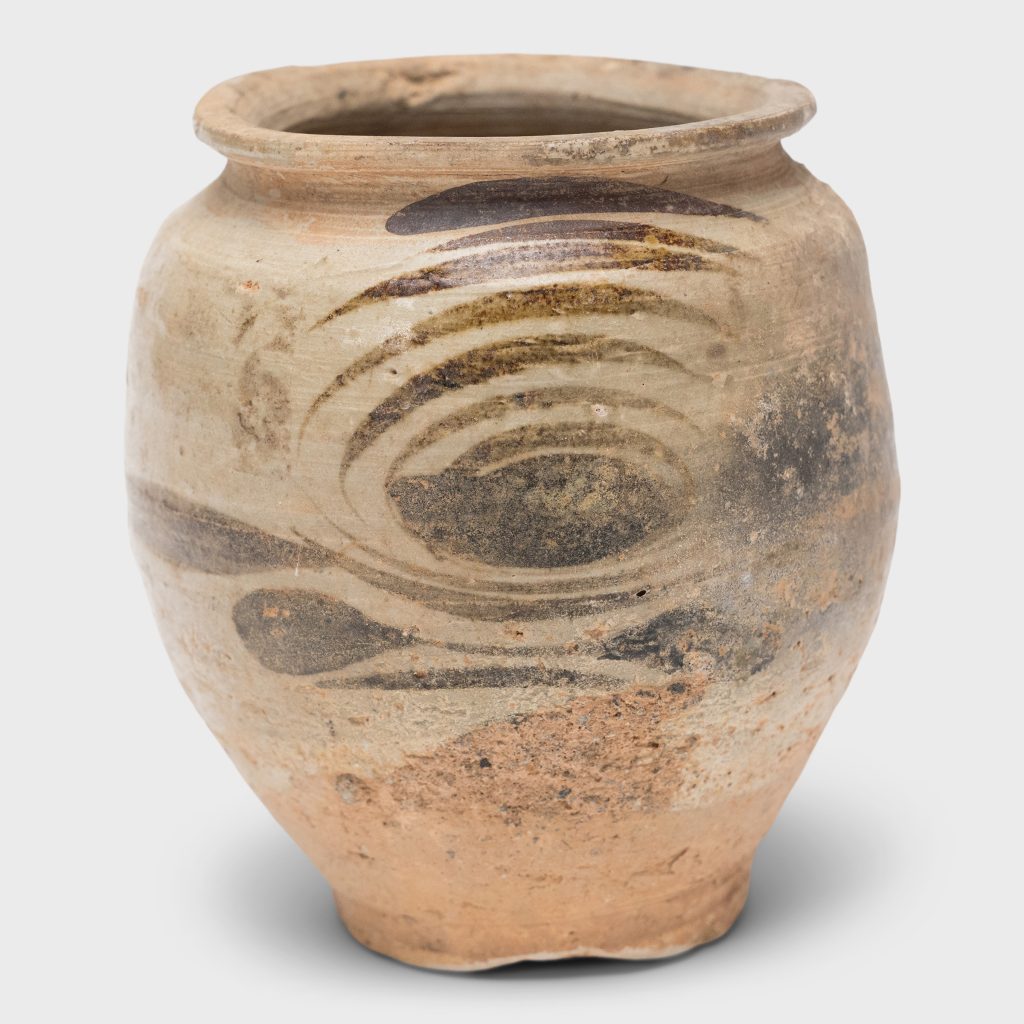
The horse eye motif is most prominently associated with kitchenware of Japan’s Seto region, particularly the serving dishes known as Seto ishizara (stone plates). Used for plating meals of simmered fish or vegetables, these plates were commonly painted with an outer border of large horse eye spirals, known in Japanese as “umanome.”
Our collection of horse eye pottery consists of 16th-century kitchenware from China’s Yunnan province. While today these vessels are incredible works of art, they were originally humble objects for everyday use, such as wine jars, rice bowls, condiment bottles and pantry jars for food storage.
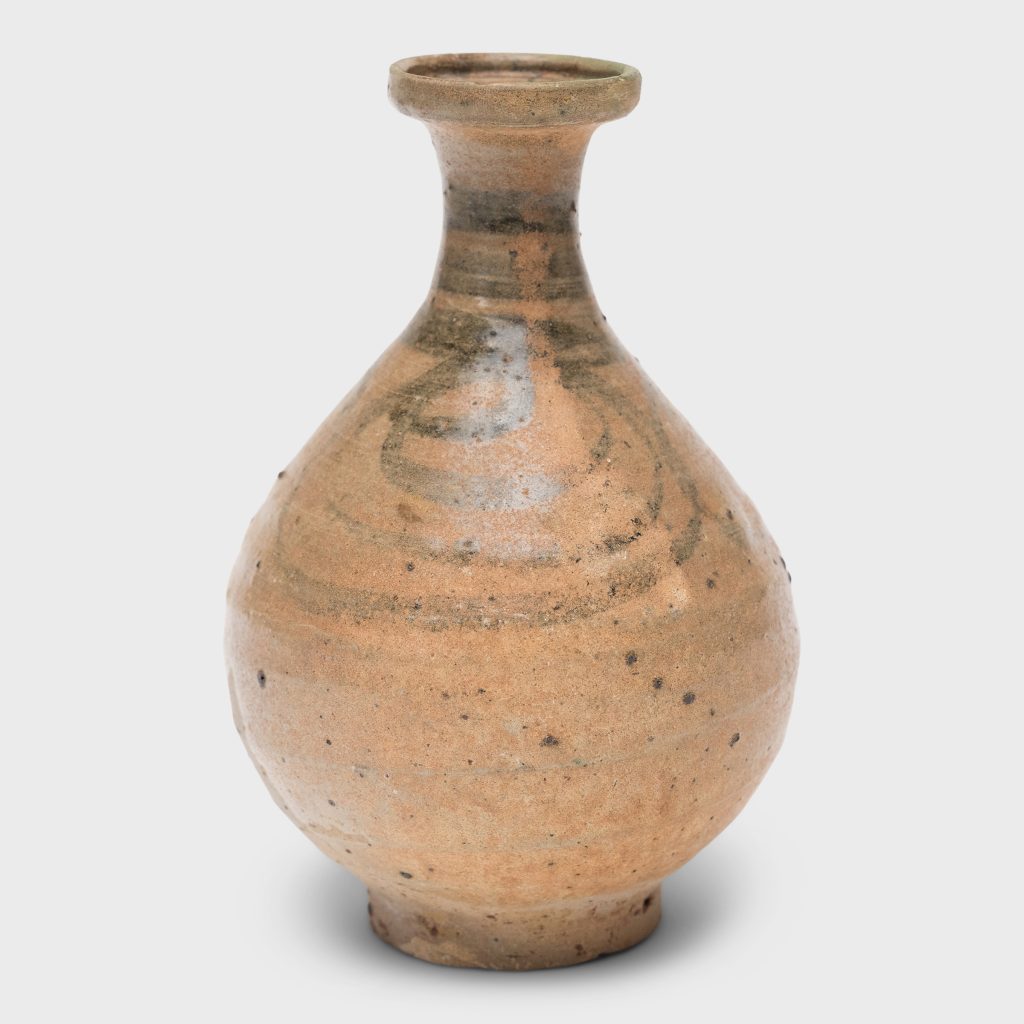
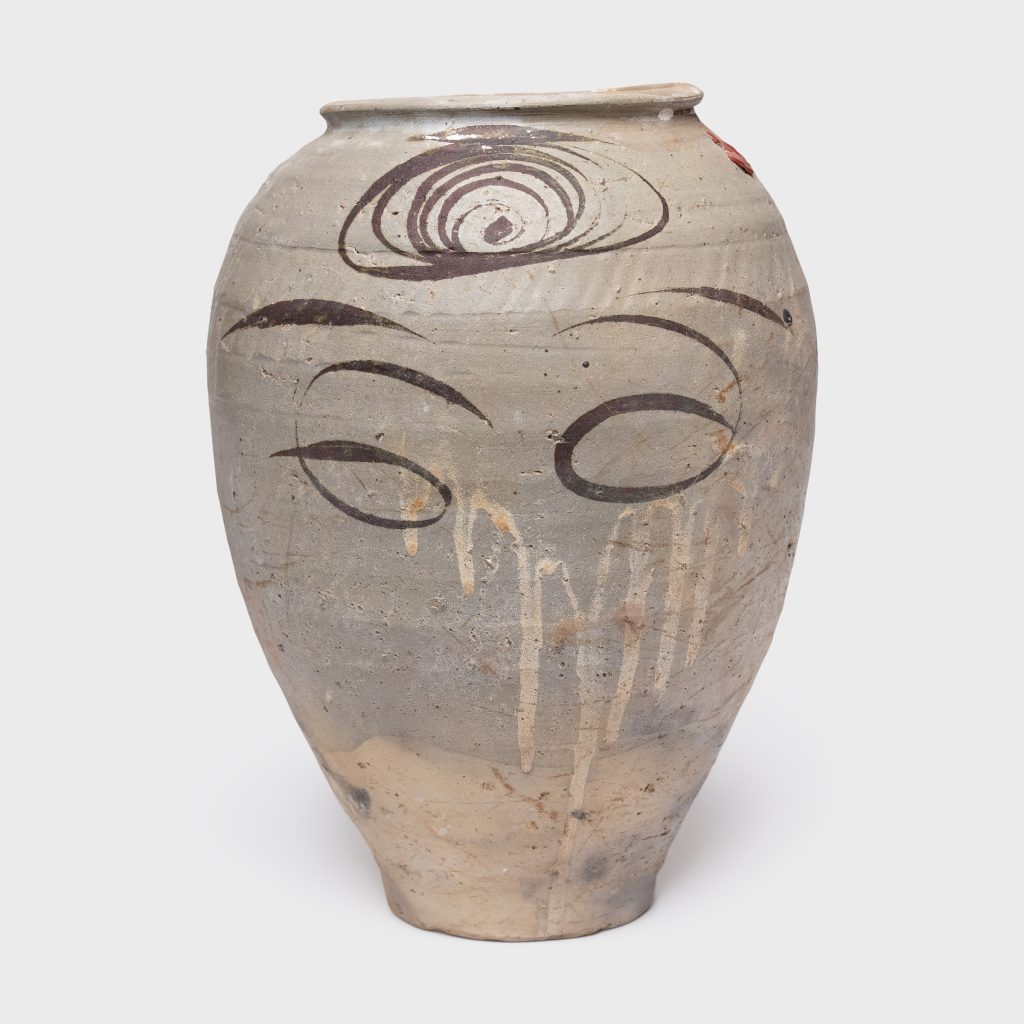
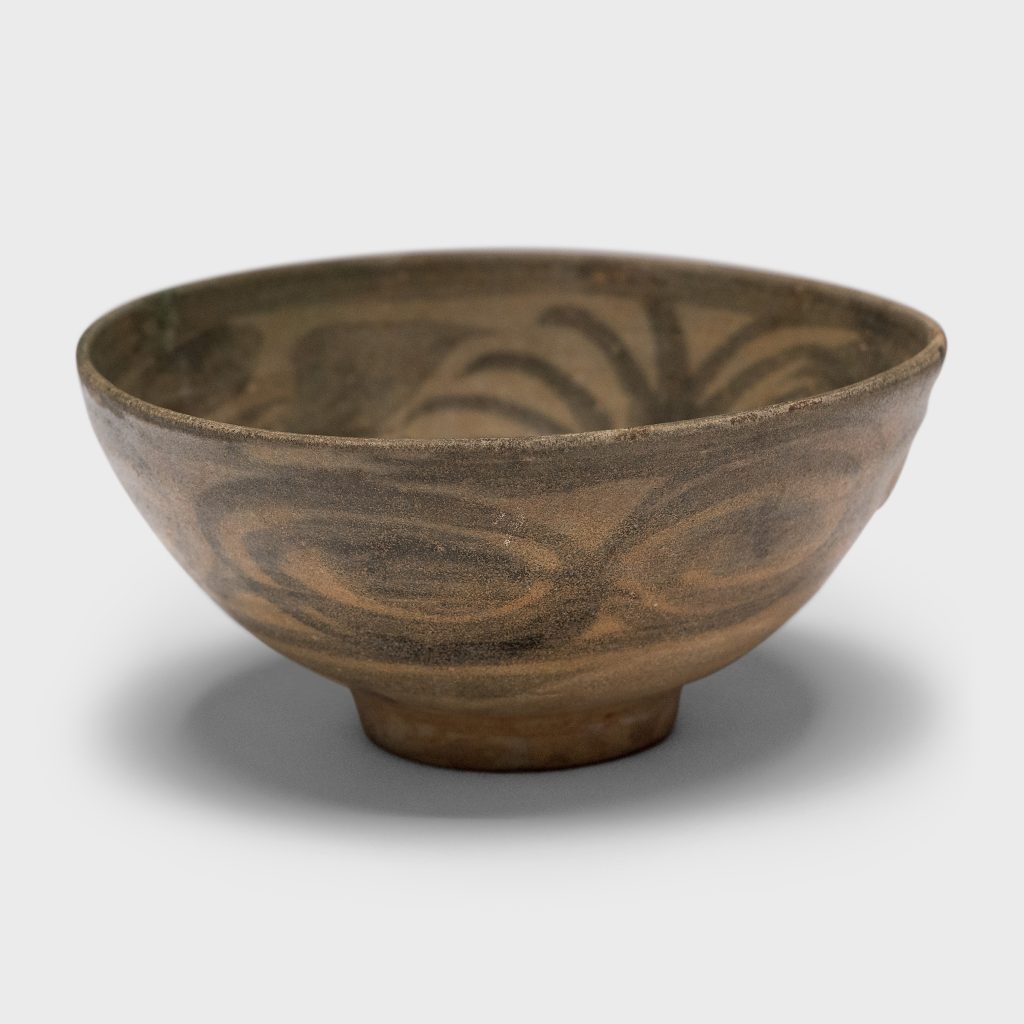
These folk vessels would have been fired in rural kilns, belonging to a category of Chinese ceramics known as “min yao” or “people’s ware.” Unlike the fine ceramics that were perfected in imperial kilns, min yao pottery was made for everyone, often sculpted from less refined materials and without care for exacting precision.
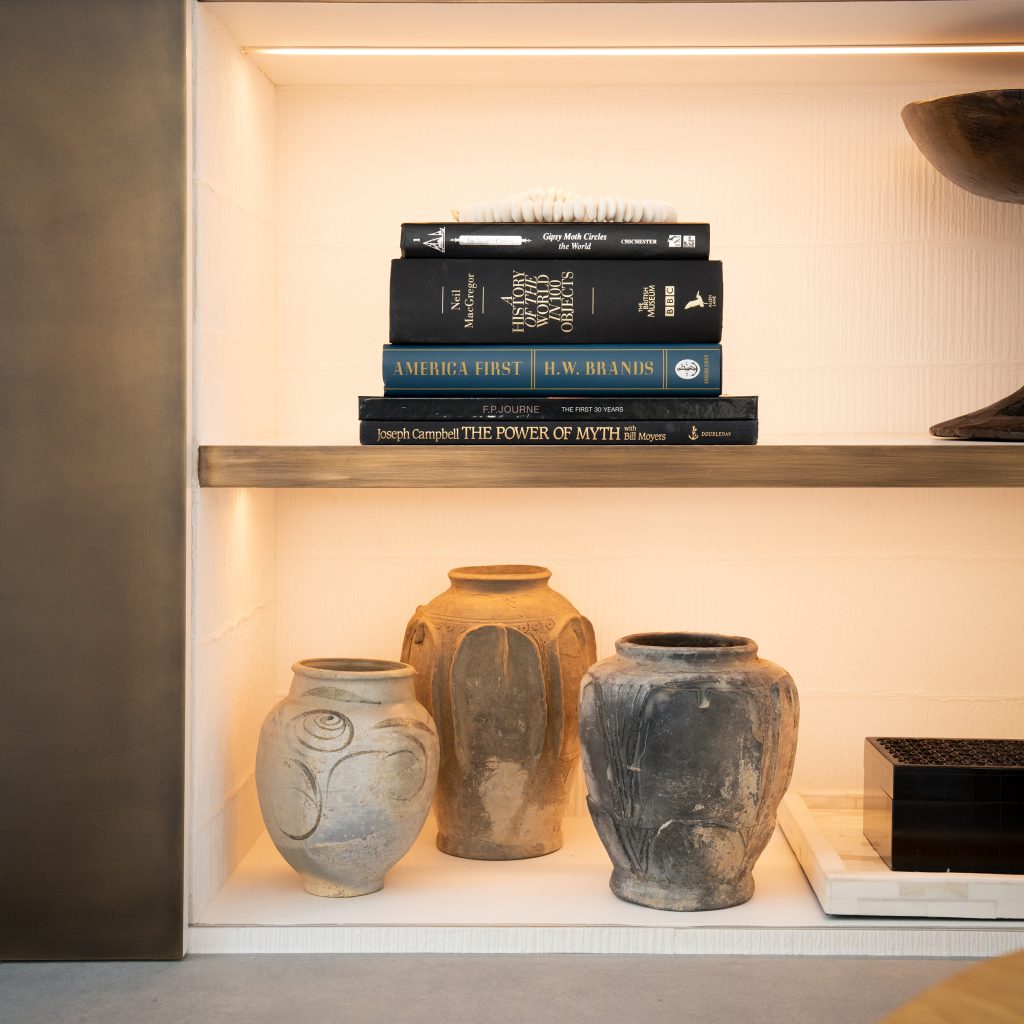
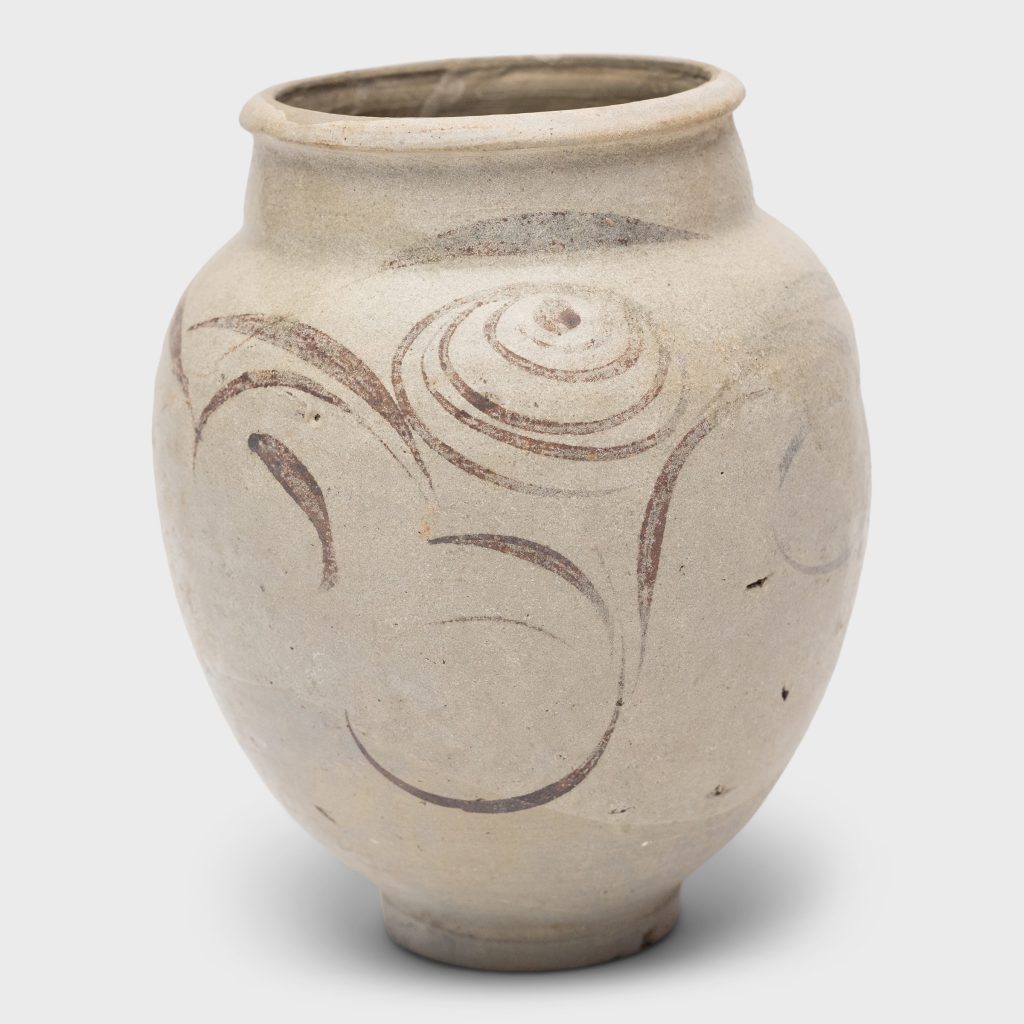
A motif transcending time and place, the horse eye spiral is instinctive and spontaneous – a natural gesture of the maker’s hand. Encapsulating the beauty & integrity of ancient craft, the horse eye is a reminder to cherish creativity and embrace imperfection.
Happy year of the fire horse! 🐴

Something catch your eye? 😉
Explore the entire collection at our Chicago gallery.
1740 W. Webster Ave, Chicago, IL
773.235.1188