Forms with Resonance: Garden Drum Stools
Perhaps the most recognizable form in Chinese furniture is the classic drum-form. Distinguished by its rounded shape and barrel-like swell, the Chinese drum stool could be found all throughout the traditional home – whether placed beside a table for a lively group gathering or tucked within a garden for a moment of quiet.
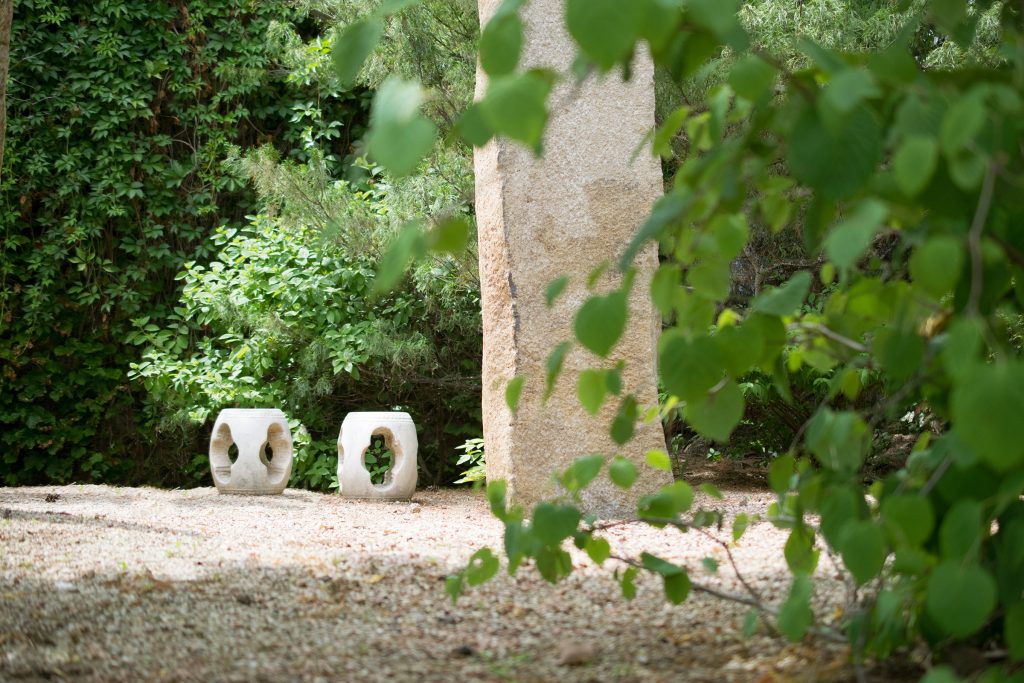
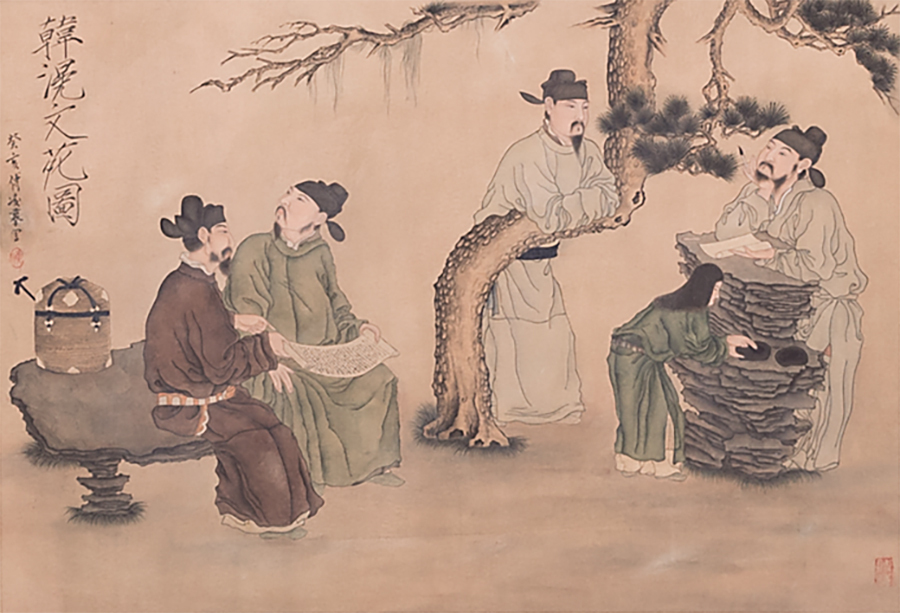
Drum stools were the earliest form of raised seating in China, born from the Buddhist tradition of using tree stumps and smooth rocks as natural outdoor seats. To take refuge from the hustle-and-bustle of urban life, scholar-officials and literati would withdraw to secluded mountain retreats or well-cultivated courtyard gardens.
In the natural world, they developed their inner sensibilities through meditation and quiet contemplation, or gathered to discuss the arts, play a game of weiqi or conduct tea ceremonies. Stools formed from natural elements or shaped from stone or porcelain provided the scholar with the perfect place to sit and ponder.
Before long, the drum stool found its way inside the home. By the Song dynasty (960-1279), rounded stools of wood and porcelain were favored as versatile seats that could be carried between dining halls, personal quarters and outdoor courtyards. To this day, the classic drum stool is ever popular, found in homes worldwide as an easy side table or garden seat, indoors and out.
Forms with Resonance
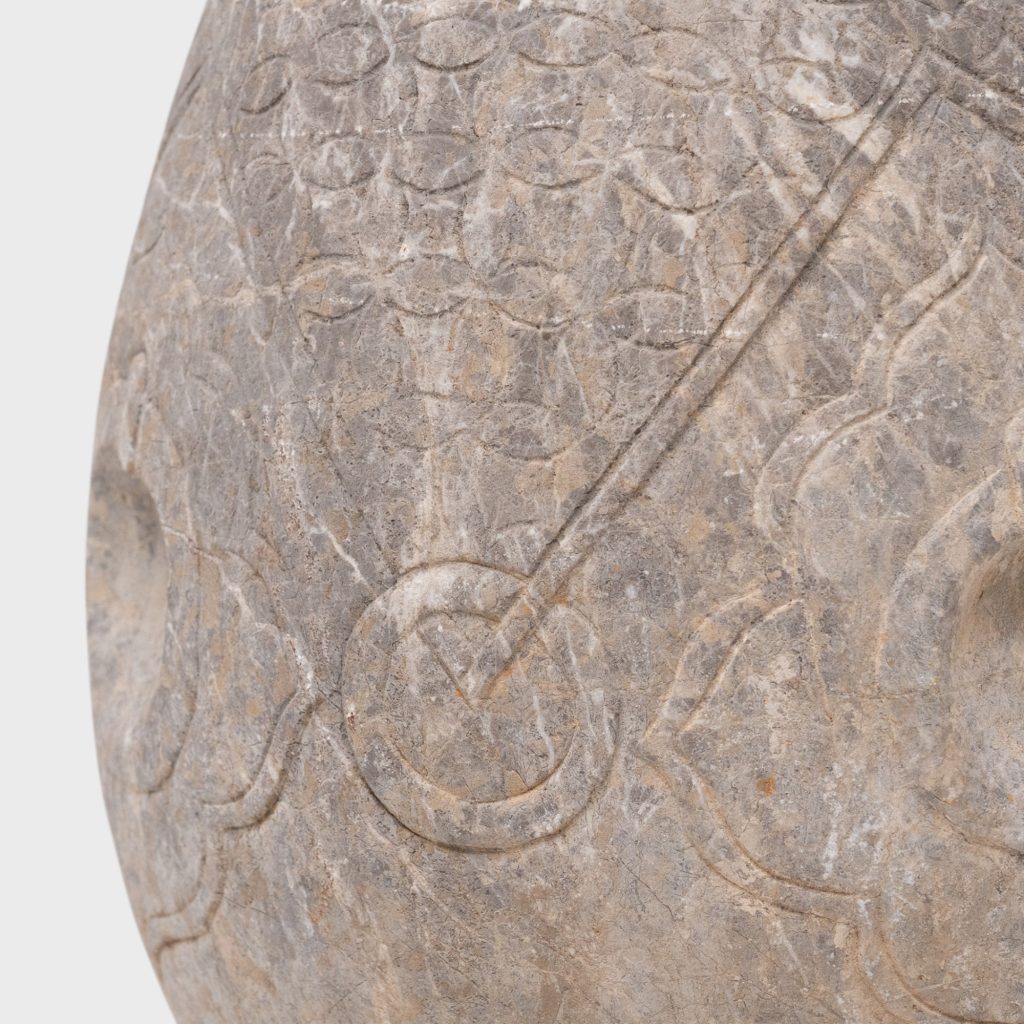
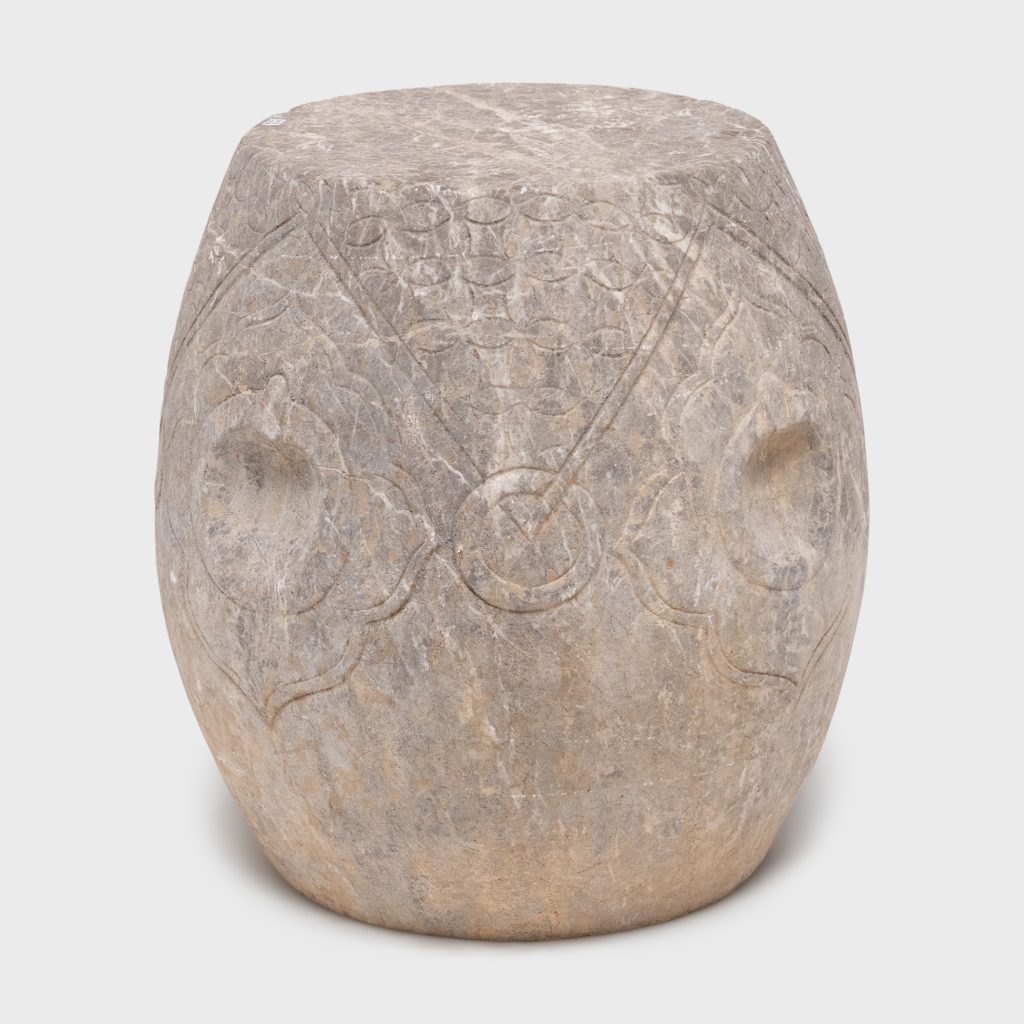
As the name suggests, drum stools are traditionally designed to resemble the instrument. The sides curve outwards in the shape of a barrel and a pattern of rounded bosses encircle the seat and base, imitating the nails used to hold the drum skin in place. Sometimes, on stone drums, faux handles will be carved onto the sides in low relief to mimic the brass rungs that suspend an actual drum on its stand.
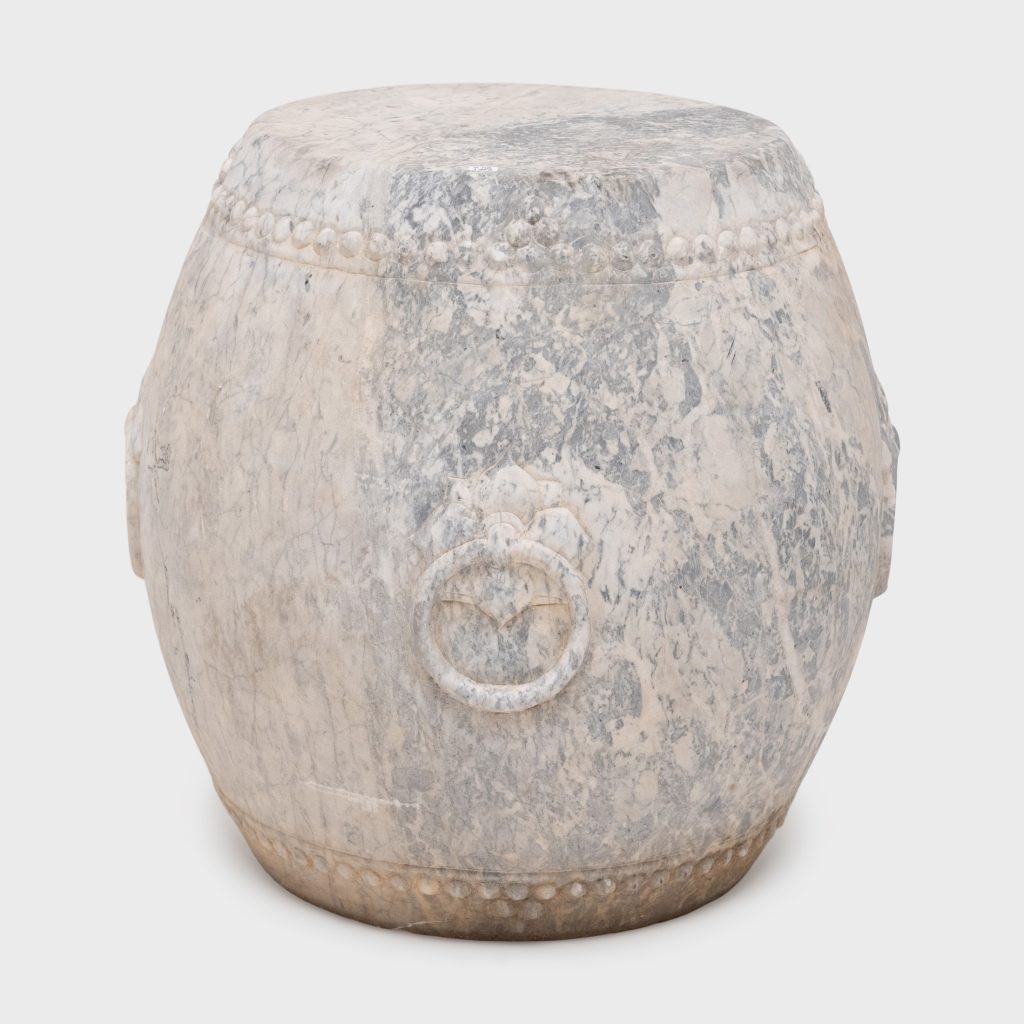
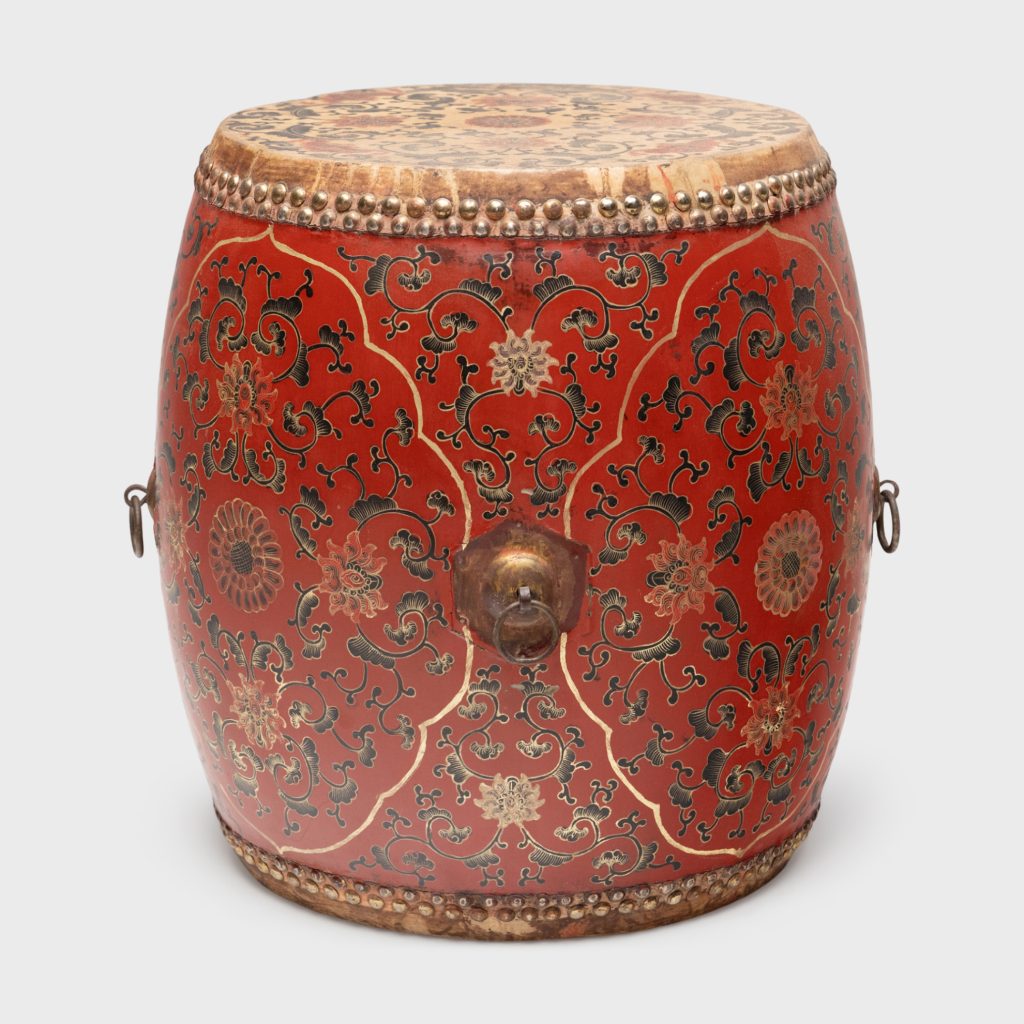
Drum stools are known as gǔdèng (鼓凳), zuòdūn (坐墩) or xiùdūn (绣墩). The latter literally means “embroidery stool,” and refers to the old practice of covering the seat with an embroidered textile to soften the cold, hard surface of a porcelain stool. In honor of this custom, drum stools are sometimes decorated to look as though draped with an embroidered cloth weighted with coins.
Of Wood
Because stools made of wood were lightweight and portable, these were most common for indoor use. The simplest forms were shaped from solid tree trunks and the finest were crafted with traditional carpentry methods and decorated with carvings.
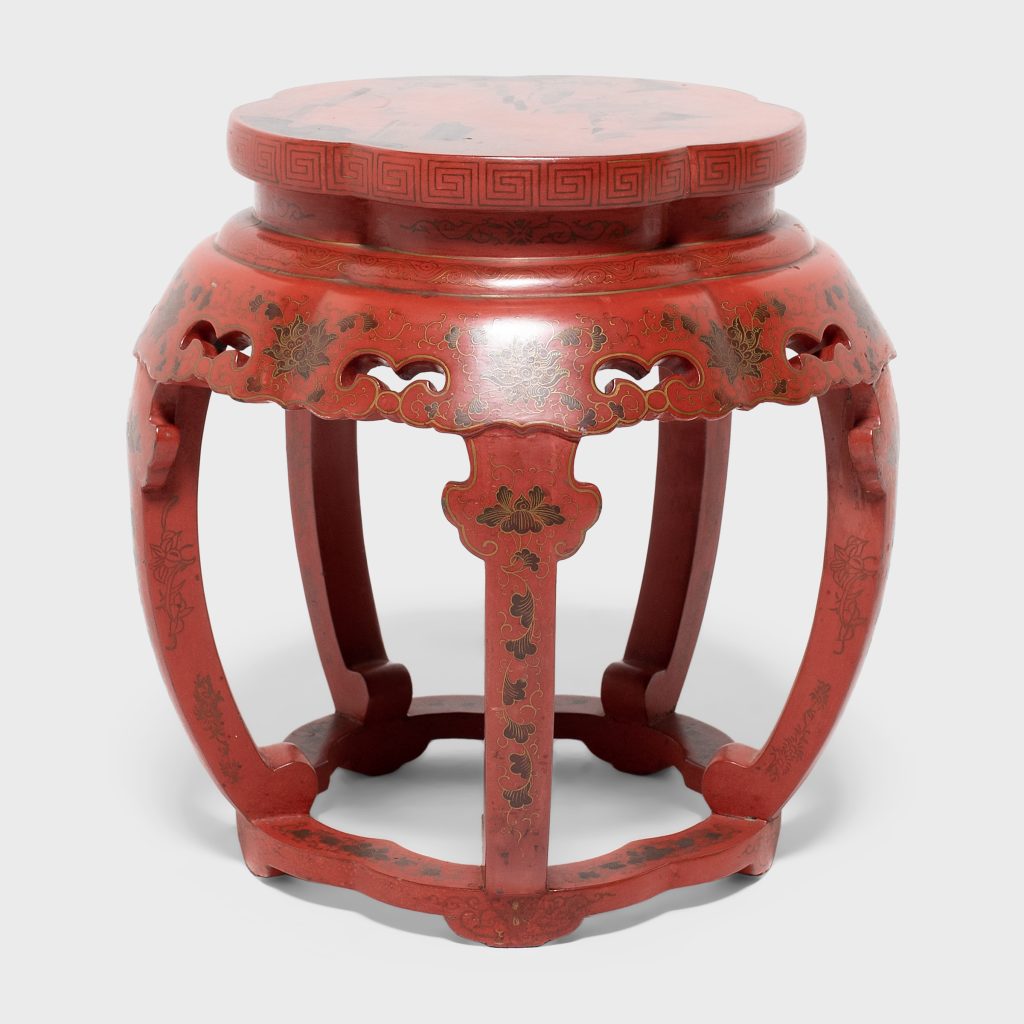
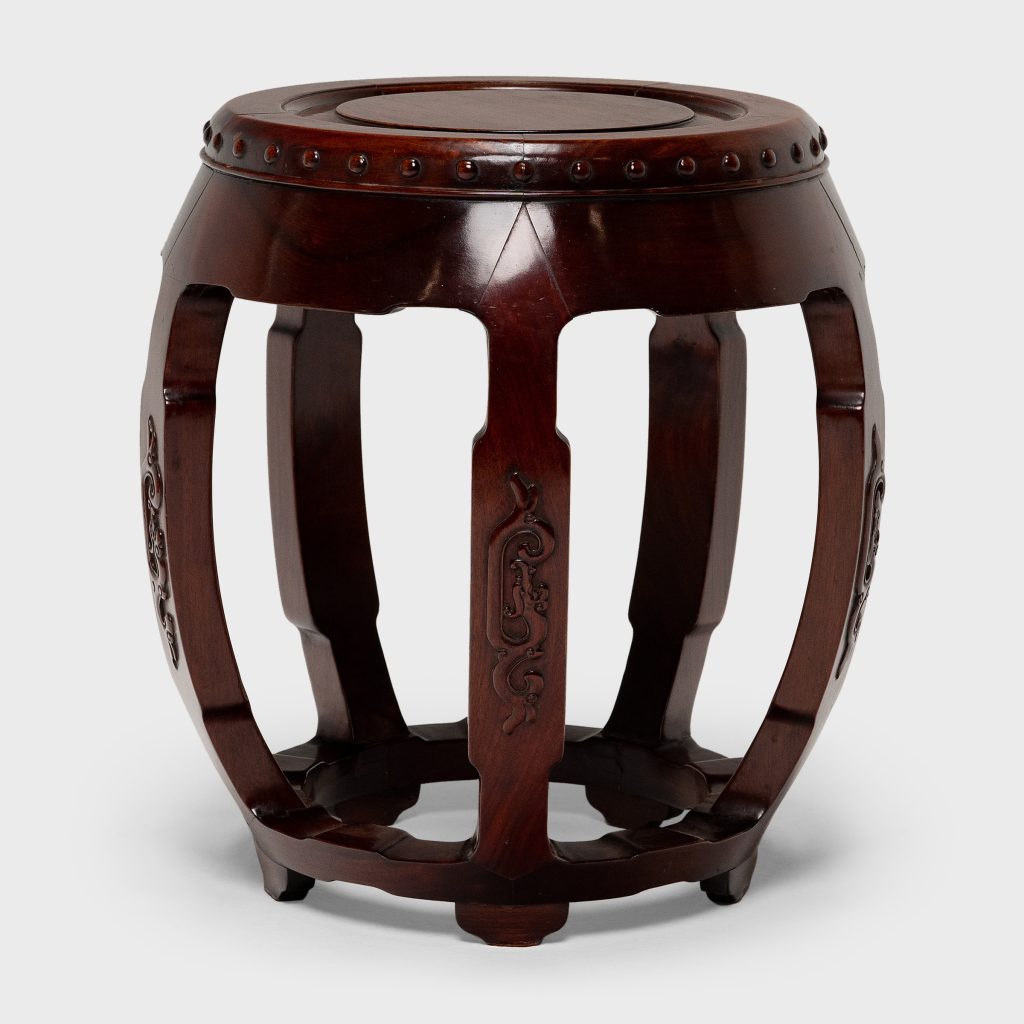
These finely worked stools borrowed from familiar forms. One common design features cabriole legs and a waisted apron, combining the classic drum shape with the curving lines of tall incense tables. Another features large oval cutouts along the sides – a reference to early Chinese furniture made of bent cane strips or bamboo.
Of Stone
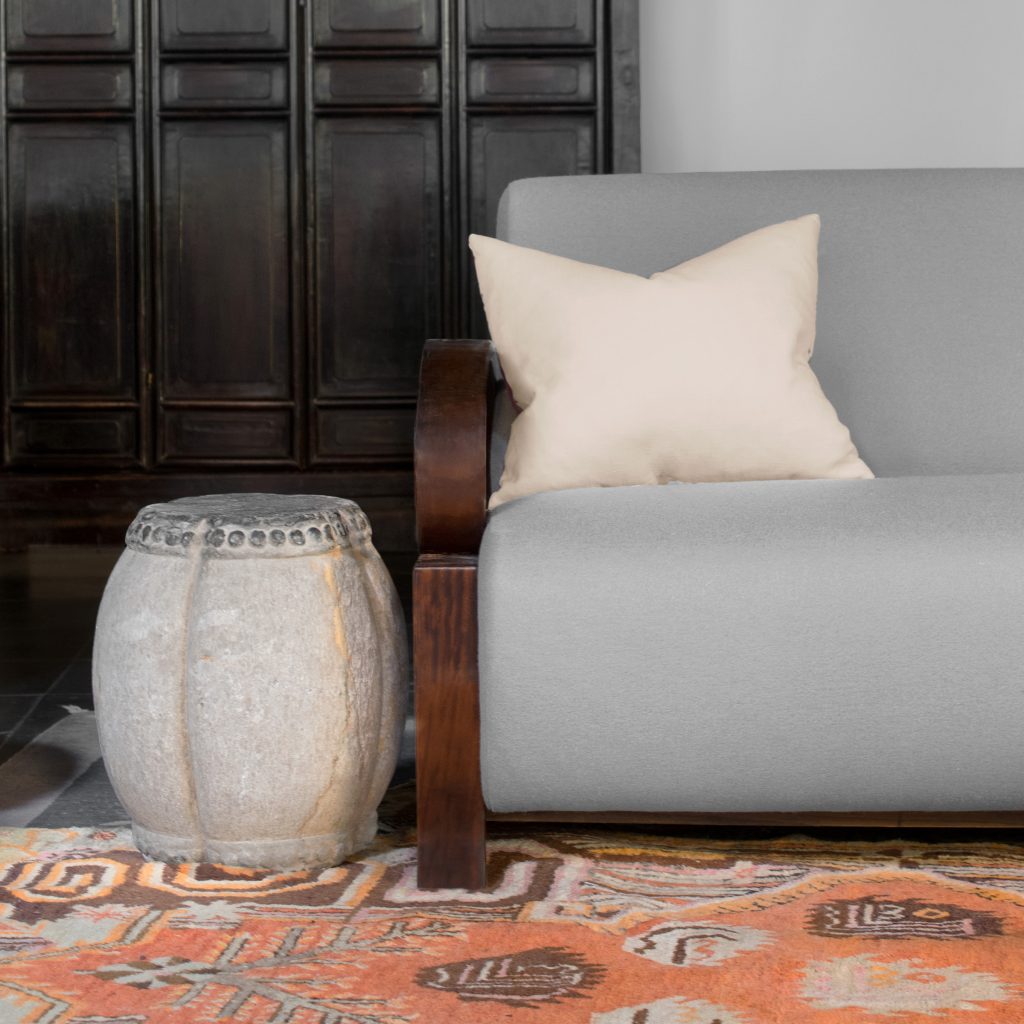
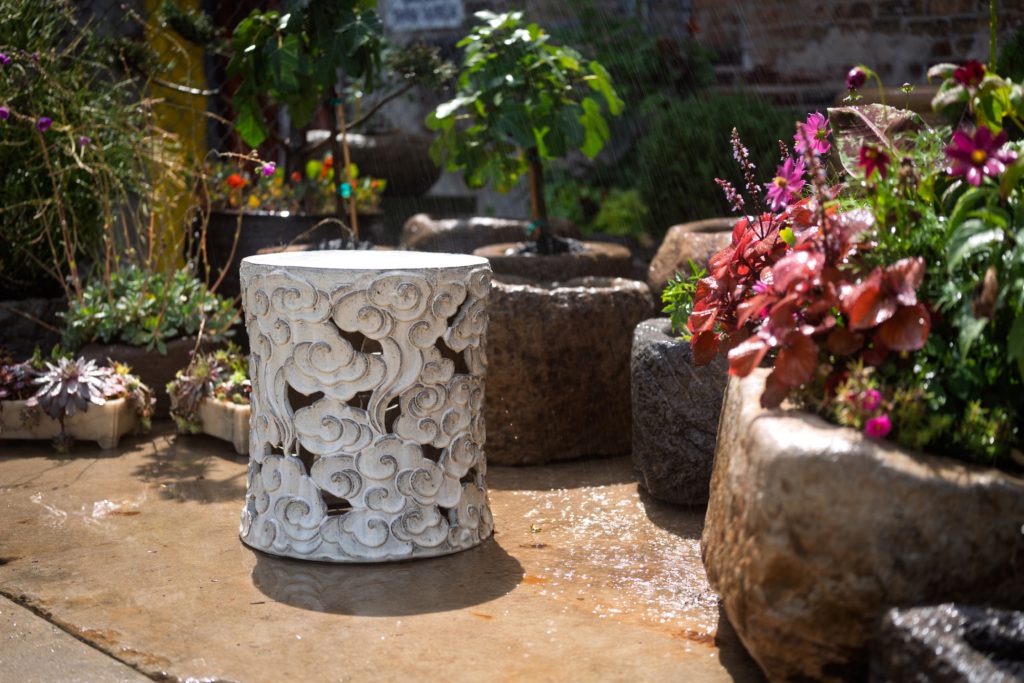
Stone, on the other hand, was the preferred material for drum stools placed in the garden or courtyard. Embodying virtues of strength and resilience, stone drums and sculptural rocks are an integral element of the balanced Chinese garden and bring hard contrast to plants, water and earth. The density and heft of solid stone make such stools a permanent fixture of the garden, tucked into a tranquil corner surrounded by trees and foliage.
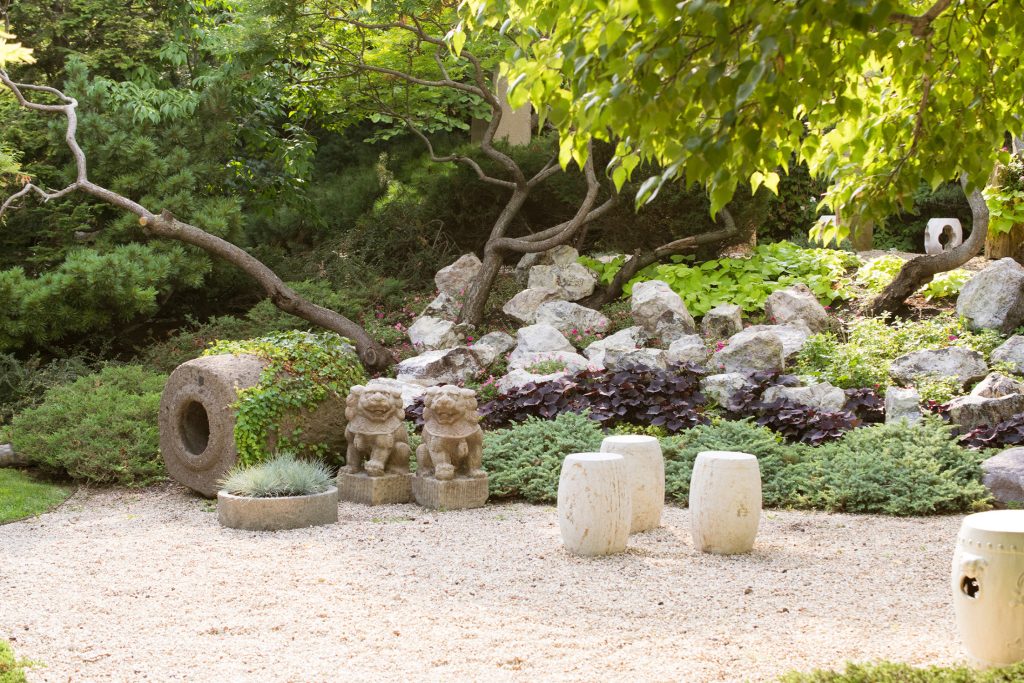
Without a finish of paint or pigment, stone drums rely on masterful carving for their decorative appeal. Some are carved in low relief with swirling flowers and auspicious symbols, while others are minimally worked with elegant simplicity. Our favorites are stone stools from the Ming and Qing dynasties, now beautifully weathered from years in the garden.
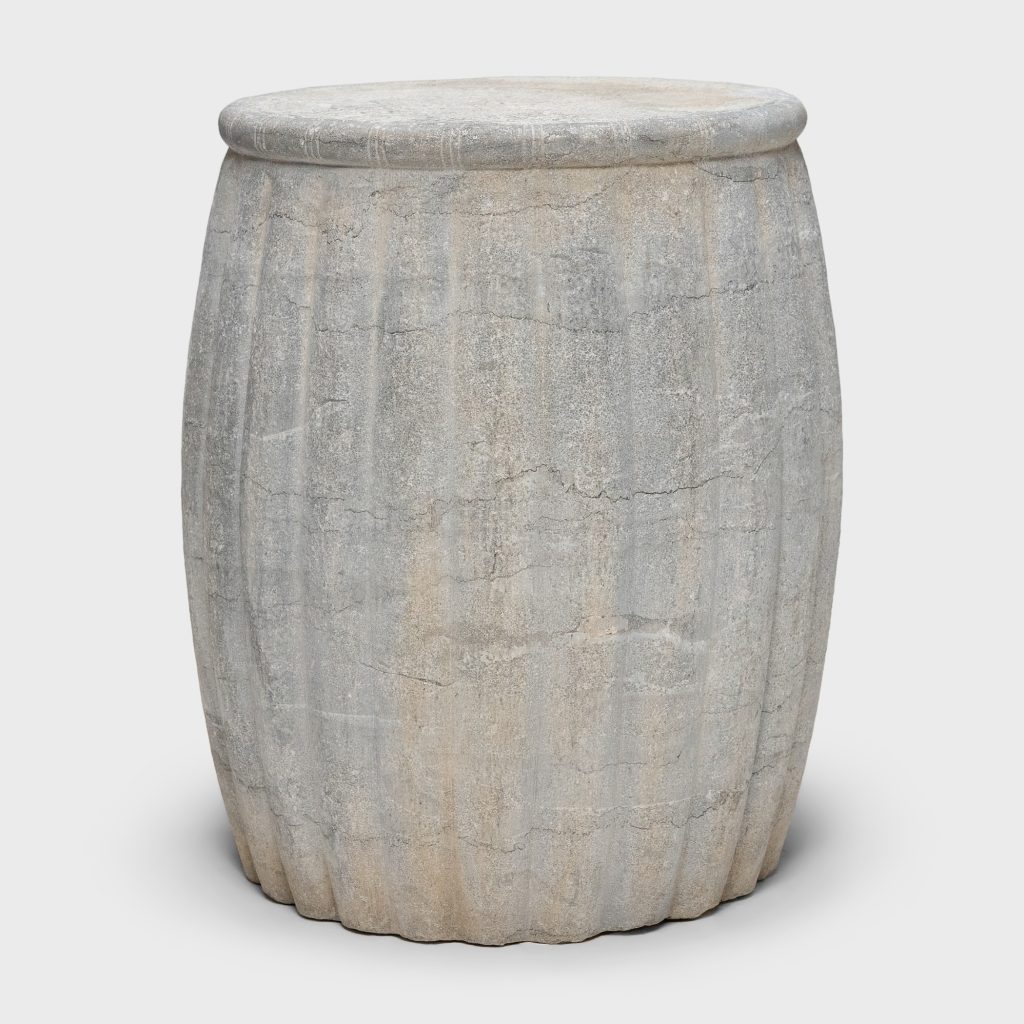
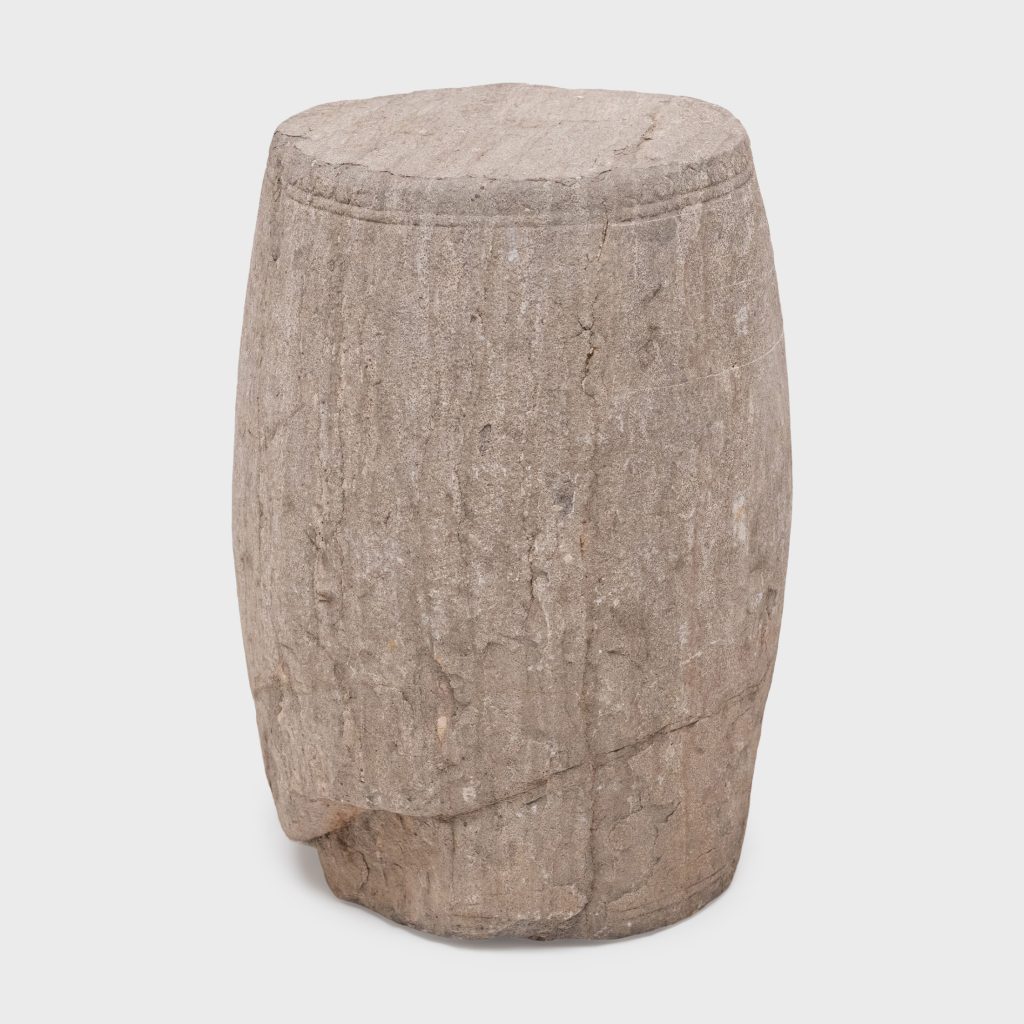
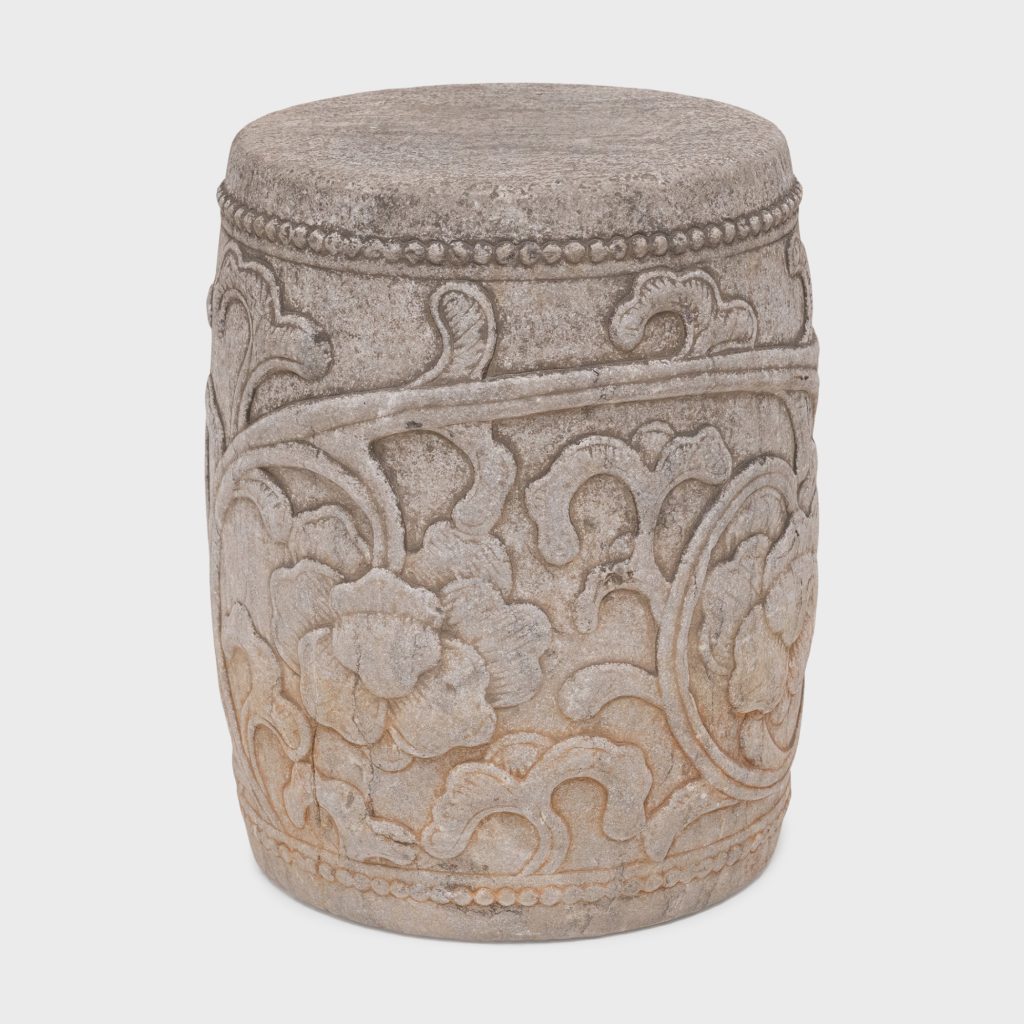
Beyond the garden, stone drums add depth to home interiors as end tables or pedestals. The raw texture of stone feels organic and intentional when placed beside the soft upholstery of a sofa or armchair.
Of Clay
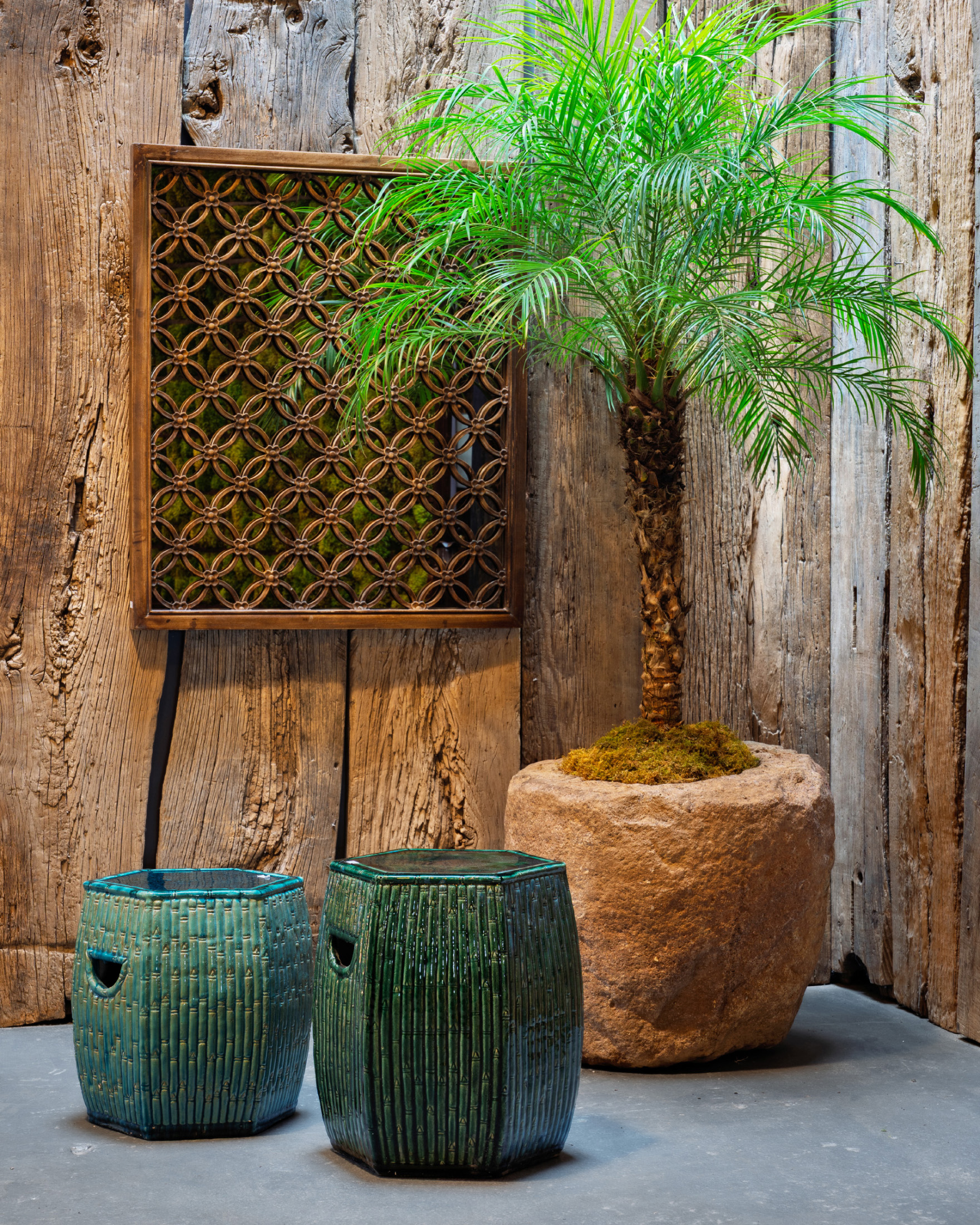
Ceramic drum stools offered the best of both – durable enough to withstand the elements, yet able to be richly decorated in line with fine furnishings. Classic novels and woodblock prints tell us that porcelain drum stools were used by the well-to-do and craftsmen alike, and were even included in a traditional lady’s dowry.
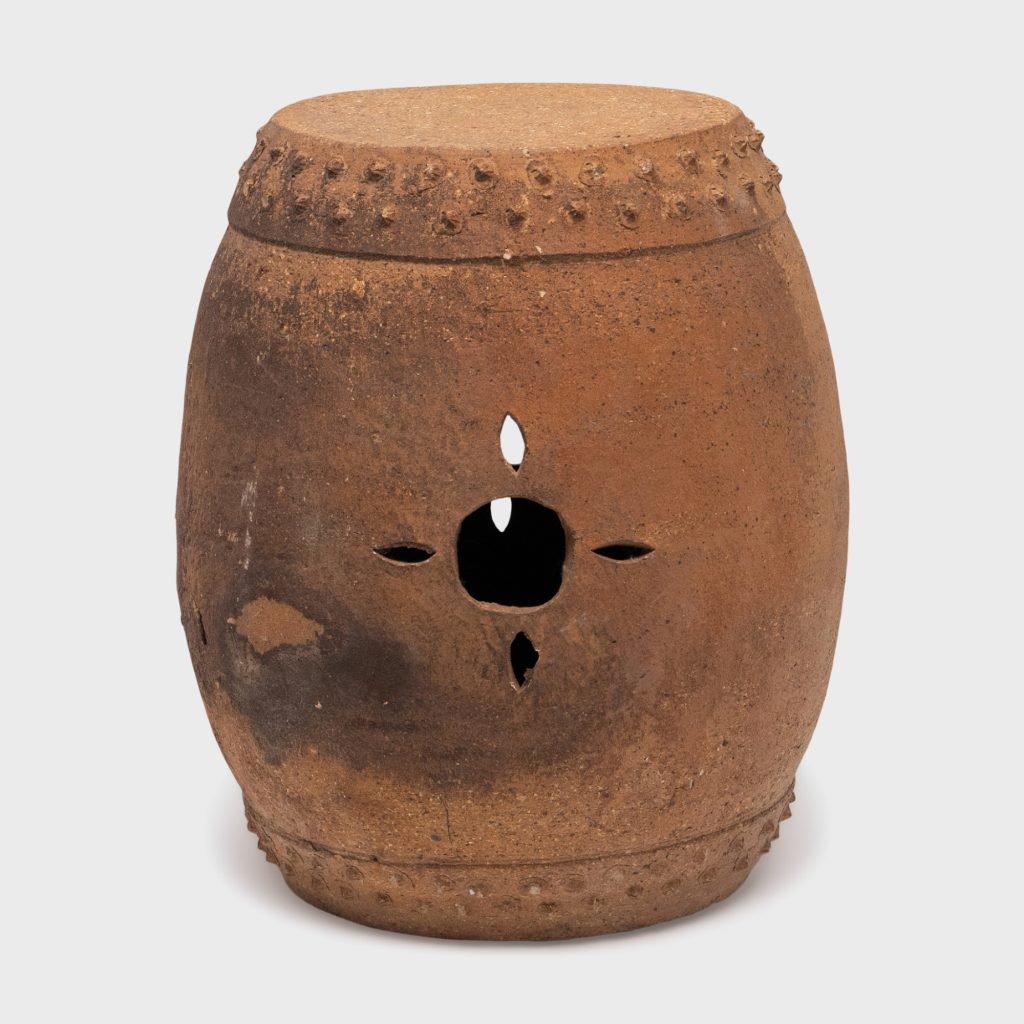
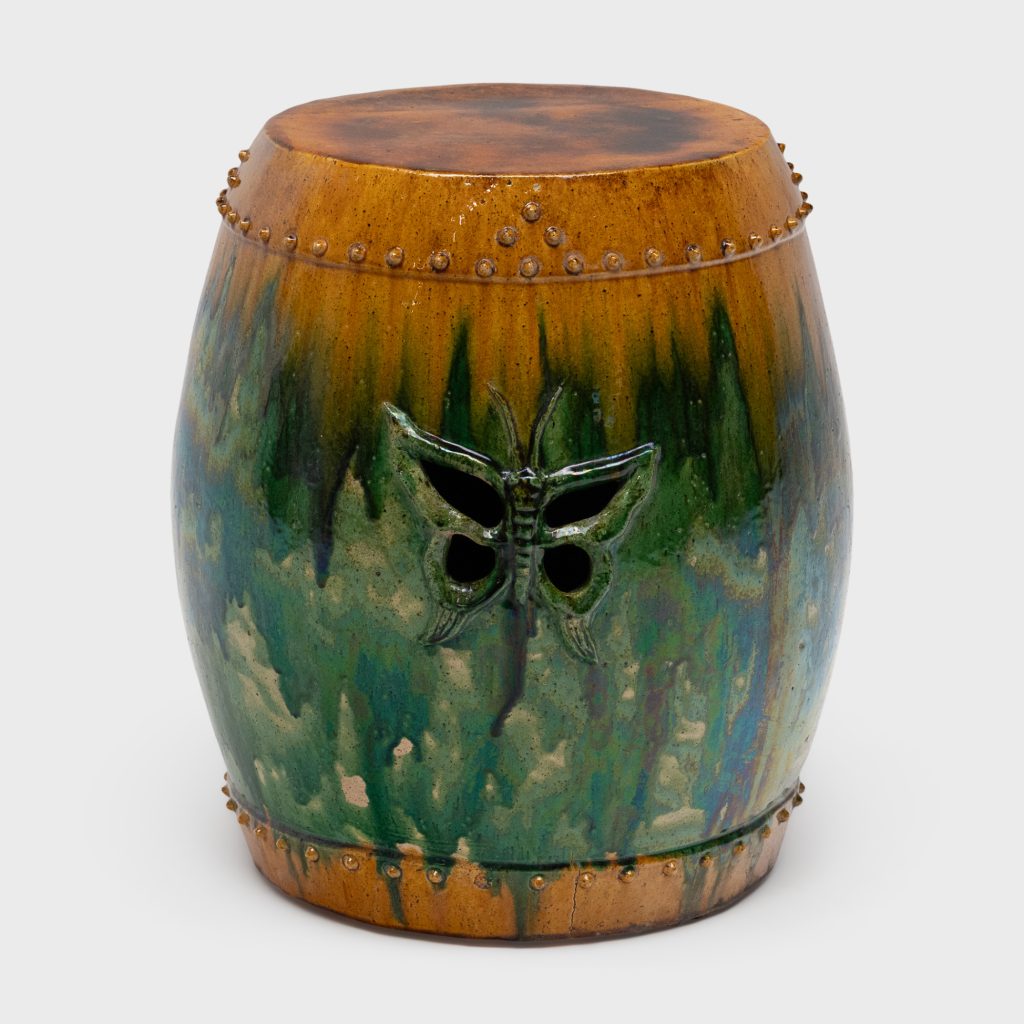
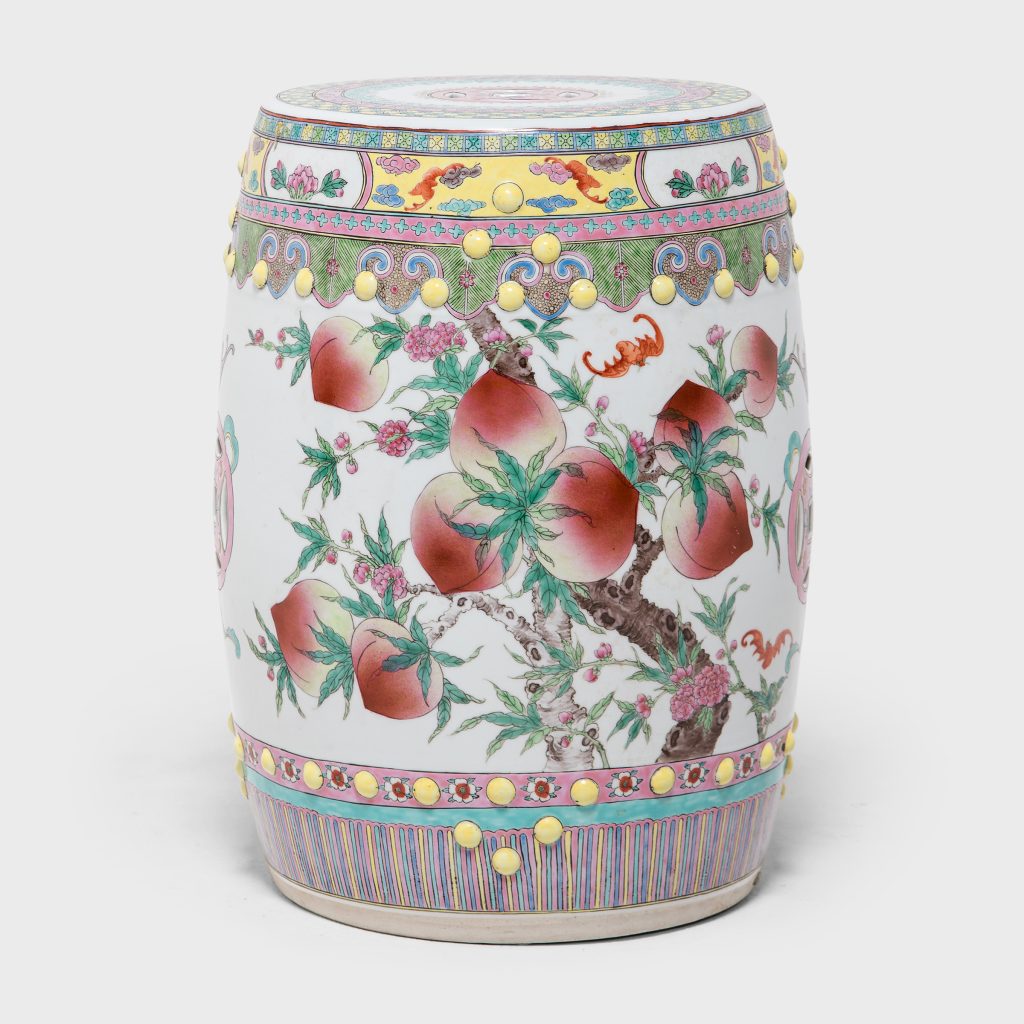
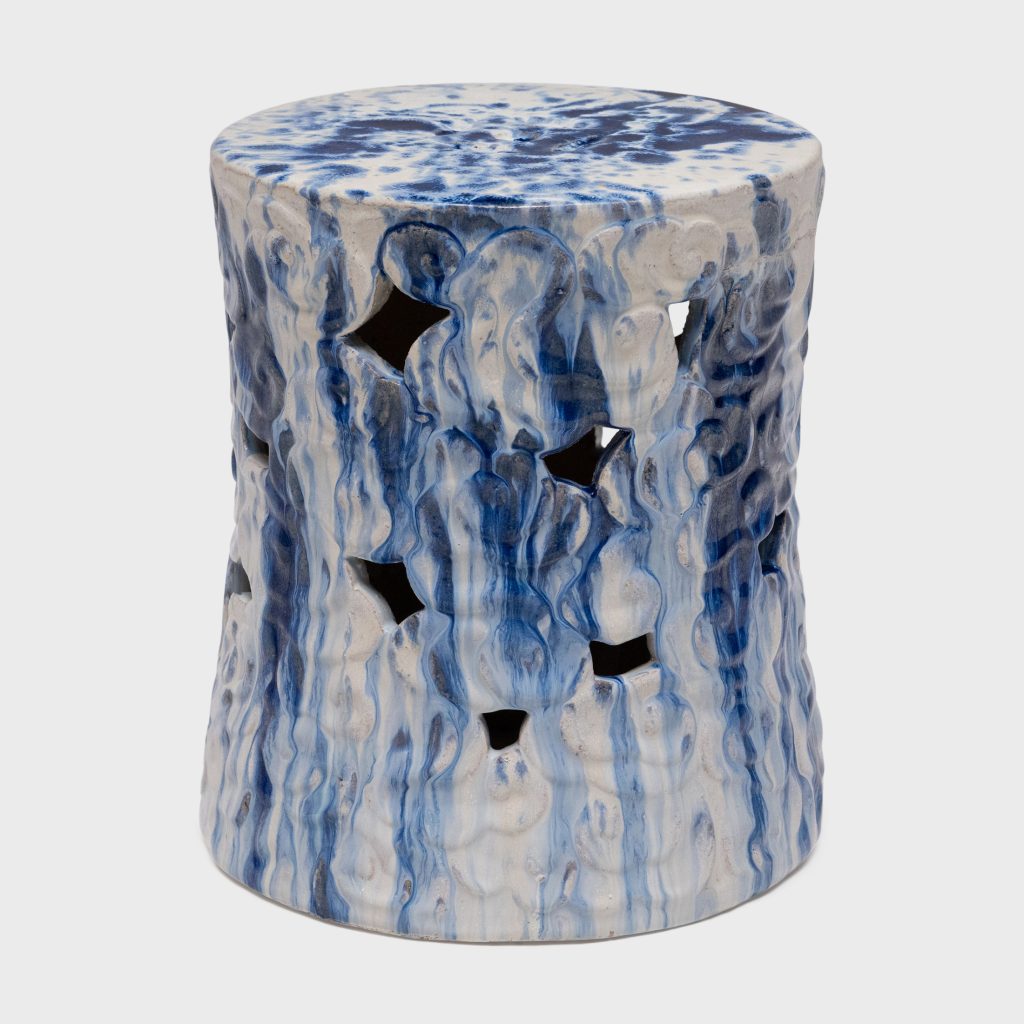
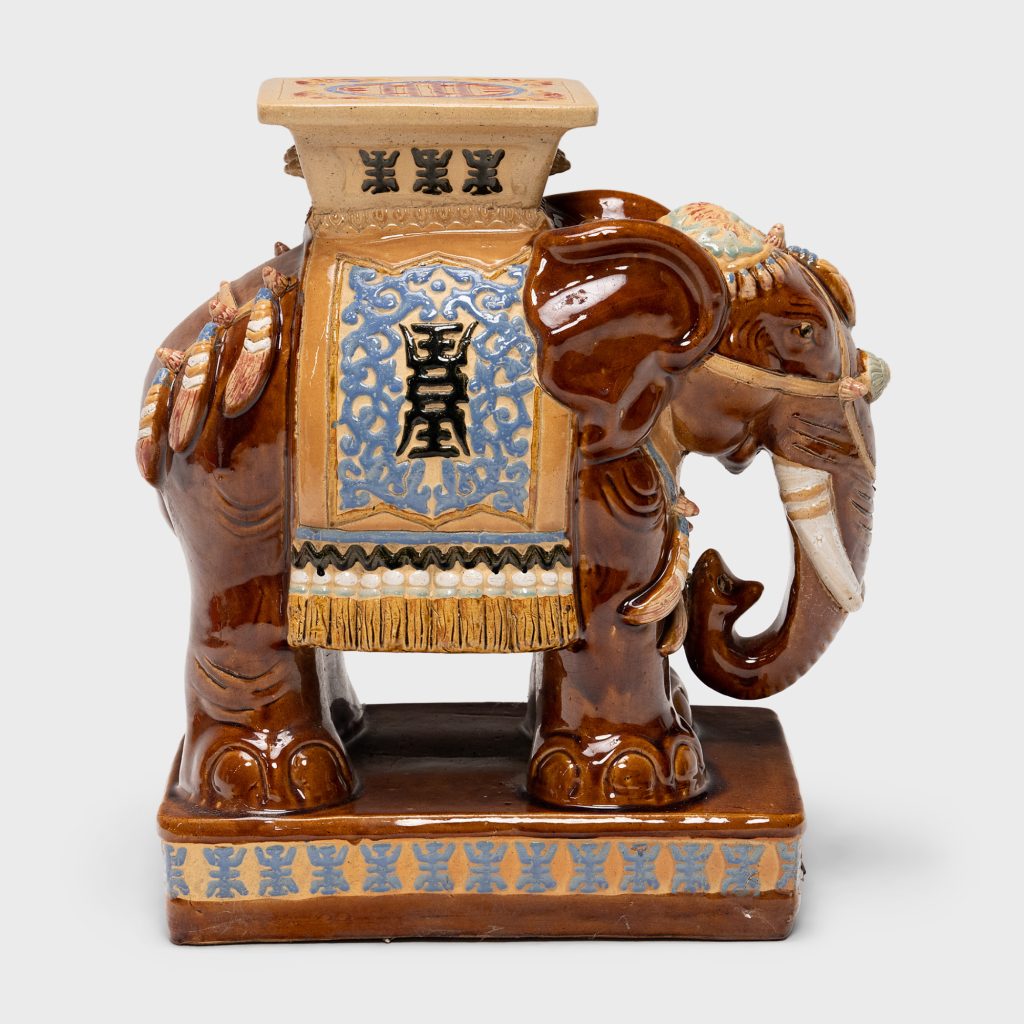
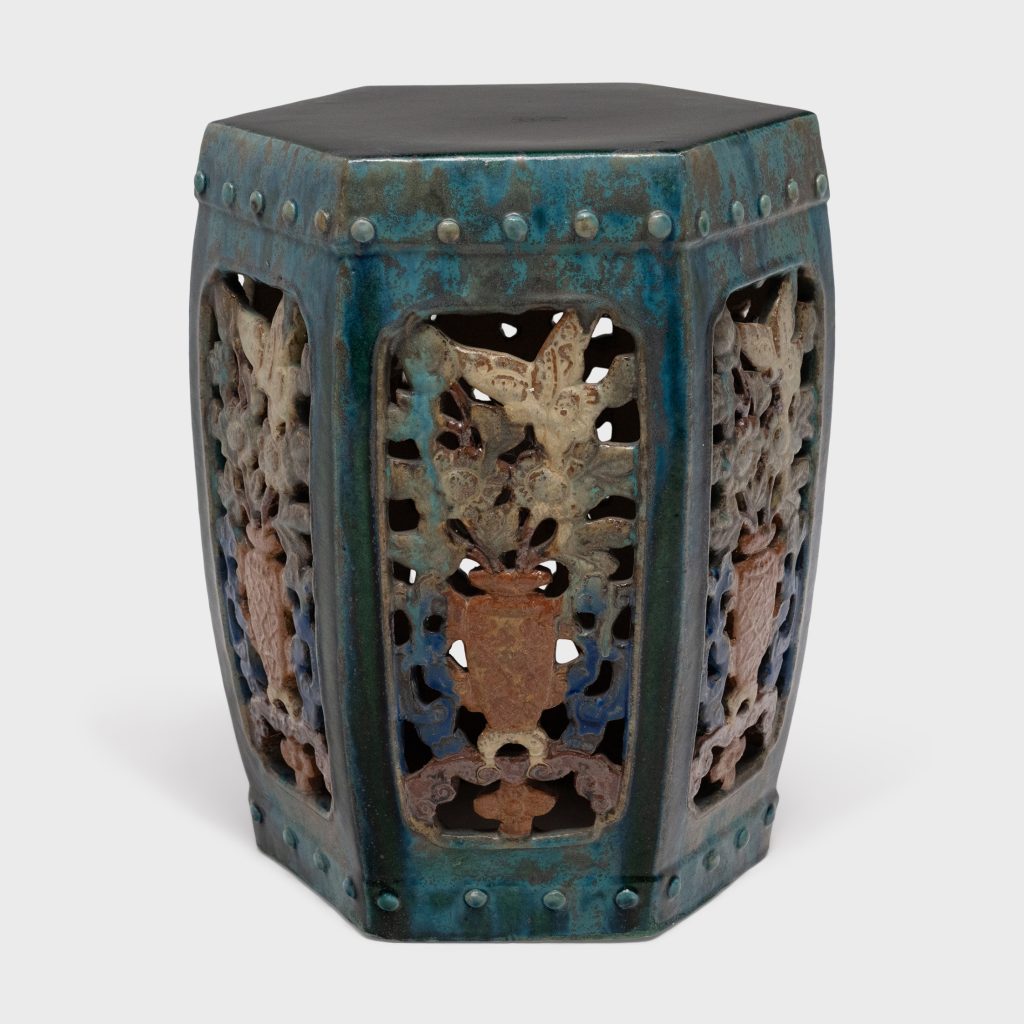
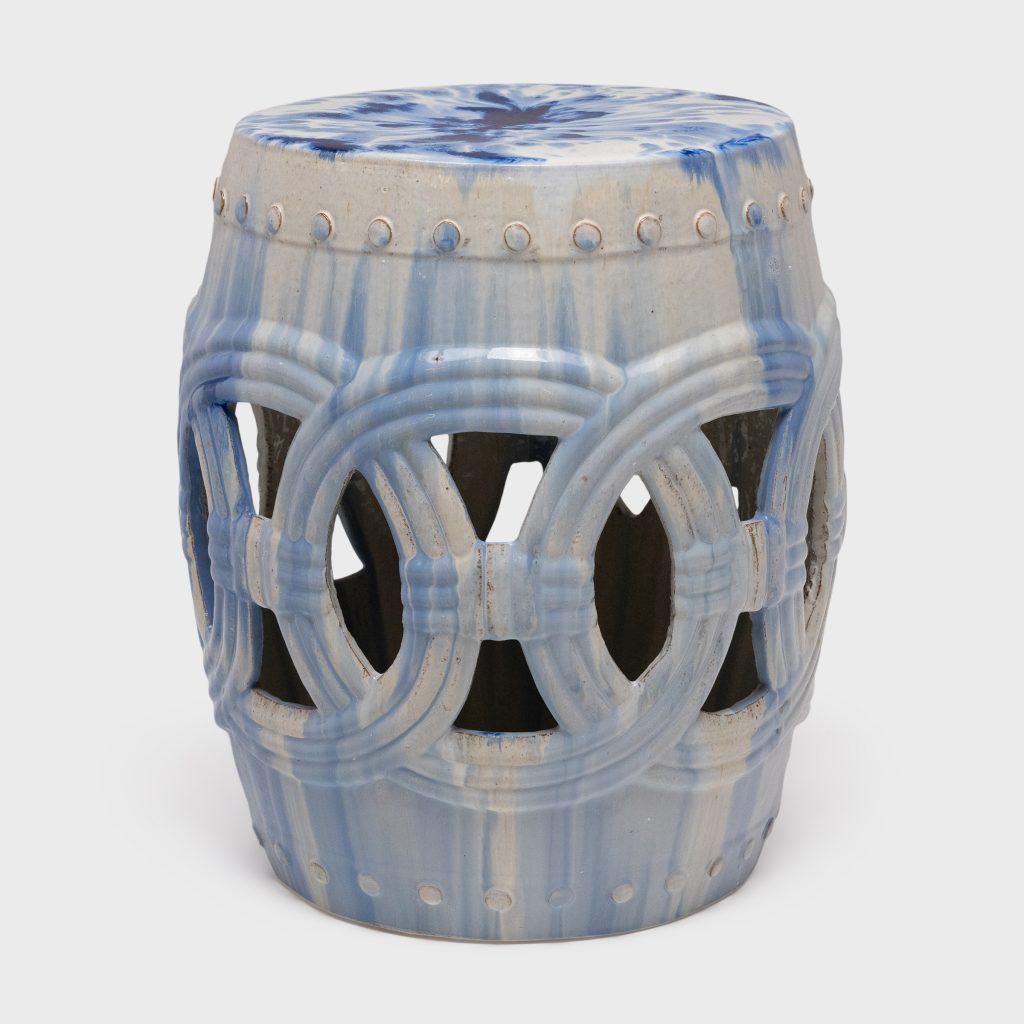
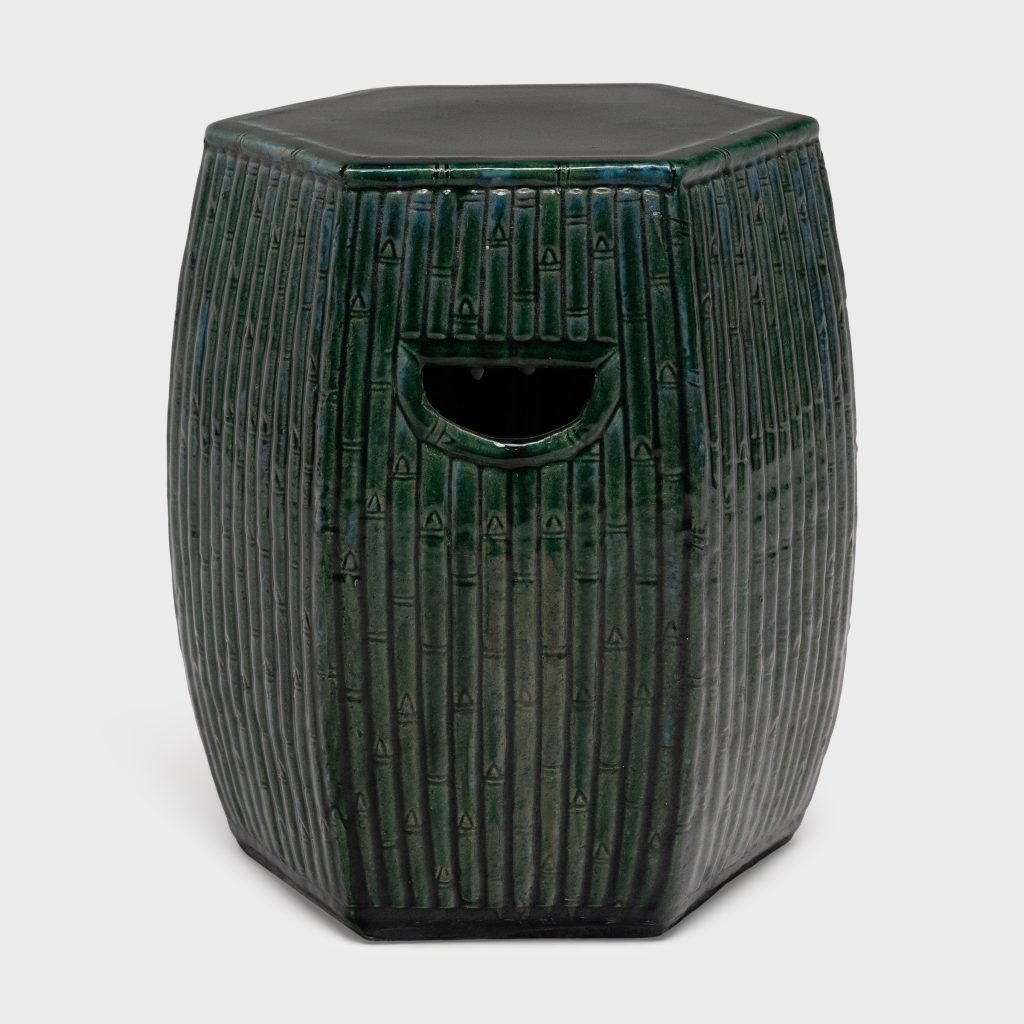
Given the extensive history of Chinese pottery, it’s no surprise that ceramic garden drum stools have the most variety in form and embellishment. The glaze alone is an opportunity for creativity – whether brushed with blue-and-white underglaze, painted with famille rose enamels, splashed with sancai colors or cloaked in a monochrome finish.
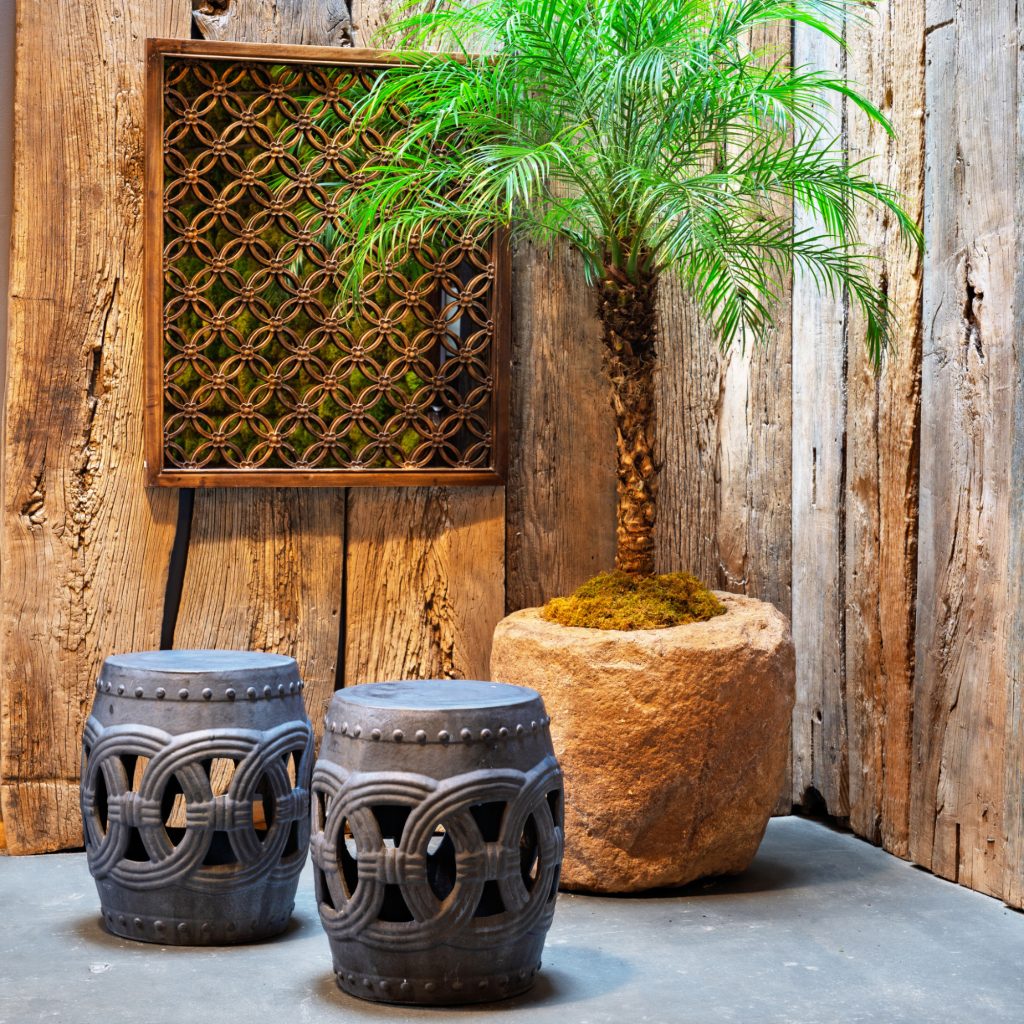
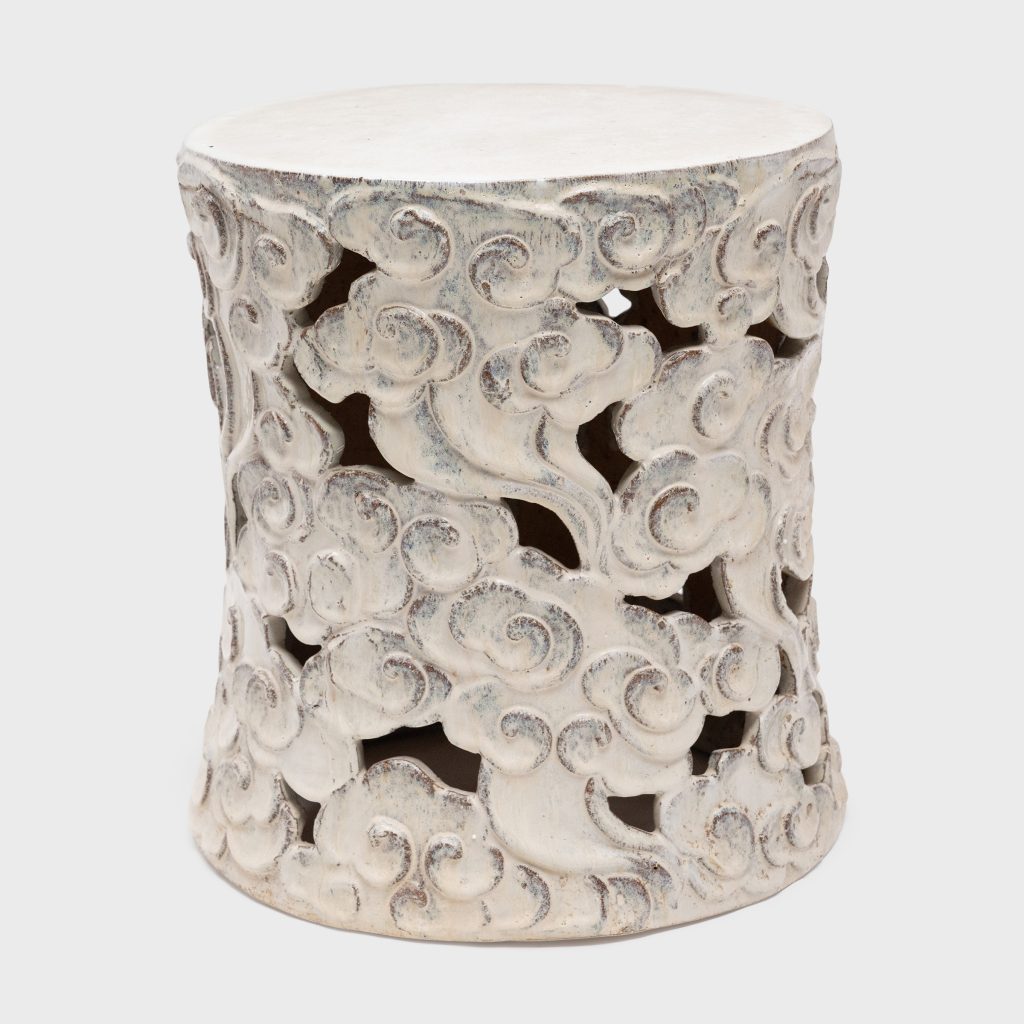
Ceramic stools could be further textured with low relief carvings, pierced side panels and coin-shaped cutouts. Every design decision is layered with symbolism – such as coins for wealth, vases for peace, fu lions for protection or clouds for the promise of good things to come.
Indoors or Out
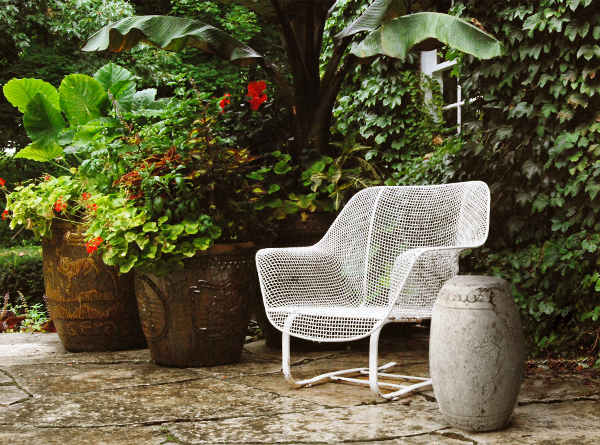
At PAGODA RED, we love mixing a classic Chinese garden stool into every space. Placed beside a sofa, a drum of stone or wood is reimagined as a minimalist end table, while outdoors on the patio, a glazed drum becomes a weather-proof garden table, accent stool or plant stand. Small drums are the perfect side table for a high-rise balcony, whereas monumental columns provide a strong anchor for large gardens & sunny verandas.
SHOP THE STORY
Discover Garden Seating & Tables

Explore the entire collection at our Chicago gallery.
1740 W. Webster Ave, Chicago, IL
773.235.1188