Personal Altar: A Place to Pause
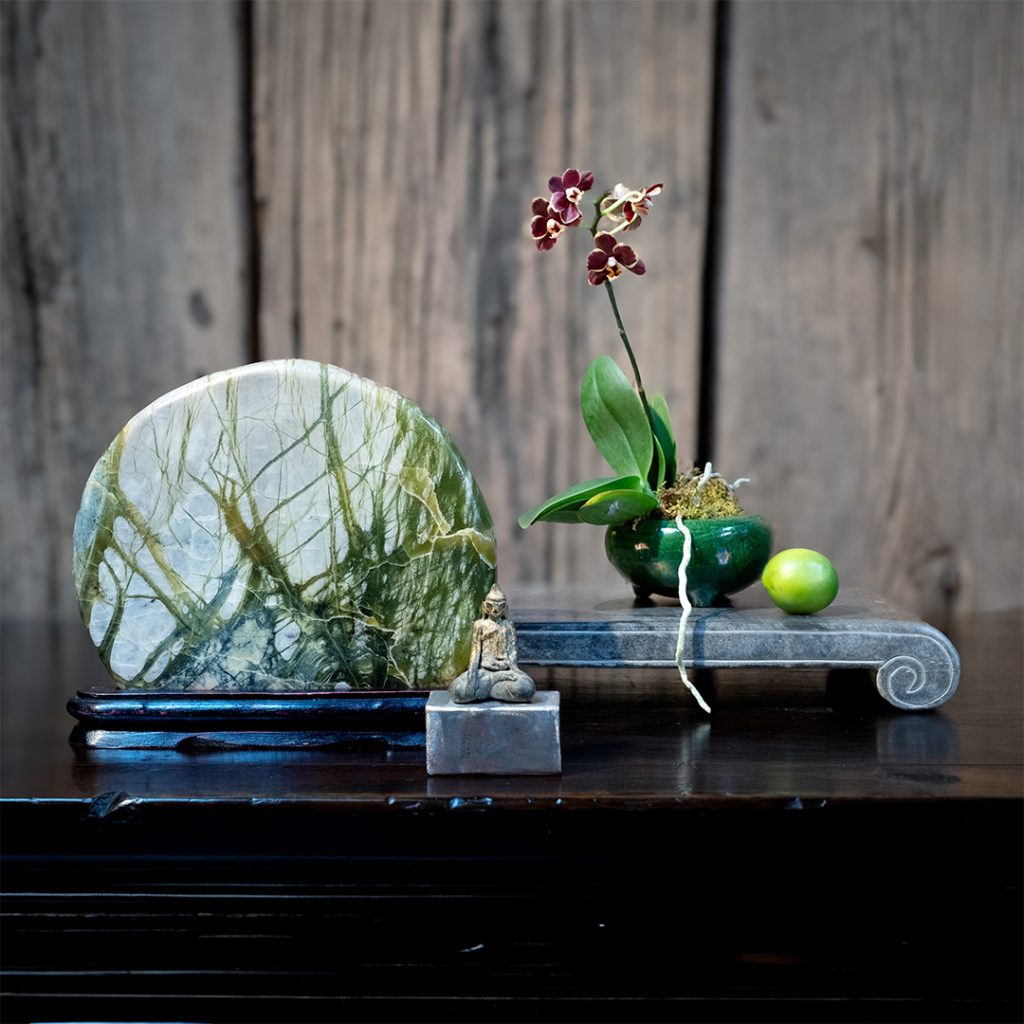
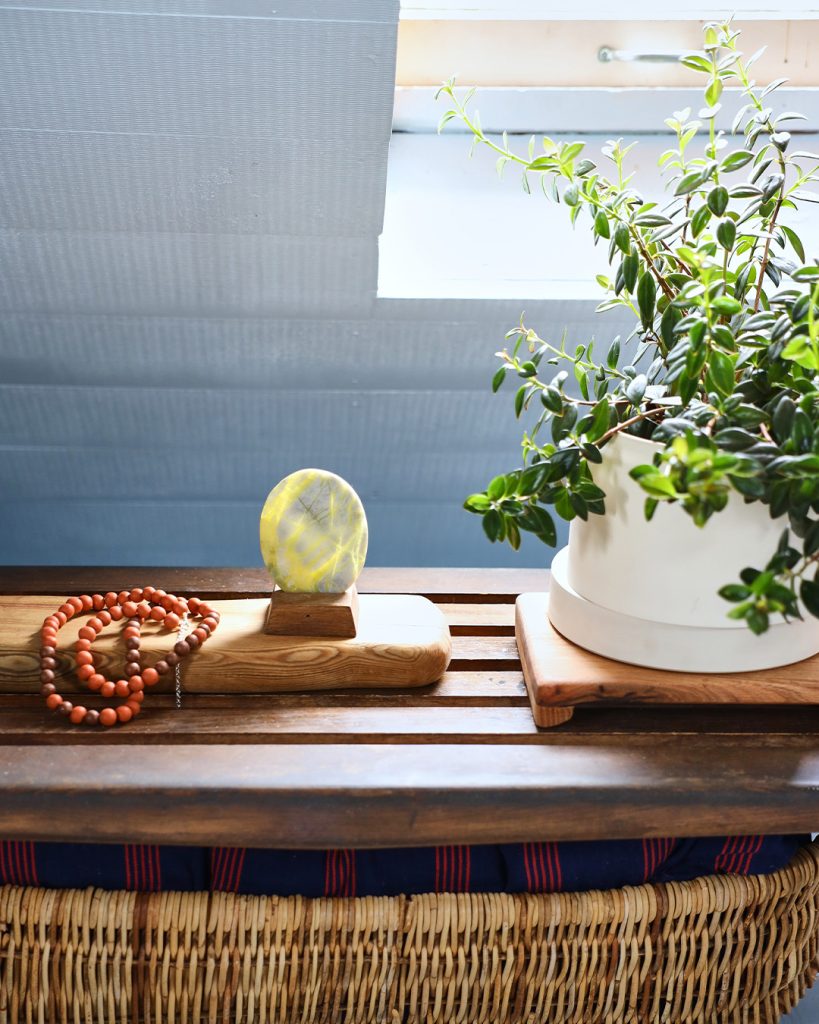
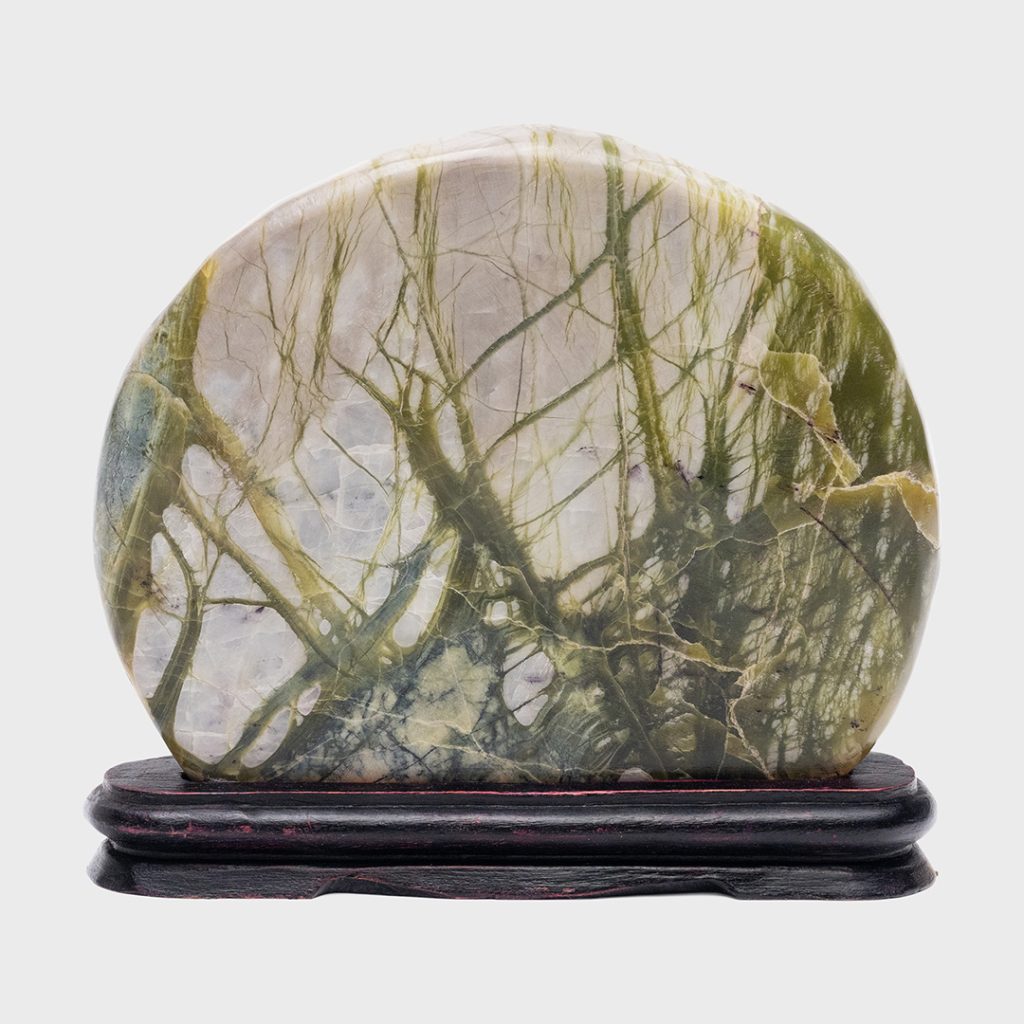
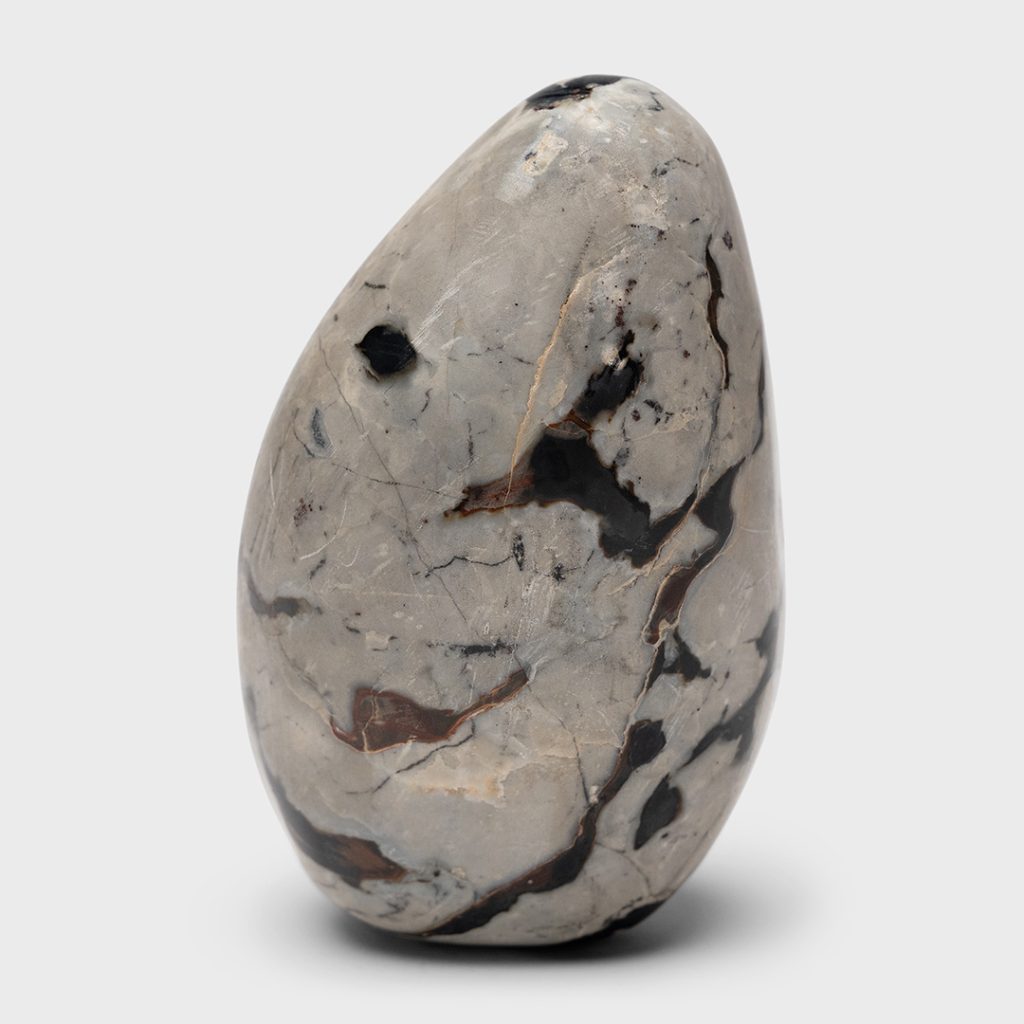
“Beloved objects can be grounding. I have a PAGODA RED meditation stone that I keep in my studio near a window. When the stone’s veining is illuminated by sunlight, it feels like a moment of magic.” – Sarah Coffey, Clearer Collective
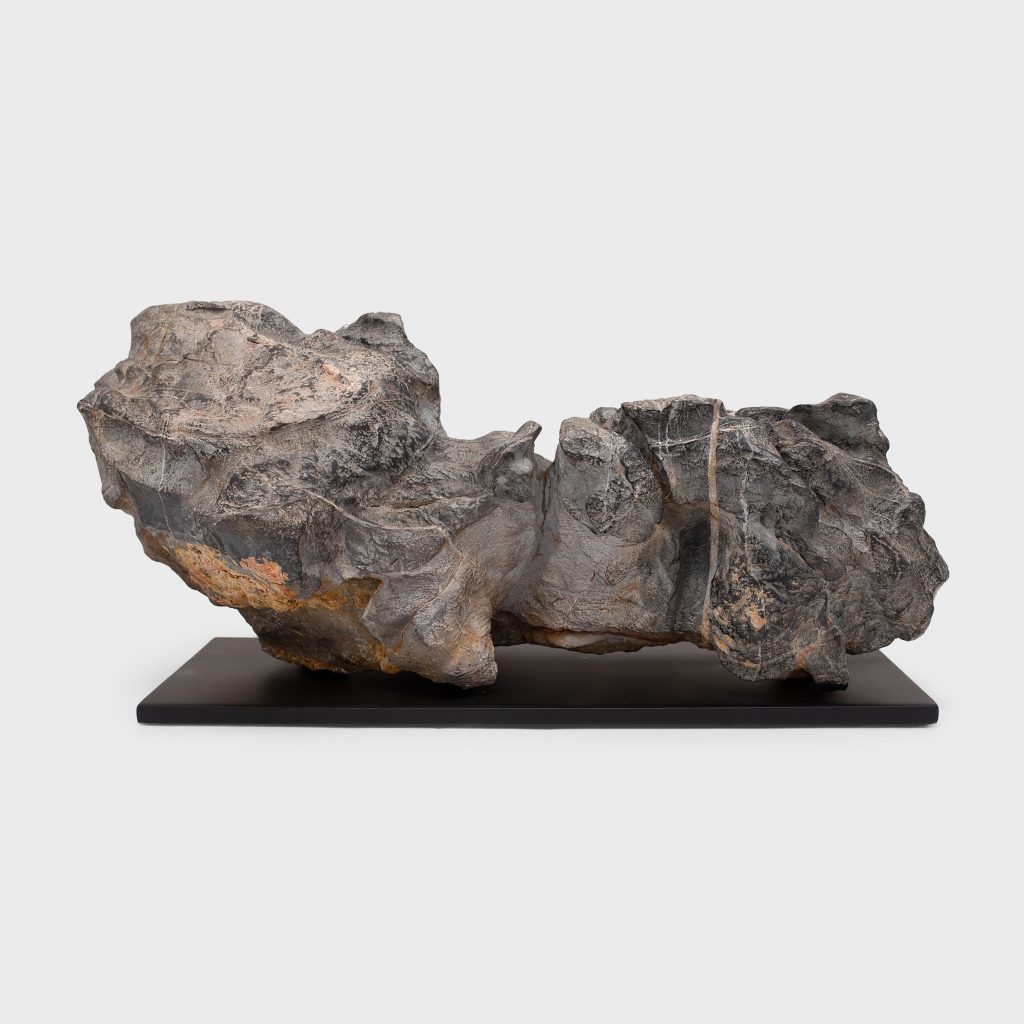
During the Ming Dynasty, Chinese scholars brought objects such as meditation stones from nature into their studios to focus their minds on the ephemeral beauty of nature. The scholar Wen Zhenheng famously said, “ceremonial wares should be suitably arranged so that they create a scene resembling lofty clouds, firmania trees, and ancient rocks.”
Interior by Sarah Coffey & Photography by Tim Hout
Today, personal altars remain a popular way to create sacred space within a room. The guidelines for creating an altar are more expansive and inclusive than in Wen Zhenheng’s day, but the purpose remains the same—to recenter and reconnect with enchantment in our everyday lives.
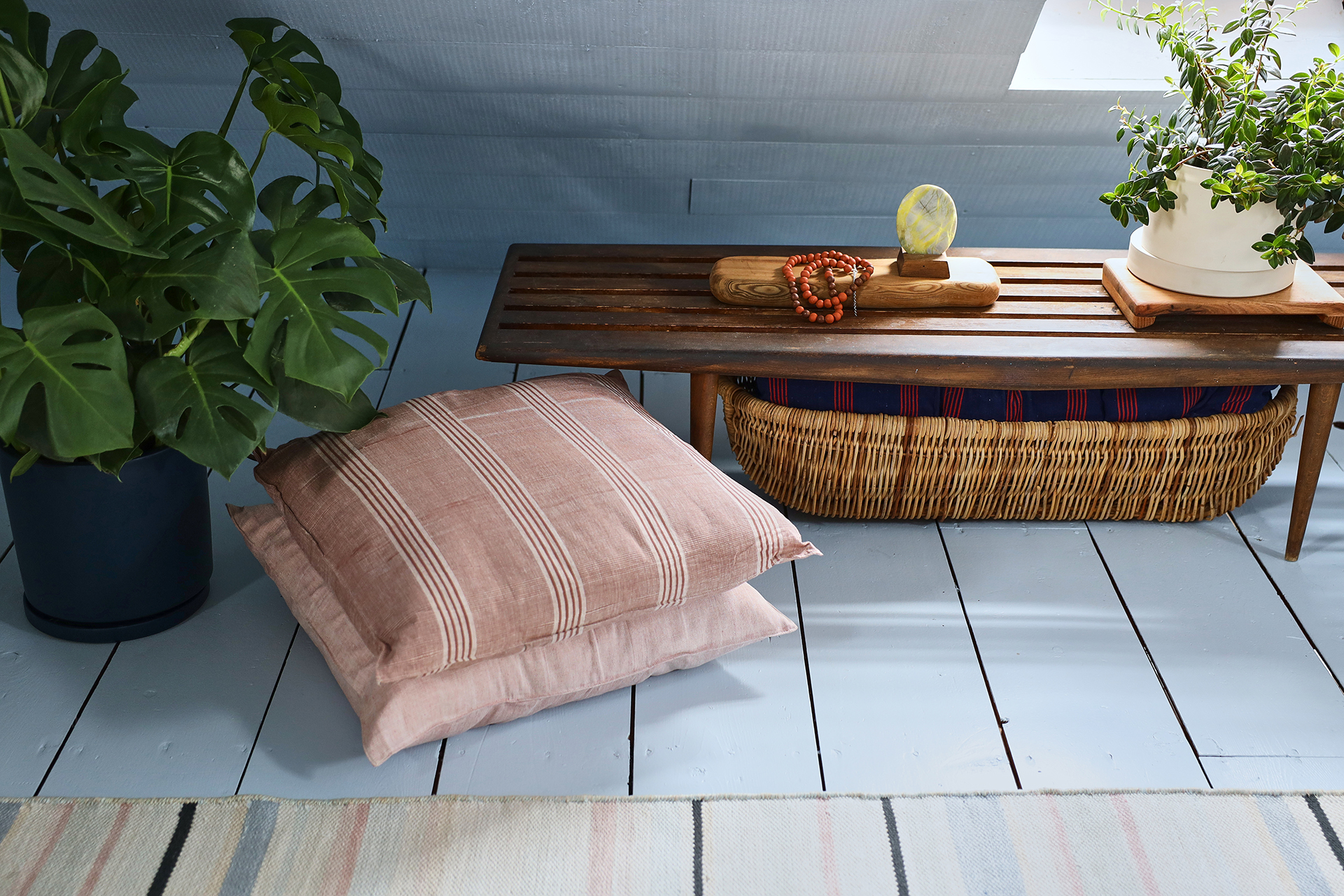
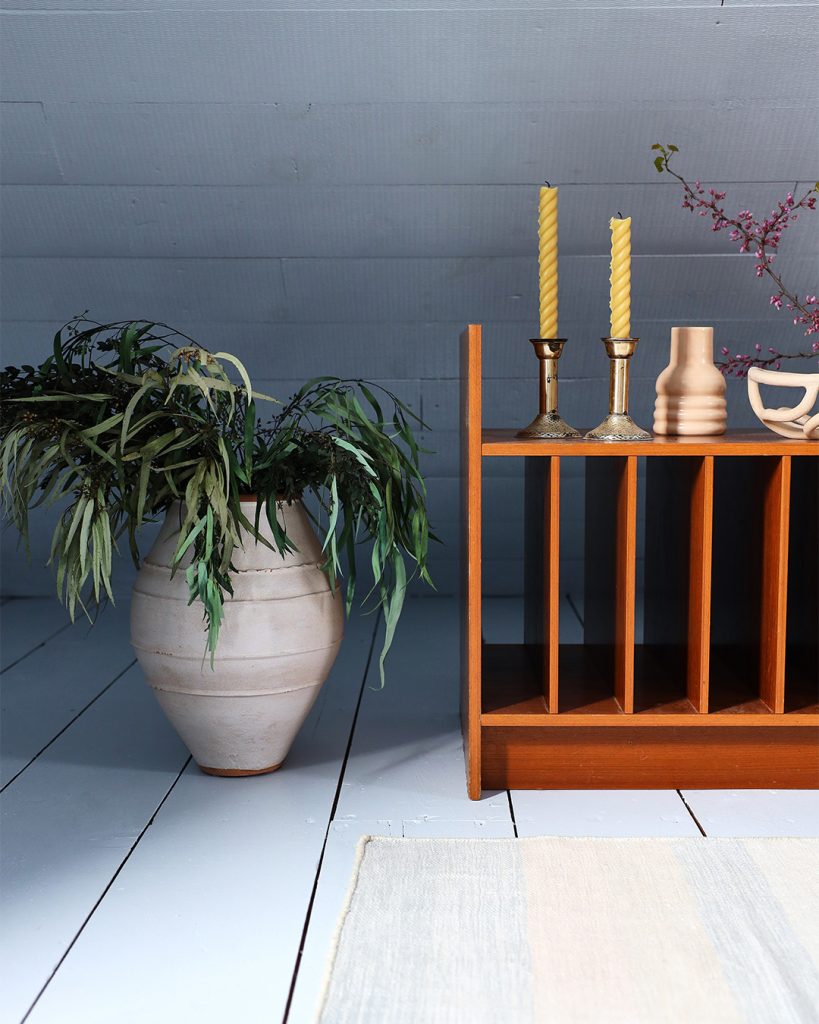
Creative consultant Sarah Coffey is an award-winning writer with 15+ years experience collaborating with lifestyle brands and editorial campaigns. Inside her studio in Hudson, New York, a repurposed bench becomes a personal altar, outfitted with a PAGODA RED meditation stone, reclaimed wood risers, a string of handmade beads by a Cherokee artist, and a potted plant. “I keep a couple of floor cushions nearby and, when I need a breather during the work day, I sit there to pause and recenter,” she says.
Interior by Sarah Coffey & Photography by Tim Hout
Choose Objects with Intention
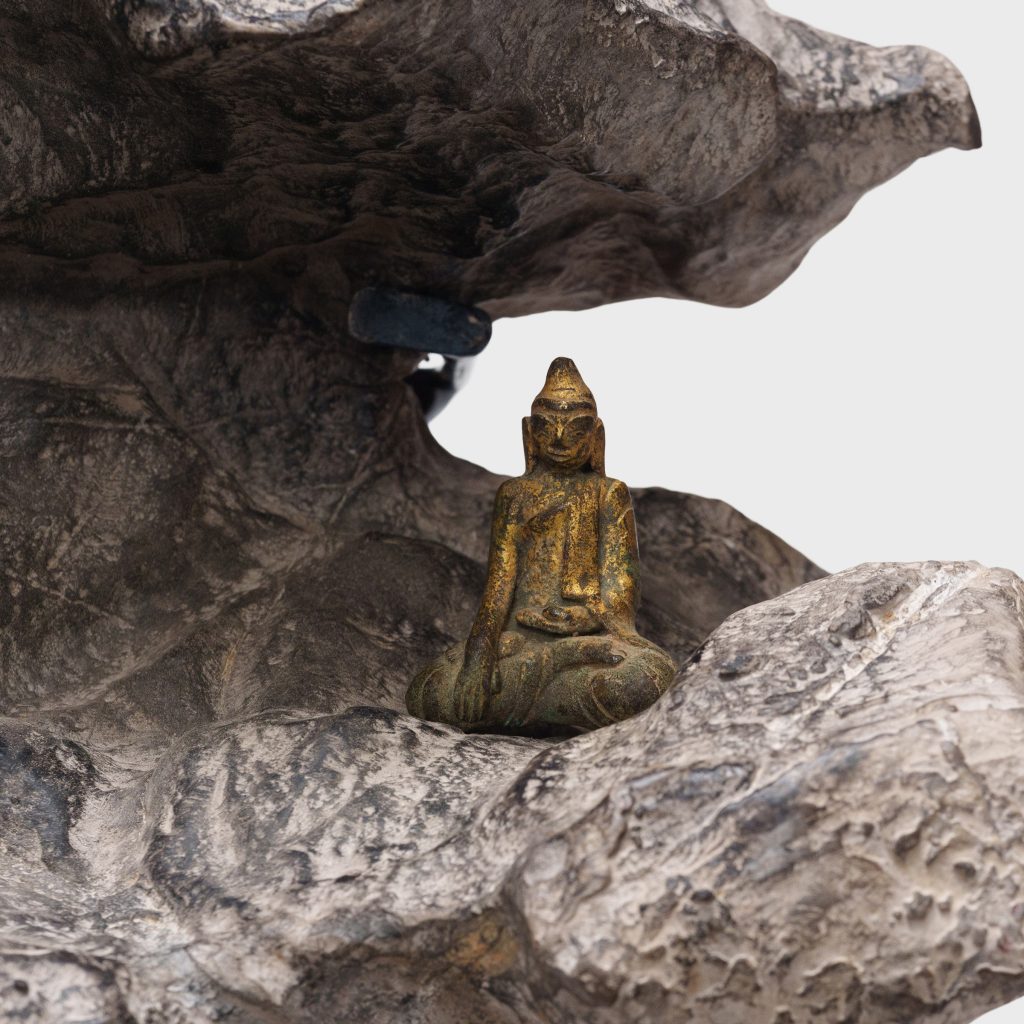
The act of assembling an altar can be its own ritual when each object is chosen with care, each placement considered. The arrangement becomes a quiet conversation between space and spirit. Objects might include:
- A vessel (ceramic, stone, or metal) to hold flowers or incense
- A candle to mark the passage of time
- A meaningful photograph or handwritten note
- Natural elements such as branches, stones, or seasonal blooms
- A sculptural object whose presence feels grounding
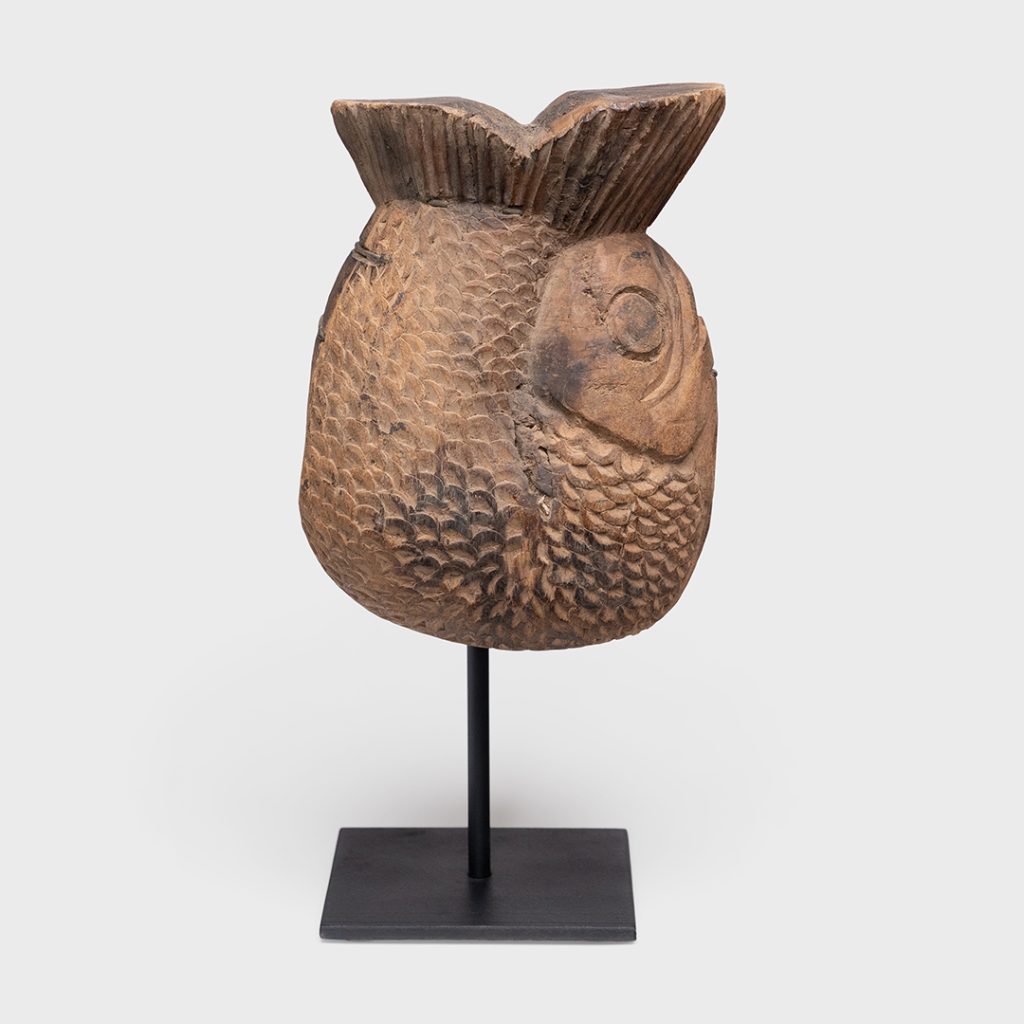
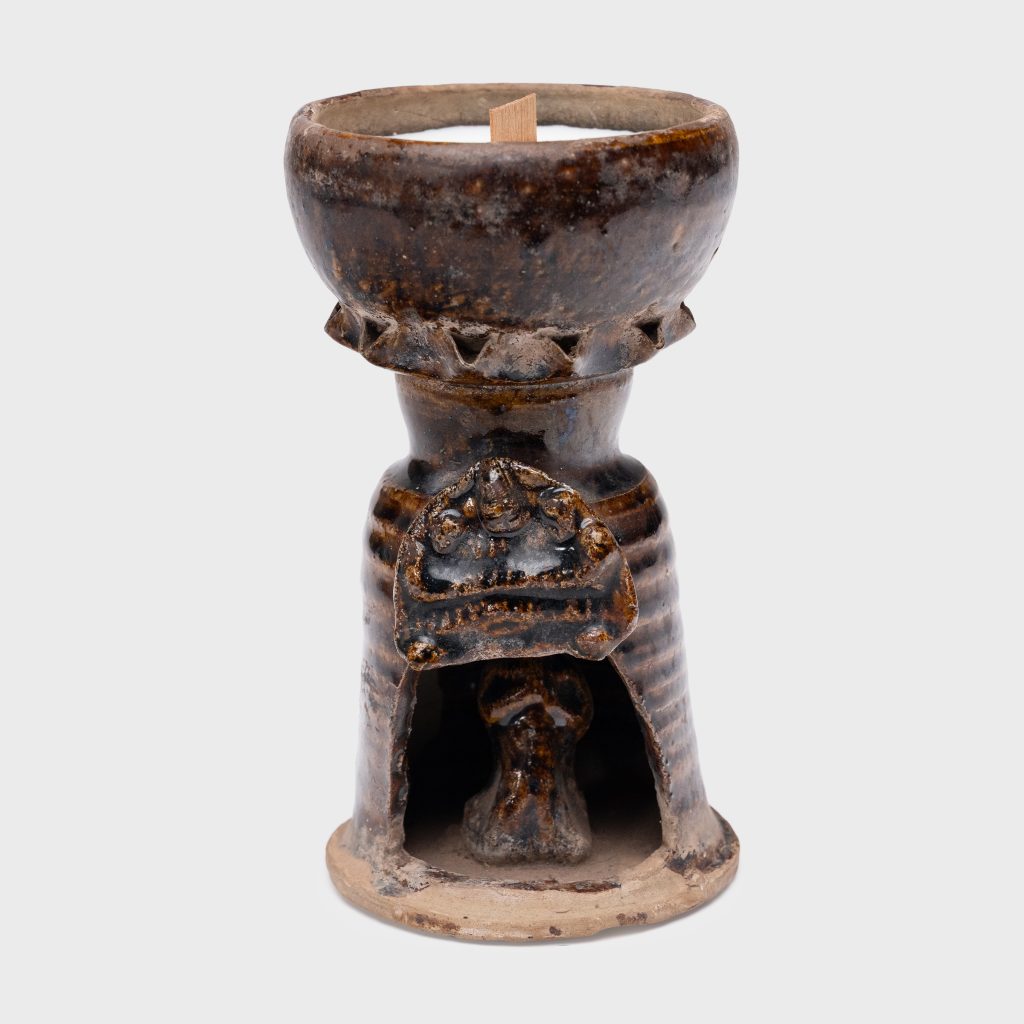
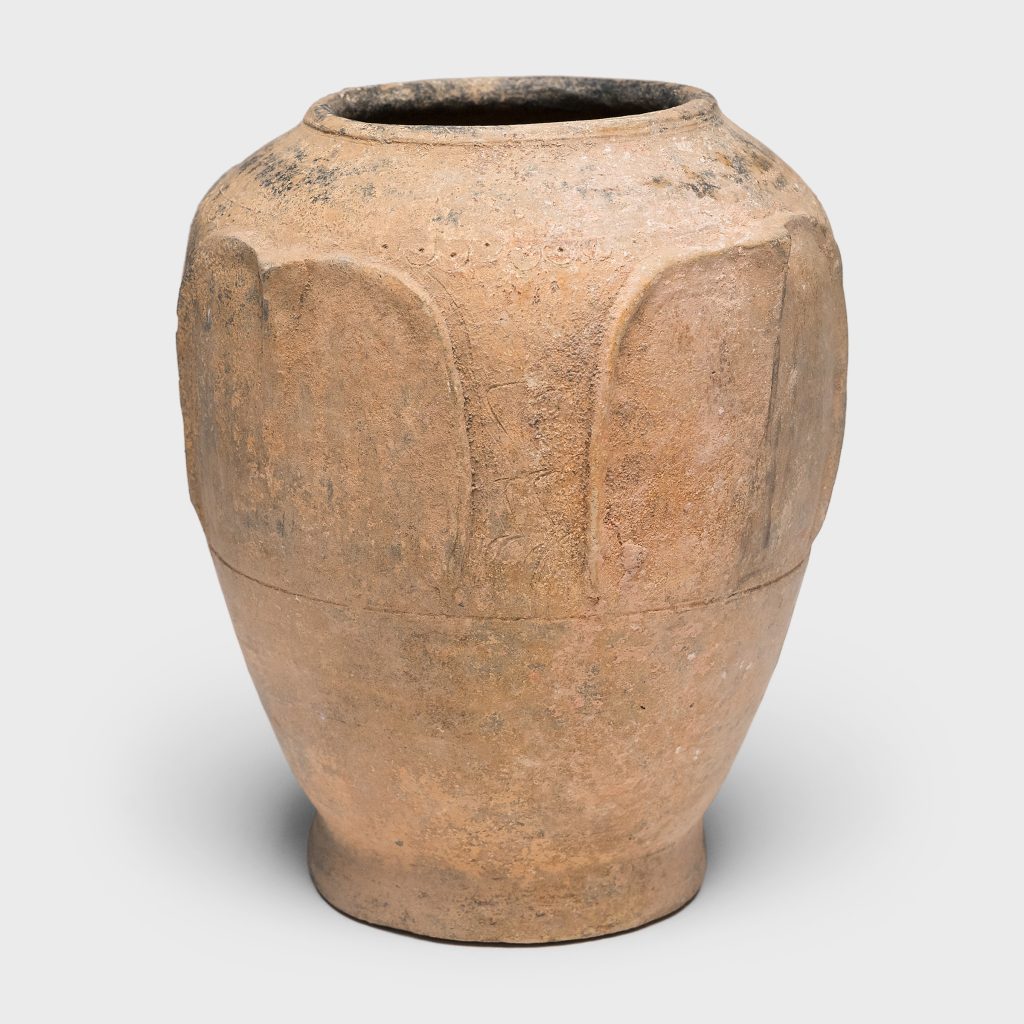
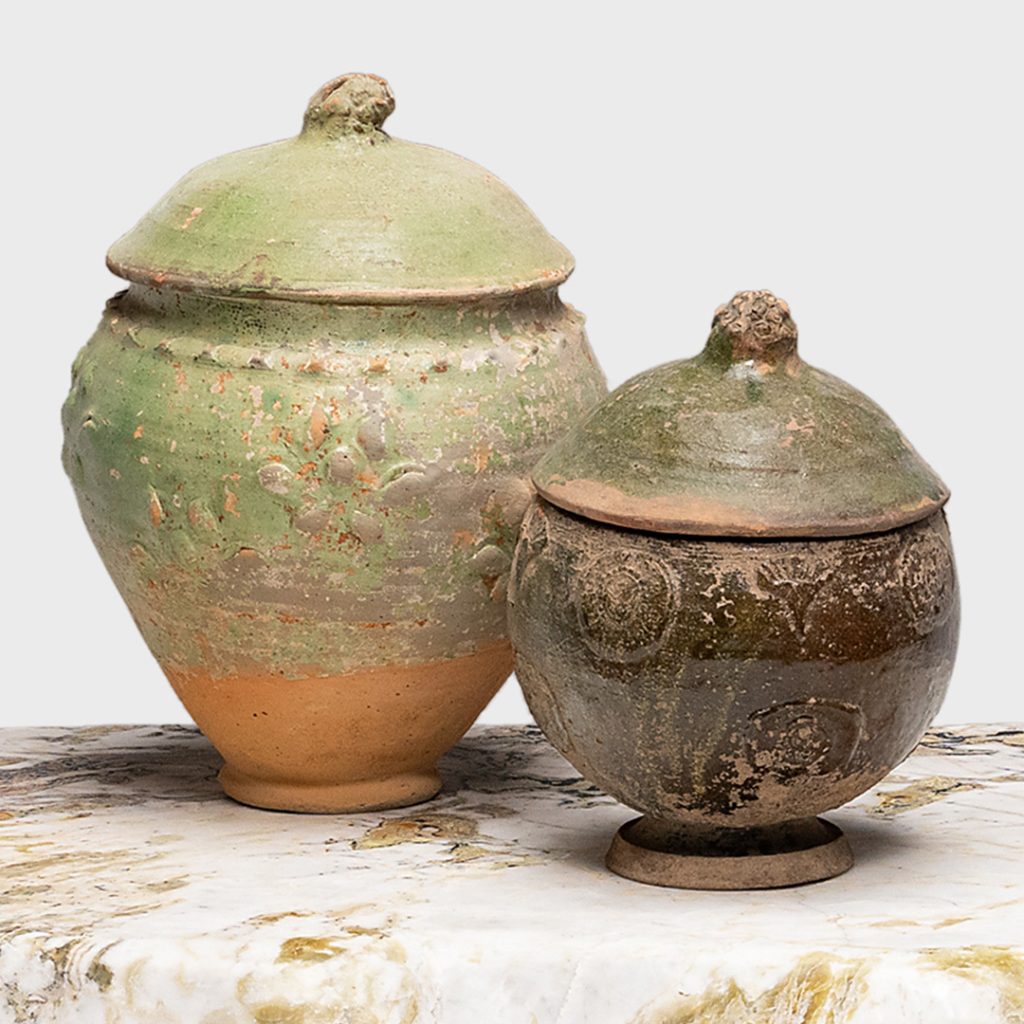
Materials matter. The weight of bronze. The texture of hand-thrown clay. The grain of aged wood. These tactile qualities root us in the physical world and remind us of the human hand behind the object. Allow space, so that your altar feels composed, not crowded.
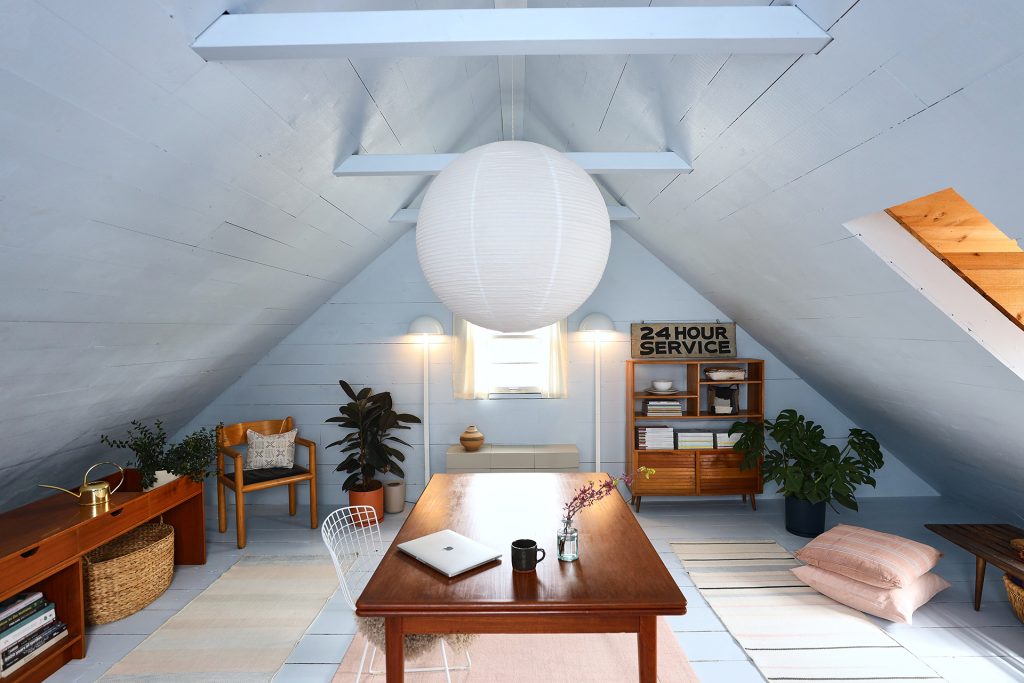
Interior by Sarah Coffey & Photography by Tim Hout
Create a Quiet Corner
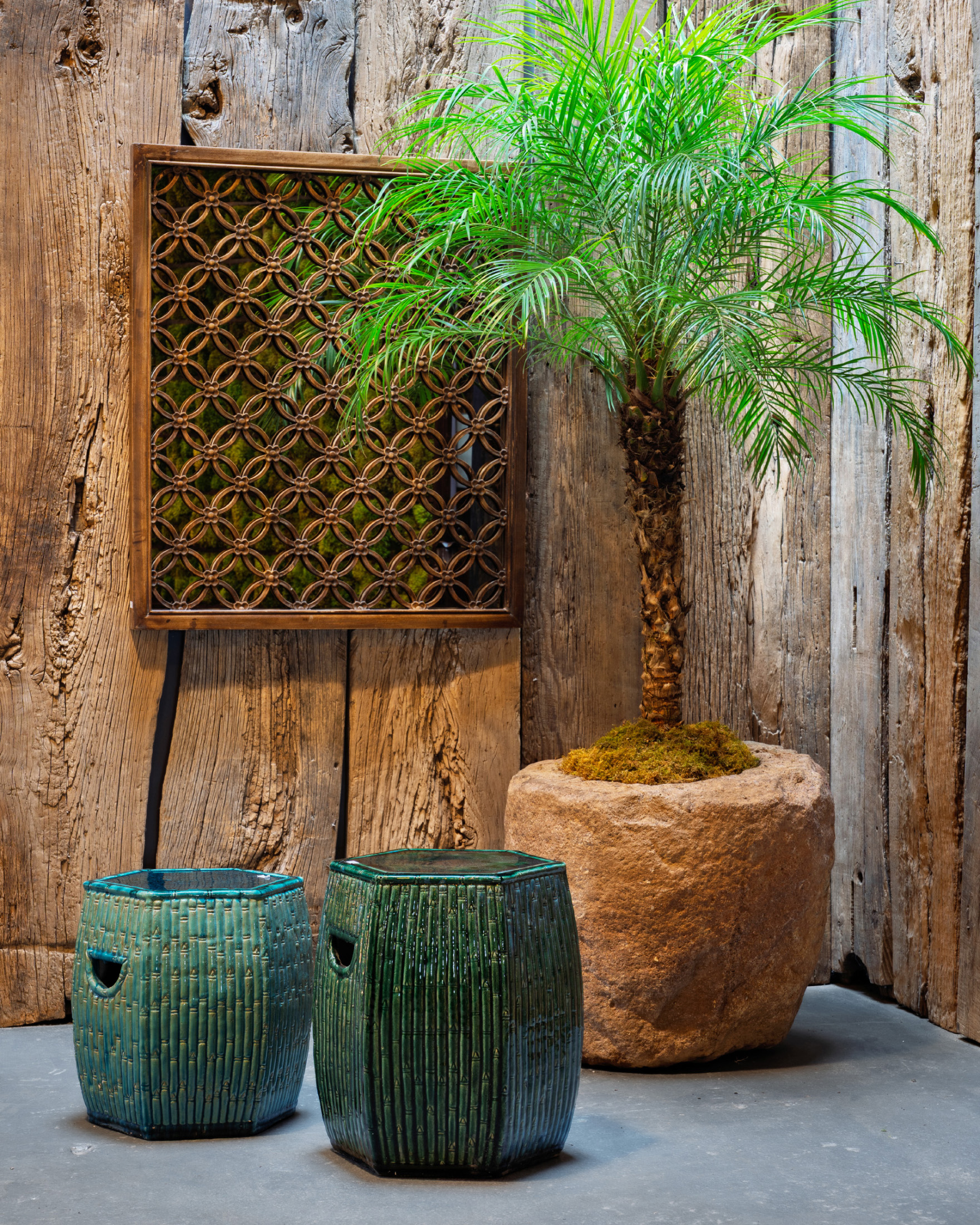
When so much competes for our attention, carving out a small, intentional space at home can be a meaningful act of care. Choose a place you love. A corner with natural light. A console in the entryway. A low table beside a favorite chair. Even a narrow shelf can hold significance if it is clearly defined and thoughtfully arranged.
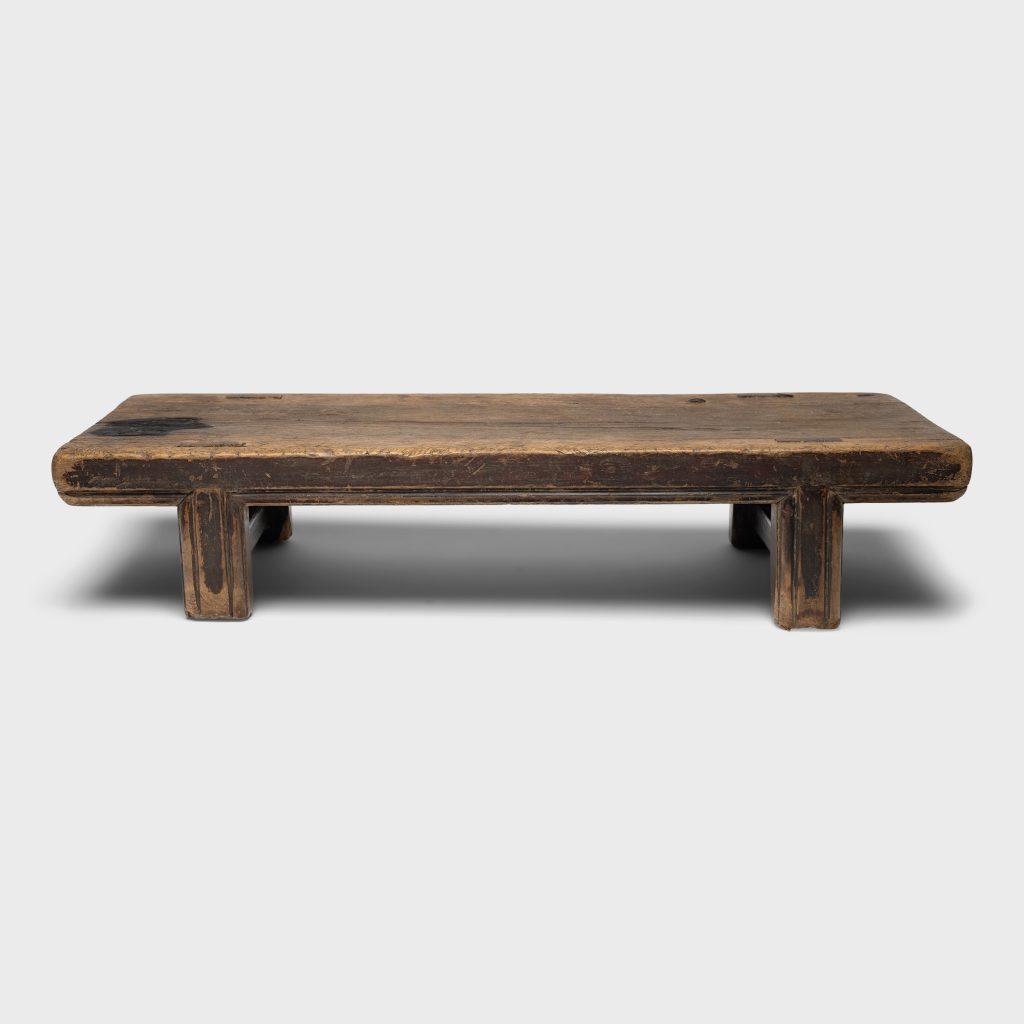
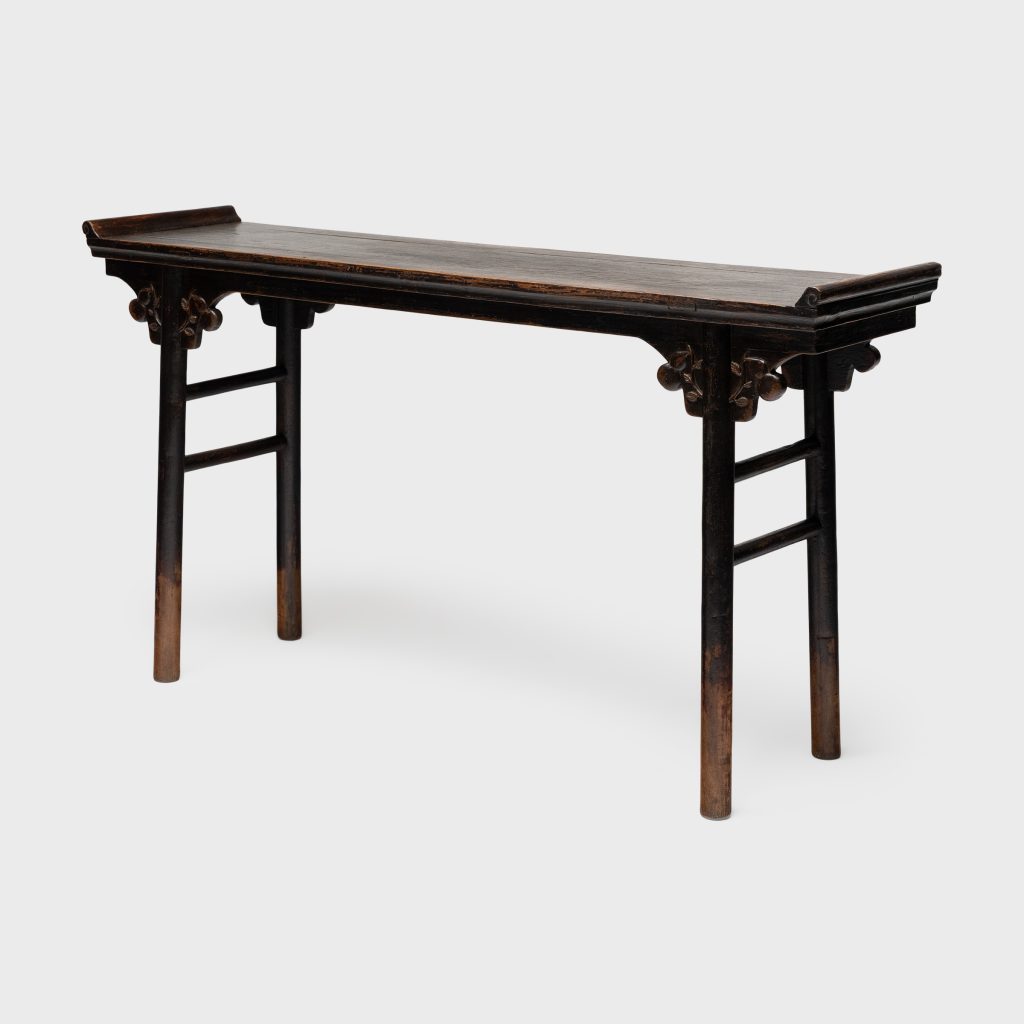
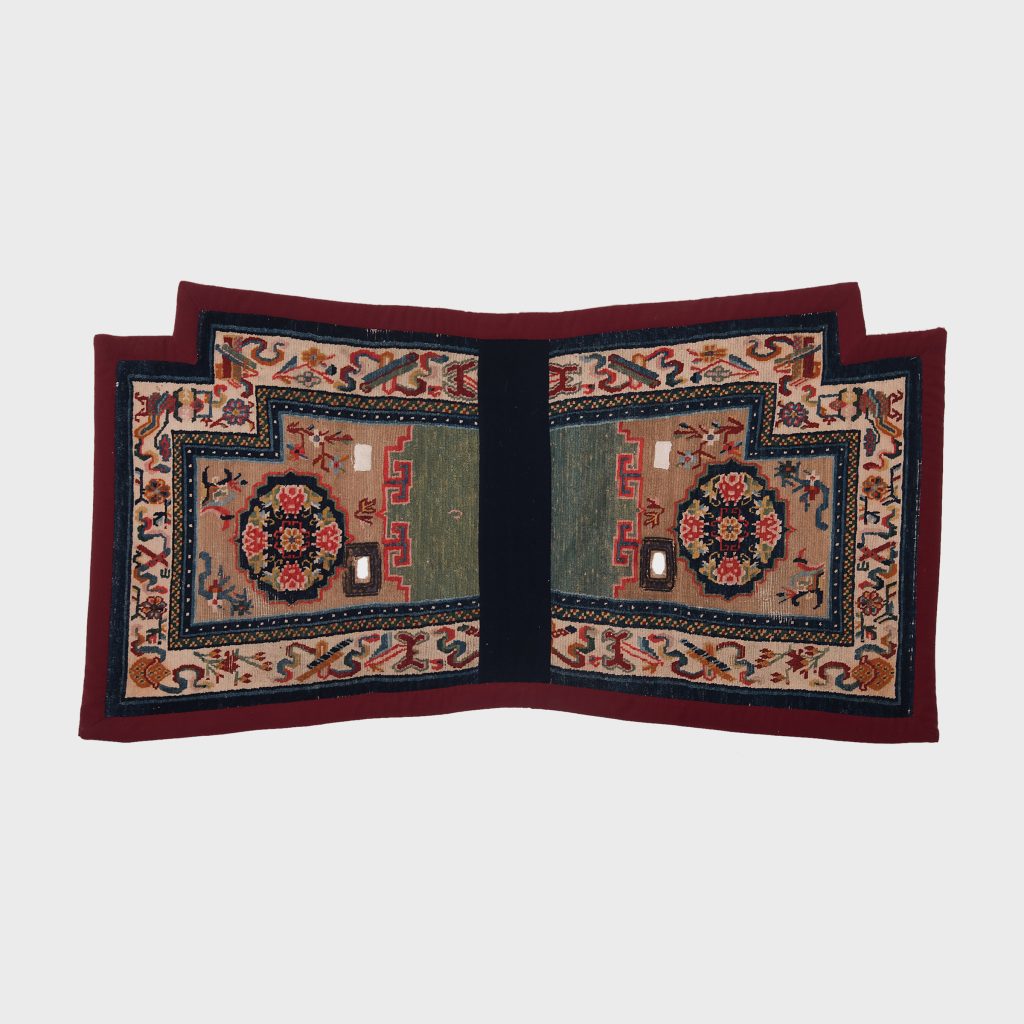
A personal altar does not demand much. Just a surface. A few objects. A moment of pause. But in return, it offers something steady—a quiet center to which you can return, again and again.
SHOP THE STORY