Issy Wilson: Boundary Layer
April 10 – May 15, 2026
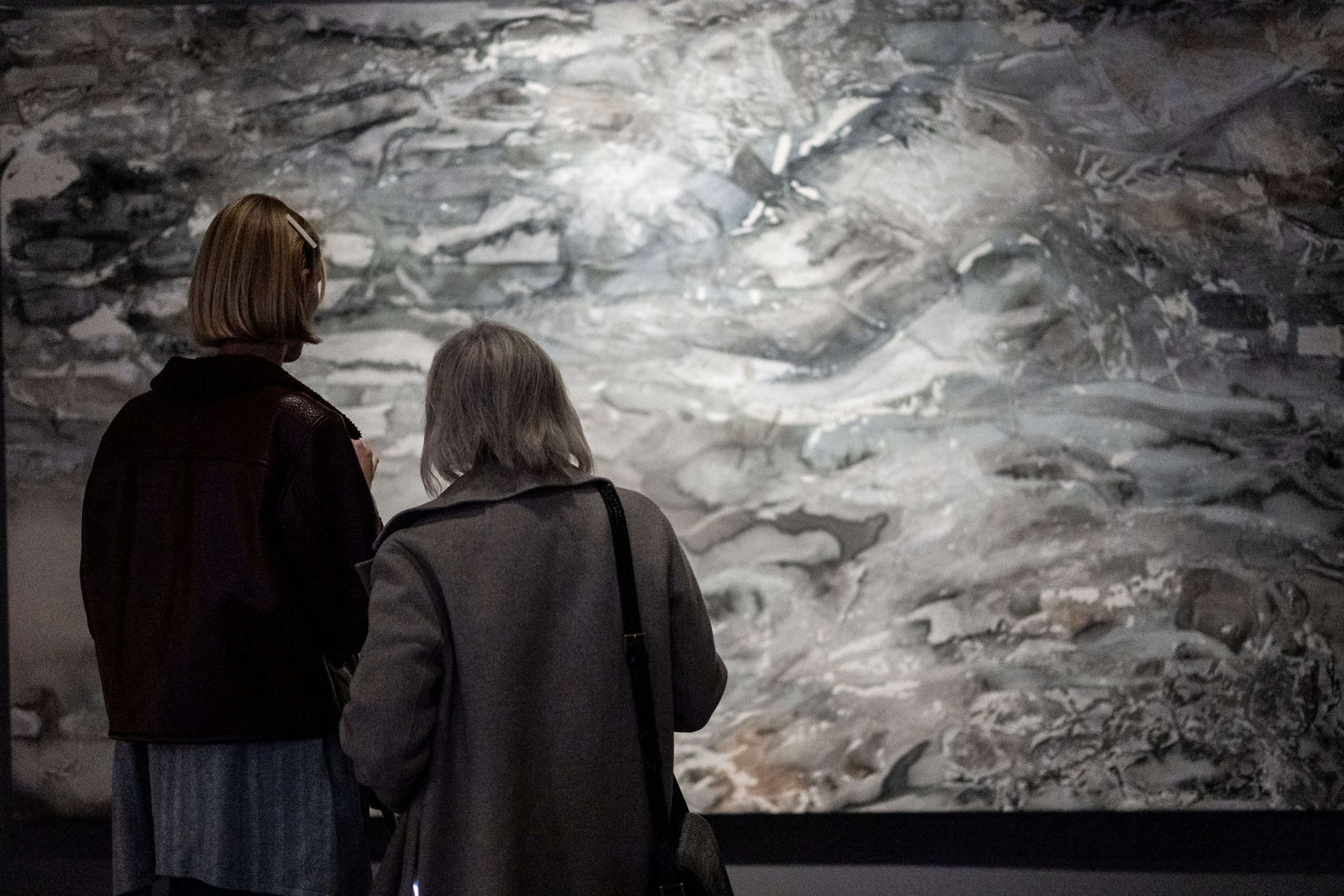
Awash with swirling colors and abstract forms, the mixed-media paintings of emerging artist Issy Wilson are deeply rooted in the natural world. Guided by the medium, she gathers inspiration by observing her environment and investigating ecological processes through material agency. In the ecosystem that is her studio, Wilson’s paintings grow and evolve in relation to one another, a collaboration between the artist, the art and their environment.
Currently based in London, Wilson attended the Royal College of Art and is currently completing a studio residency in the city. On view now at PAGODA RED, her latest body of work, Boundary Layer, takes us deep into the hidden world of moss.
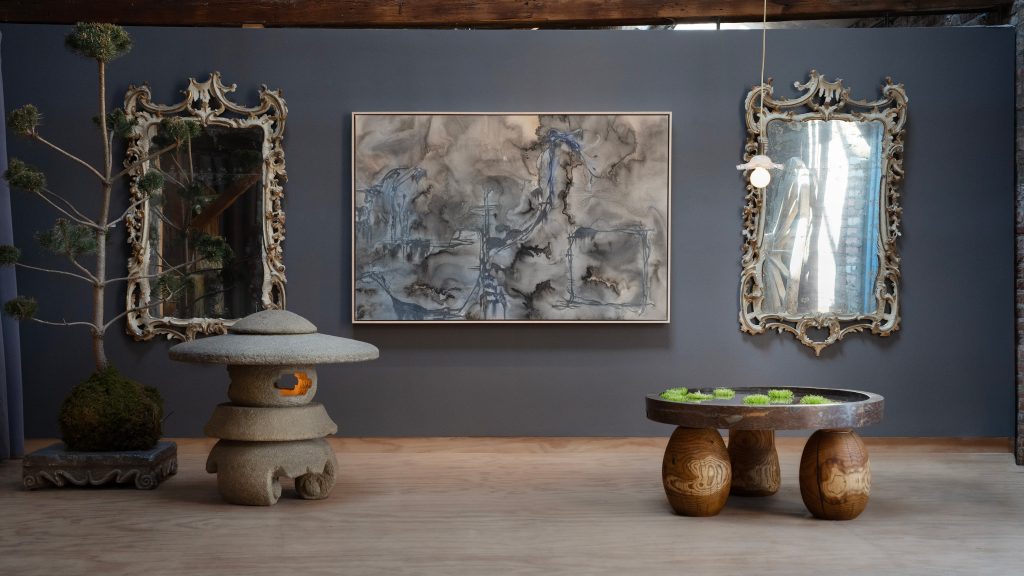
A term borrowed from ecology, Boundary Layer describes the atmosphere around living organisms, a micro-climate where wind is minimized, humidity is maintained and heat is kept favorable. This liminal space between plant, earth and air is a result of continuous feedback with the environment – the unseen ways that moss and other plants shape their surroundings to thrive.
Many of the works in Boundary Layer were developed during winter in London, when sunlight is scarce and the world feels grey and dimly lit. Inspired by the season, Wilson lent her eye not only to the green moss bejeweling the urban landscape, but also to the hostile beauty found only in the colder months. Like the material conditions that shape her canvases, her changing environment encouraged a shift towards moss, rock, ice and water – a departure from the forests, plants and rhizomes of previous collections.
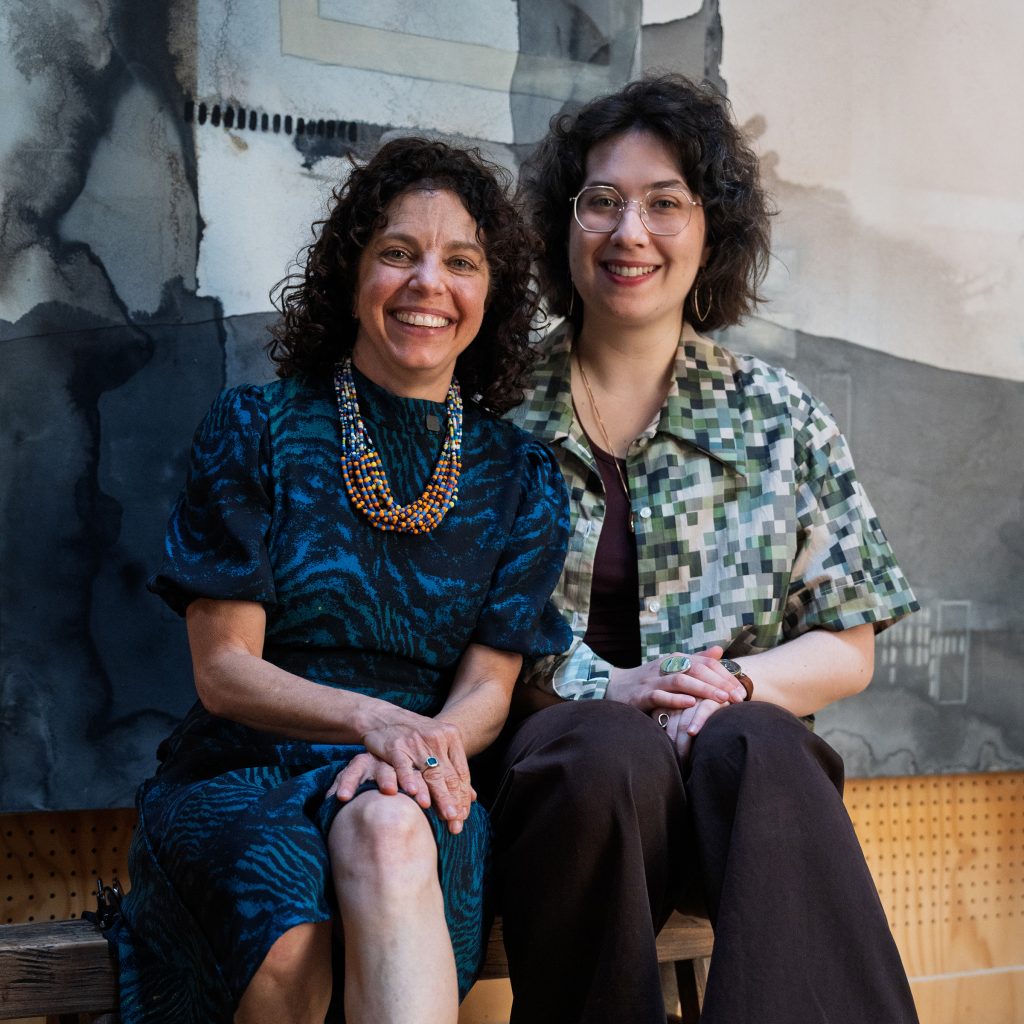
In a conversation with PAGODA RED’s founder Betsy Nathan, Wilson discusses her creative process, the resilience of moss, and the symbiotic relationship between art and its maker.
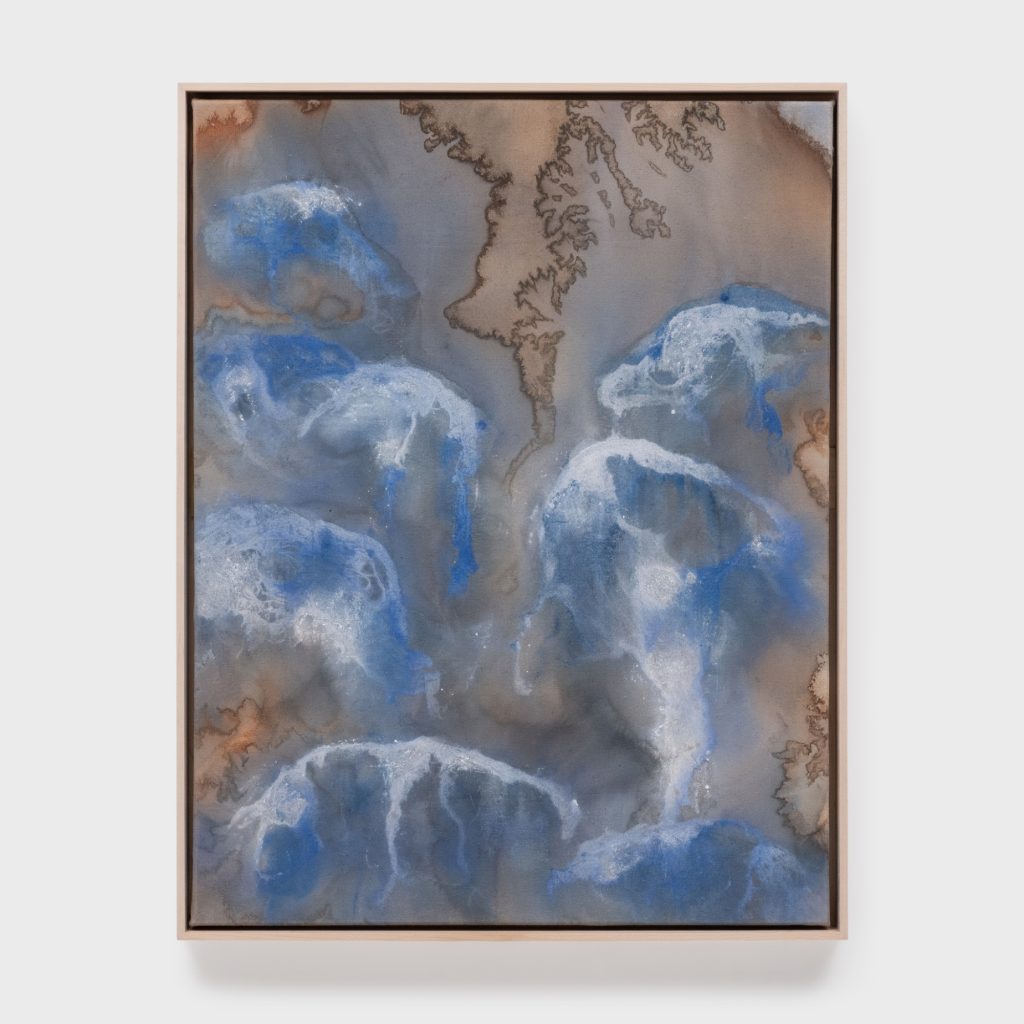
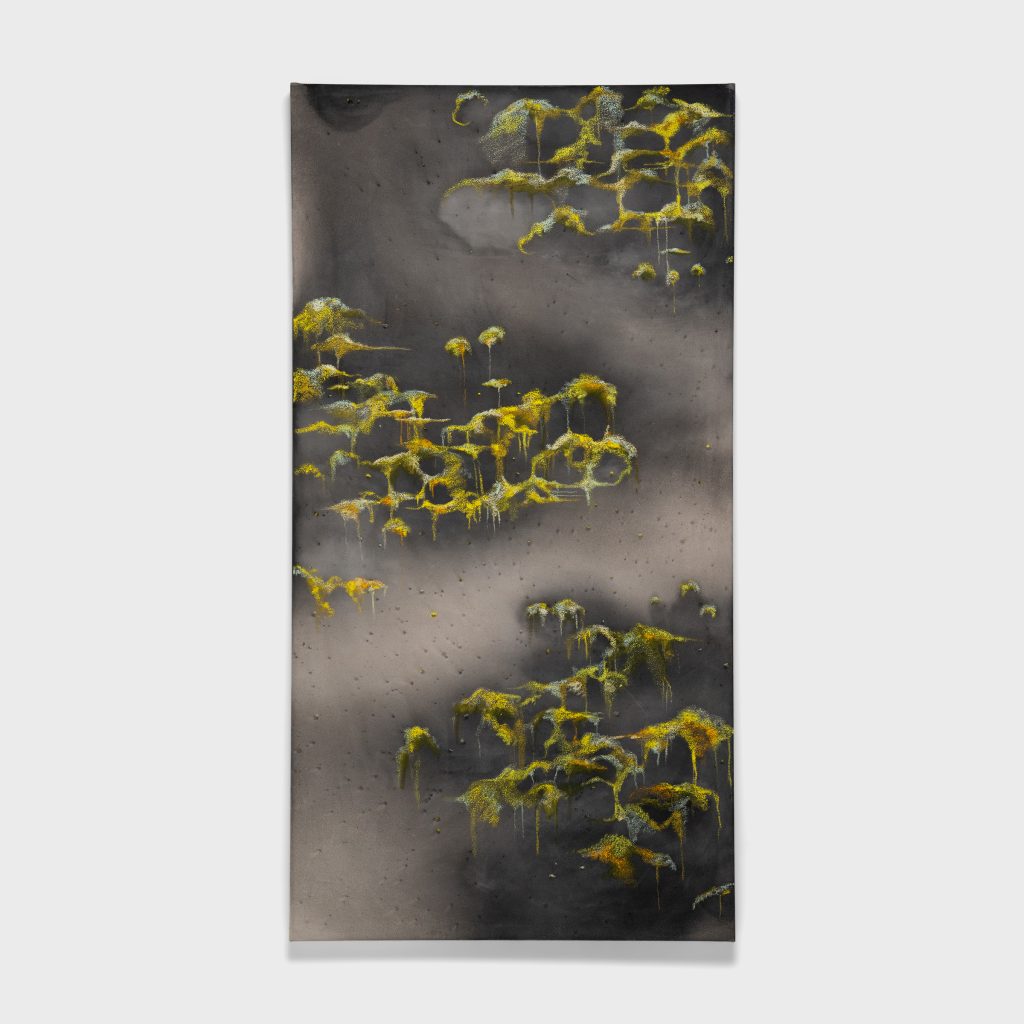
Starting at the beginning, Betsy and Issy reflect on Moss II, the first painting selected for this exhibition and the conceptual basis for its curation.
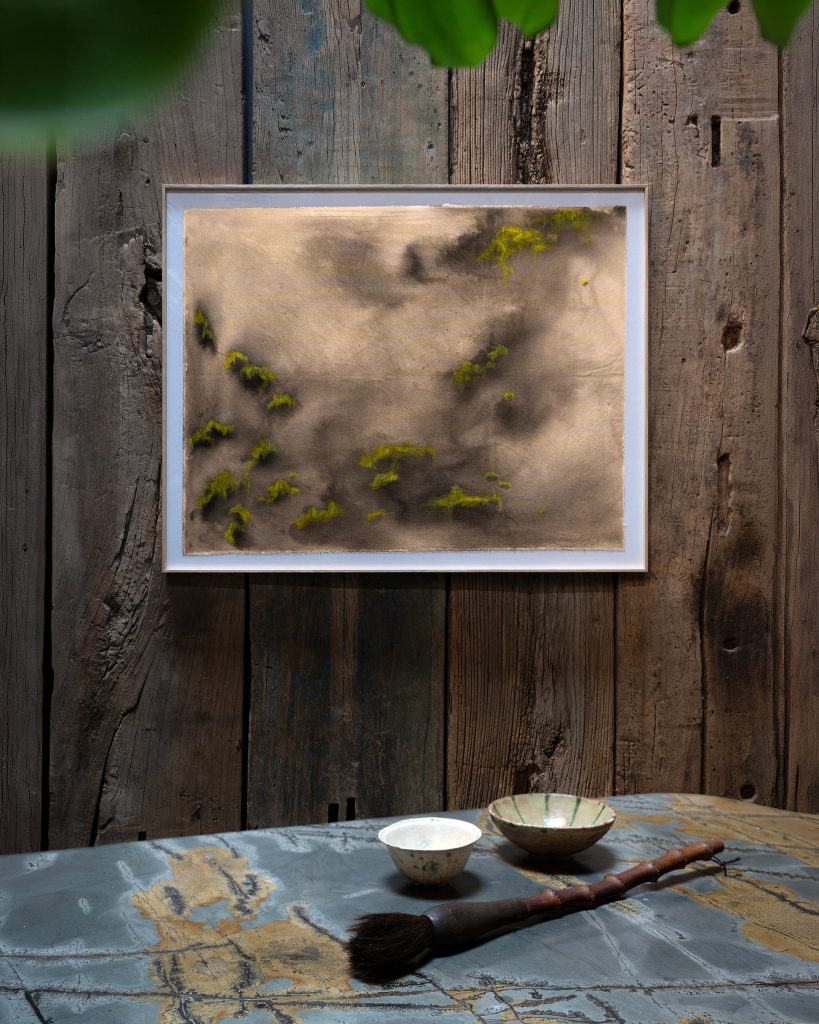
BN: Tell us a little bit about this work.
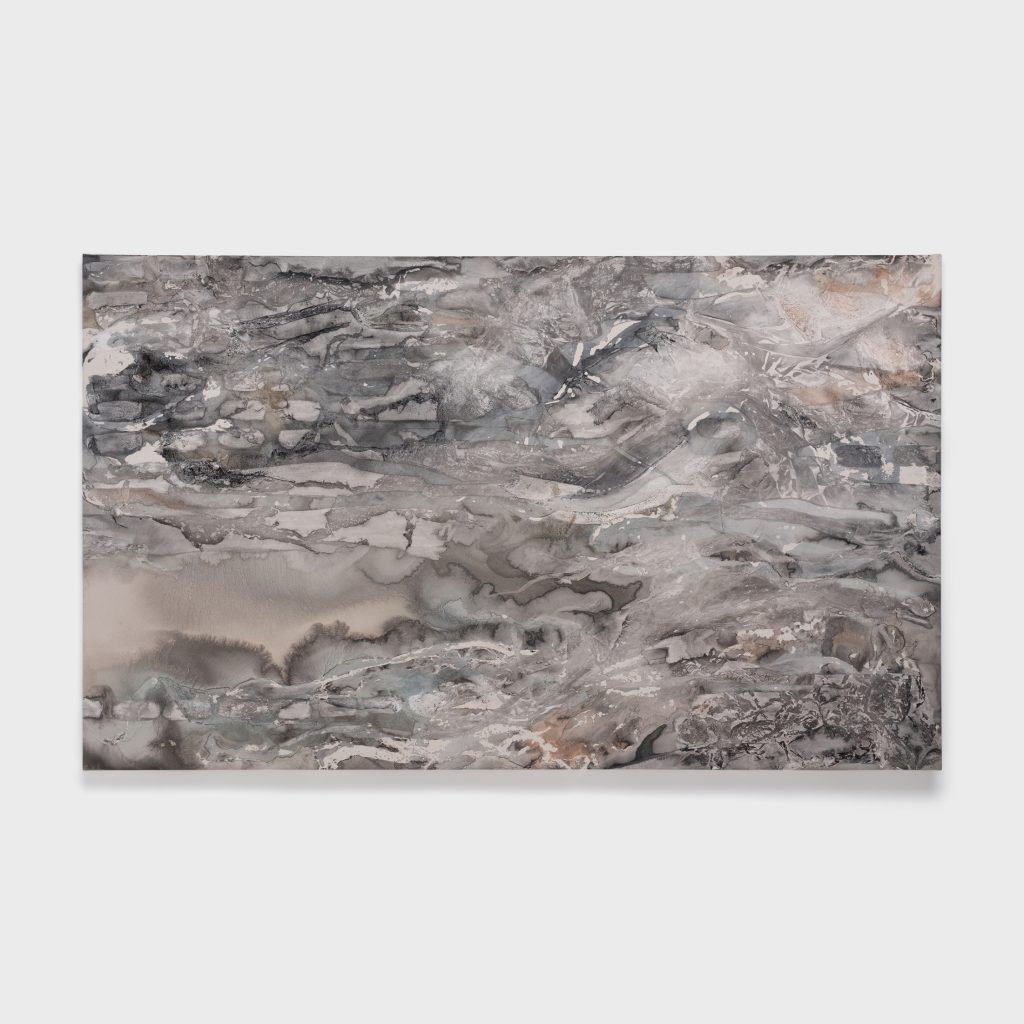
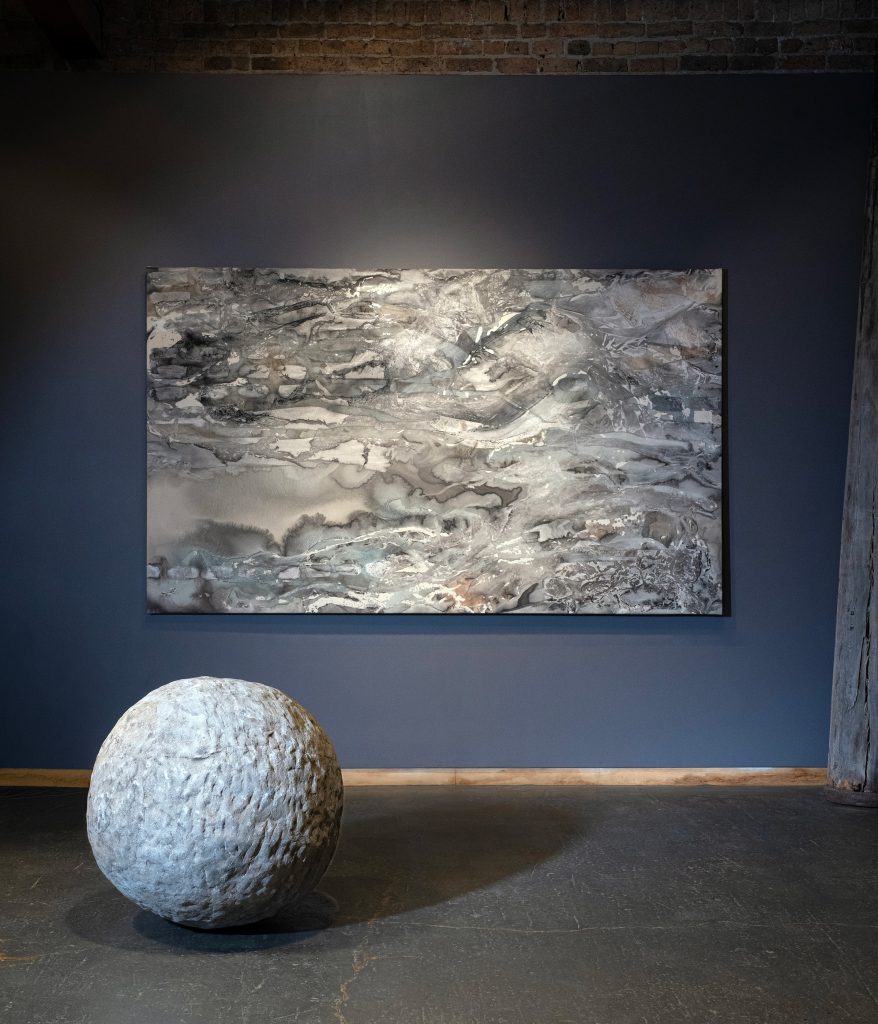
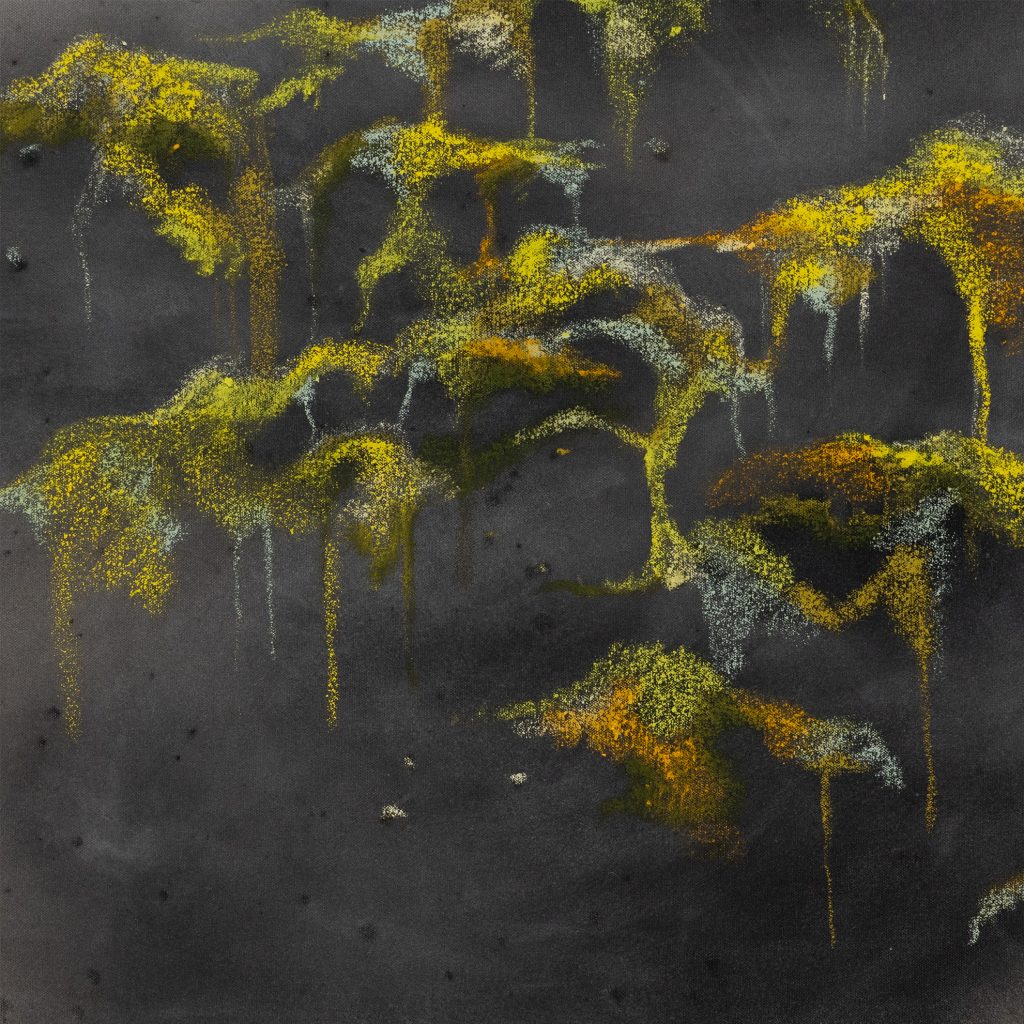
IW: This work [Moss II, above] started in a place called The Burren in Ireland. It’s an incredibly interesting ecosystem full of limestone rocks and mist, where mosses and micro-organisms can really find their footing. This painting was directly inspired by that landscape – seeing these glowing, mossy things dotting the grey horizon. My other painting Limestone [below] was also inspired by The Burren, this time focusing on the rocks and only alluding to the plants that grow within the crevices.
BN: What attracted you to moss? How did you find your way to the natural world as a way of expressing some of the mystery there?
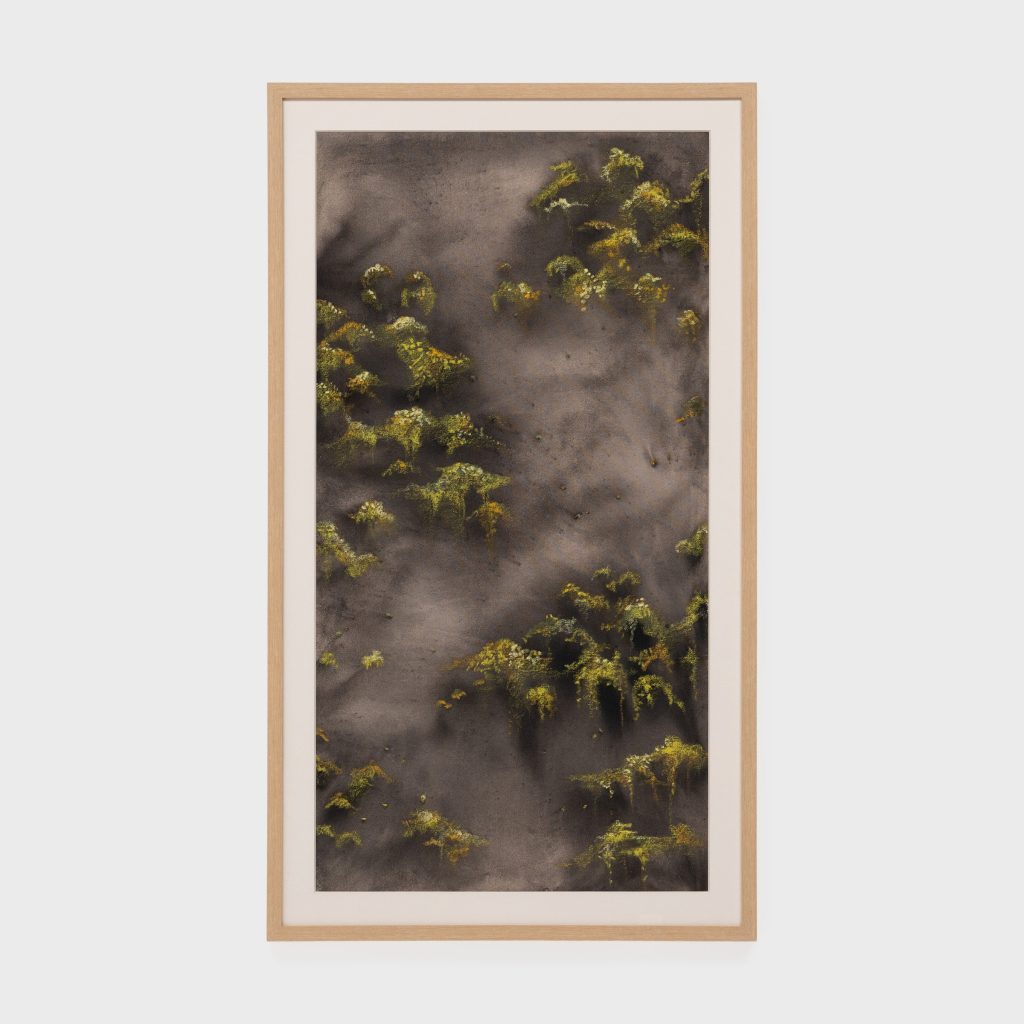
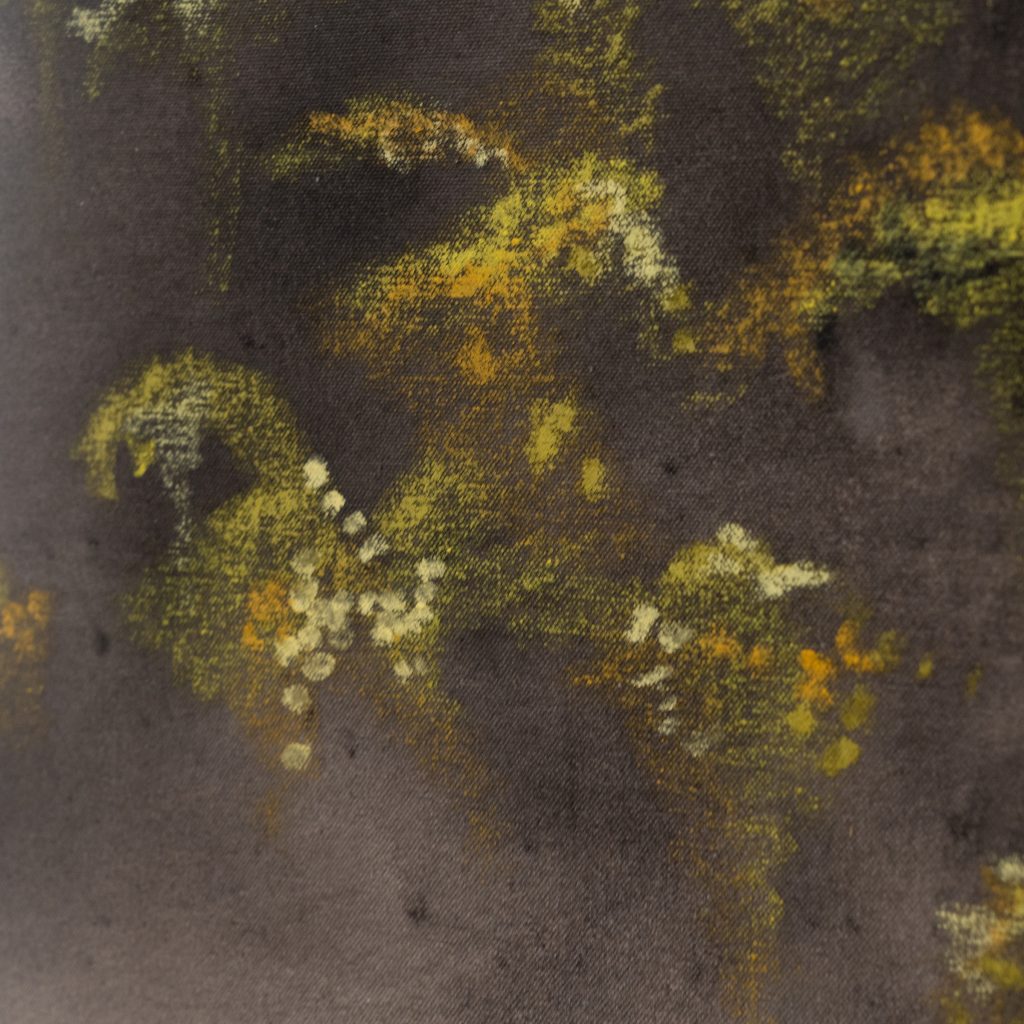
IW: Well, moss is a really overlooked plant – we literally walk over it every day and don’t think about it. I was making this show in the middle of winter and there were very few plants or natural life to be found. But throughout the whole city, there was always moss growing in the cracks and between the bricks of every building. So that got me thinking about how moss can survive year round and I discovered that it’s a really unique, resilient organism that actually cultivates its own ideal conditions for survival. That’s where the title of the show comes from – Boundary Layer.
BN: In this technological era, we all feel a little disconnected. It’s nice to feel the connection to the natural world you convey in your works.
IW: Definitely, it’s about trying to be present, observe, and – even with the moss – to notice the nature around me. It’s an effort to try and notice these moments, rather than looking at my phone. It could be grey out, or rainy, but there are still beautiful moments that you just have to notice and pay attention to.
BN: You spoke about winter. How do the seasons impact what you’re working on?
IW: Seasonality does shape my work, in London especially. Many of my studios haven’t had heat and none of them ever have air conditioning. It sounds straightforward, but it changes how I make these paintings. In the winter, the paintings can take days to dry, whereas in the summer they can dry in a few hours. Even the amount of daylight affects me, whether the sun is setting at 3:30 in December or not until 9:00 in June. The seasons impact my process and shape what I’m researching or focusing on throughout the year.
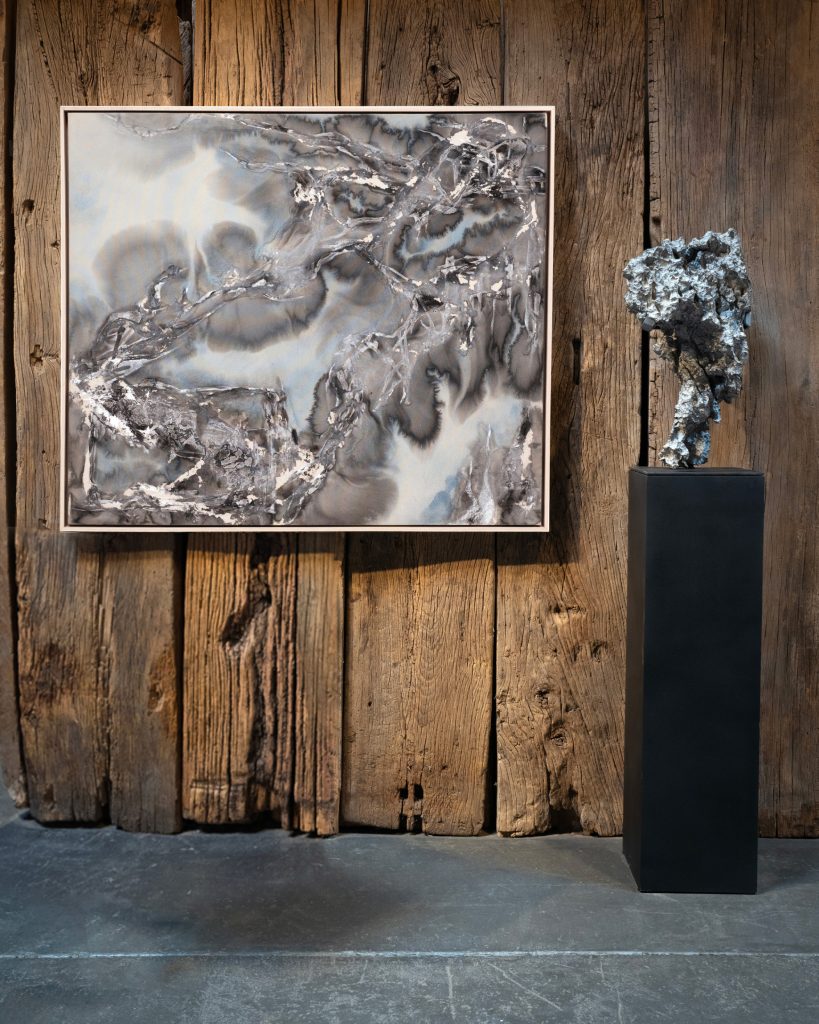
IW: Winter Lake [above] is inspired by Lake Michigan and how the sand and ice meet at the shoreline during winter. I find it very beautiful but also very intense, the meeting of these elements is quite striking.
IW: These works also feel very wintery to me. Vestigial Structures [below] was painted last winter, and Winter Solstice [below] was painted this winter. I find them to be in an interesting conversation with one another, thinking about how they’ve changed from one year to the next.
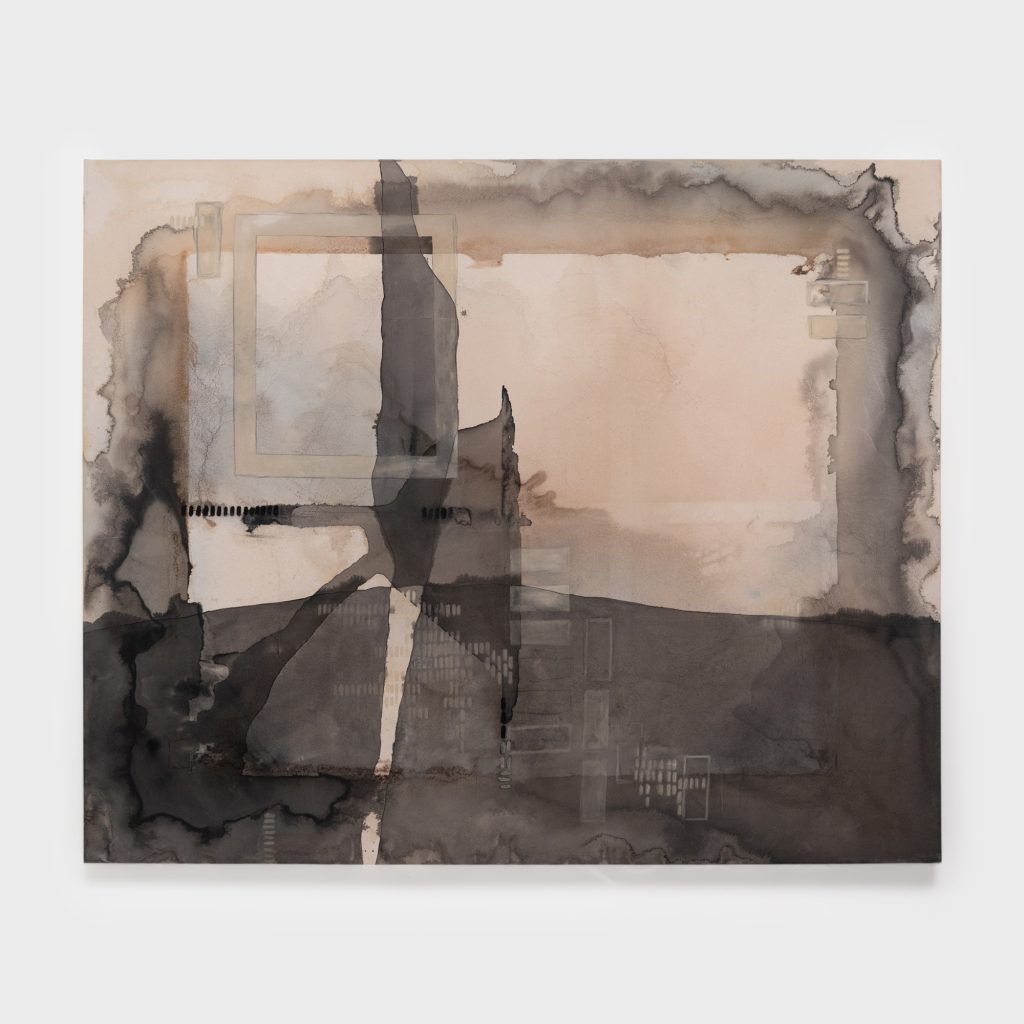
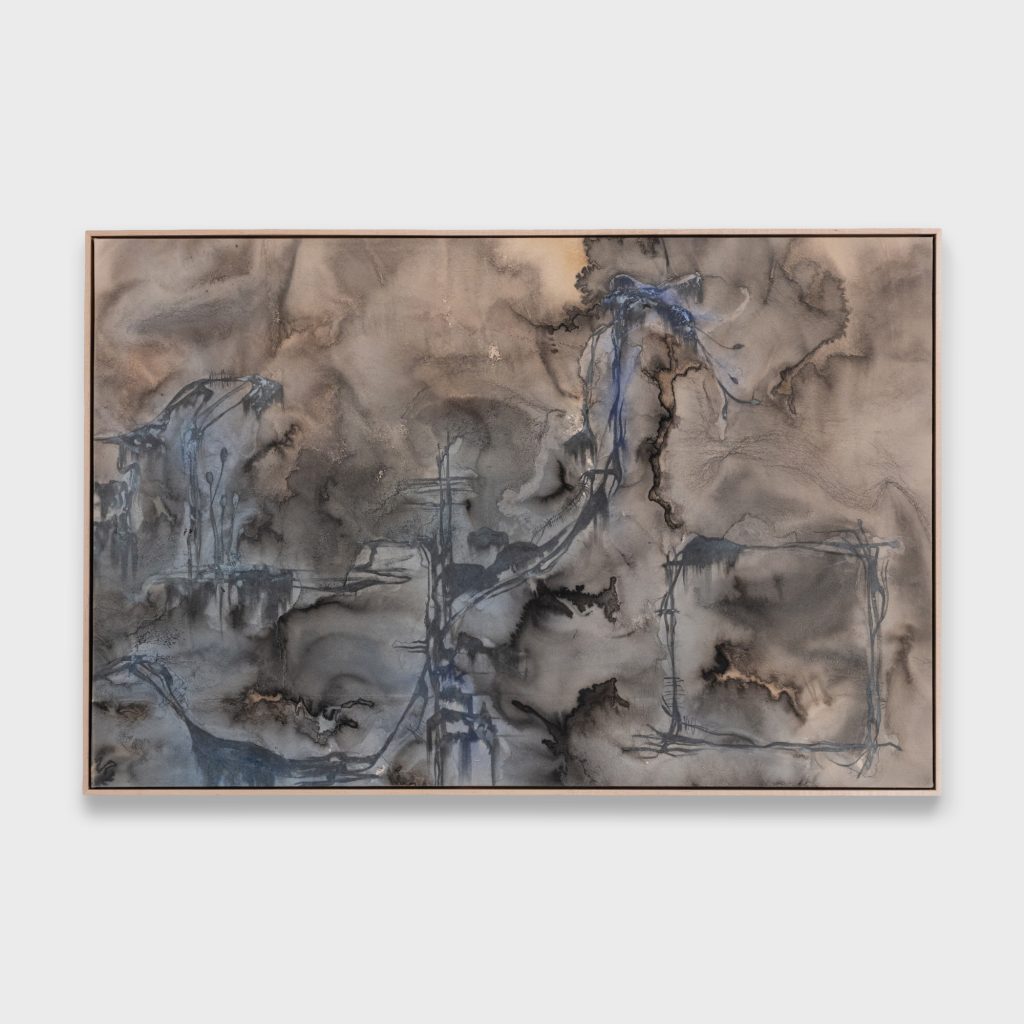
IW: There’s a lot of beauty in winter, but also difficulty. It gets grim and can be a challenging time, but there are still beautiful moments – you wake up and it’s snowing and the world has been transformed. Or when the trees are bare and it’s stark and a dash of spooky, yet it’s beautiful and you see the structure of the trees.
BN: What materials do you work with?
IW: Most of these paintings start with ink – I would say ink is the throughline. I work with india ink, colored inks, shellac inks and unusually emulsion paint or a water-based acrylic. The ink provides the structure beneath each work – sometimes it will feel like rocks or a building structure or bones.
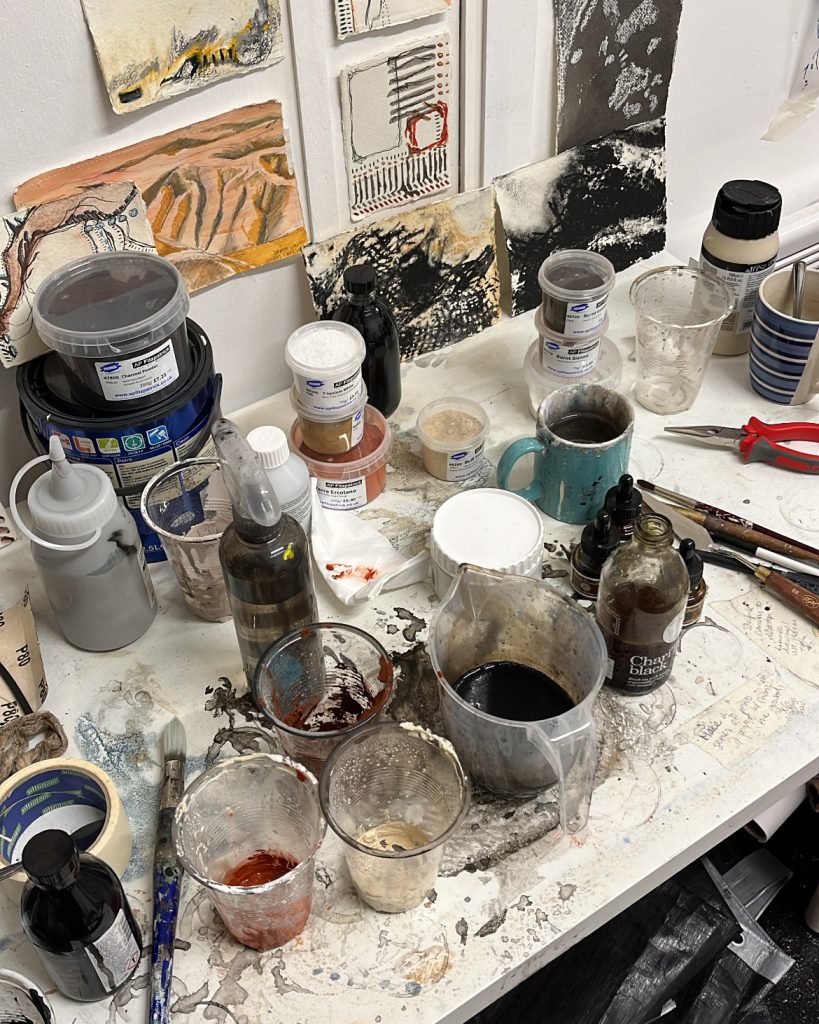
BN: How do you go about creating that structure?
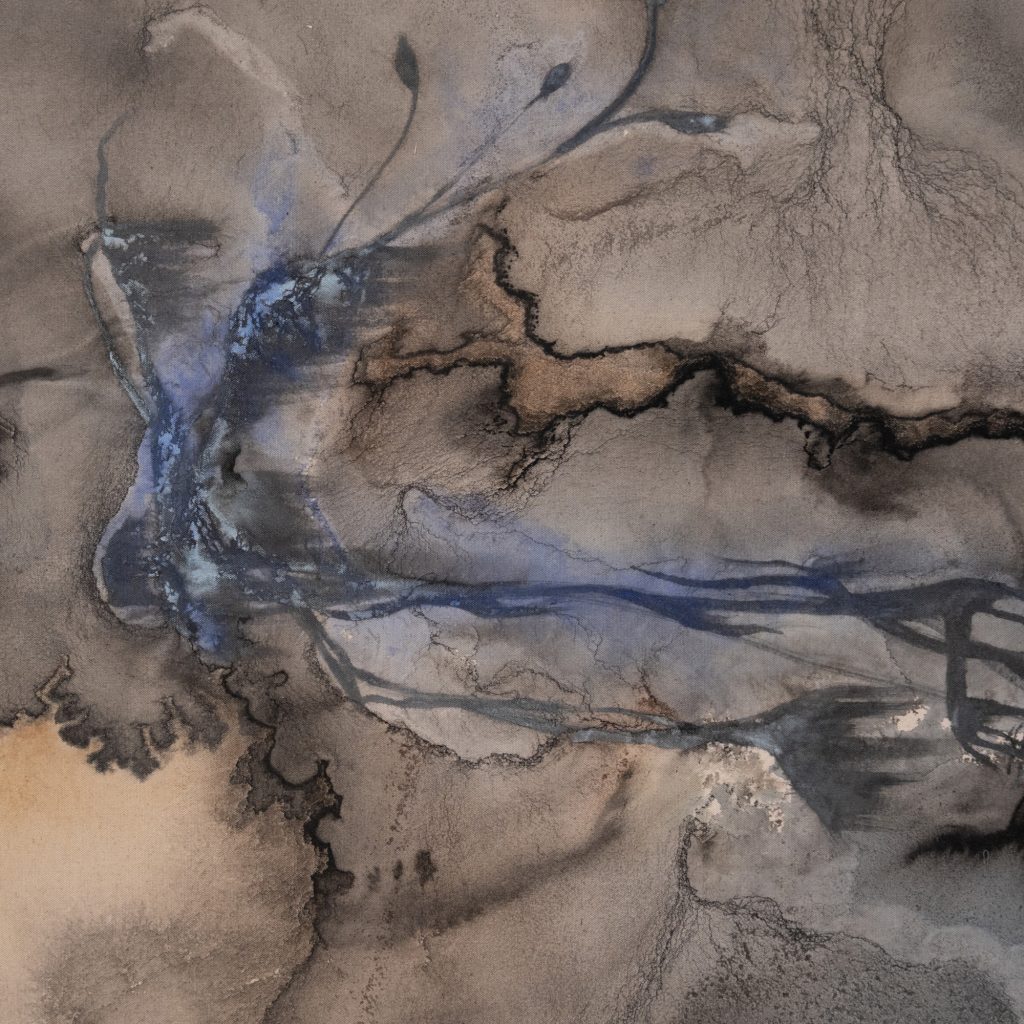
IW: When I’m sketching and creating smaller studies before I begin a work, I’m often trying not to think at all. I really just try to let the line do what it wants and form some structure, but then the paintings do start to have a composition you’d recognize, or a landscape, or allude to something familiar. And then the inks grab on to that compositional structure.
IW: There’s a lot of dimension to my works, which comes from a lot of layers. I have to be very patient – I may do something to a work and then let it sit for several days, come back, see what happened, and respond to it.
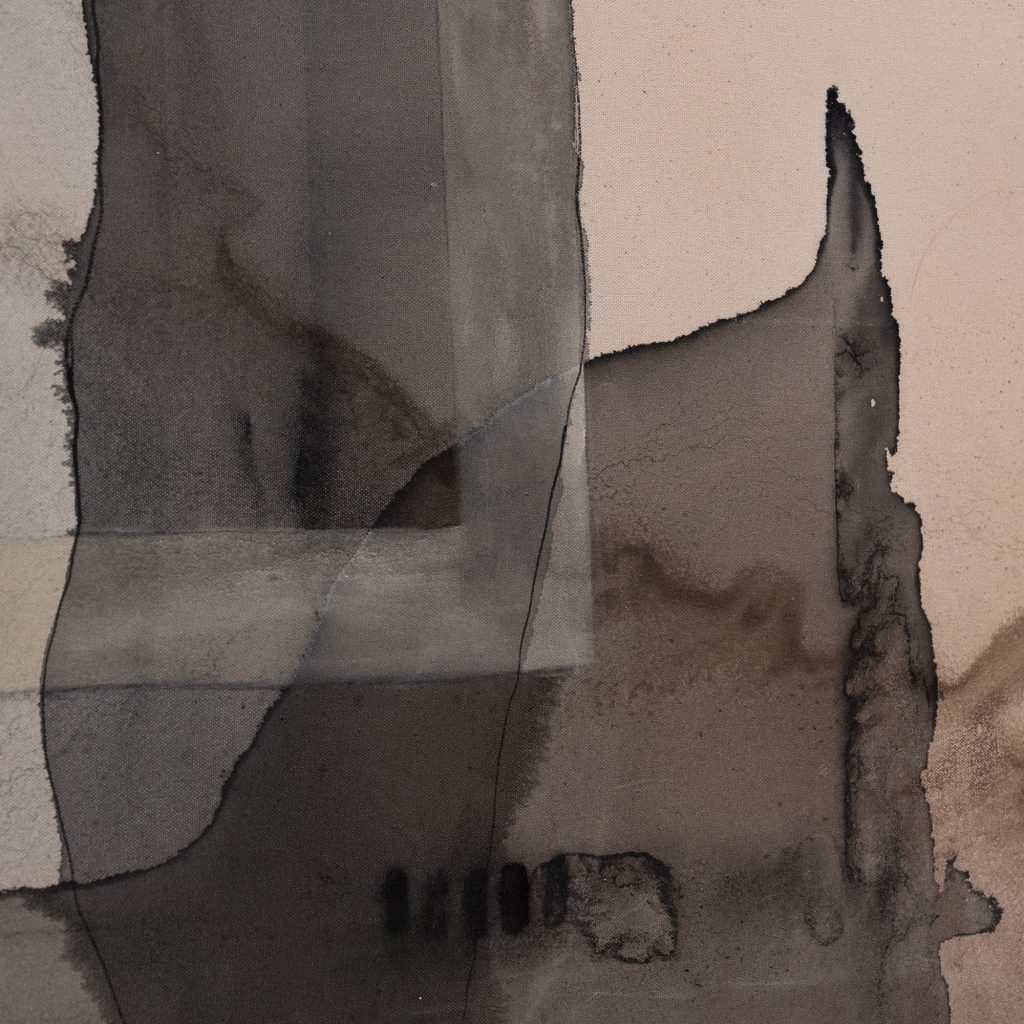
BN: You were telling me that the materials you work with often embody you while you’re creating. What did you mean by that?
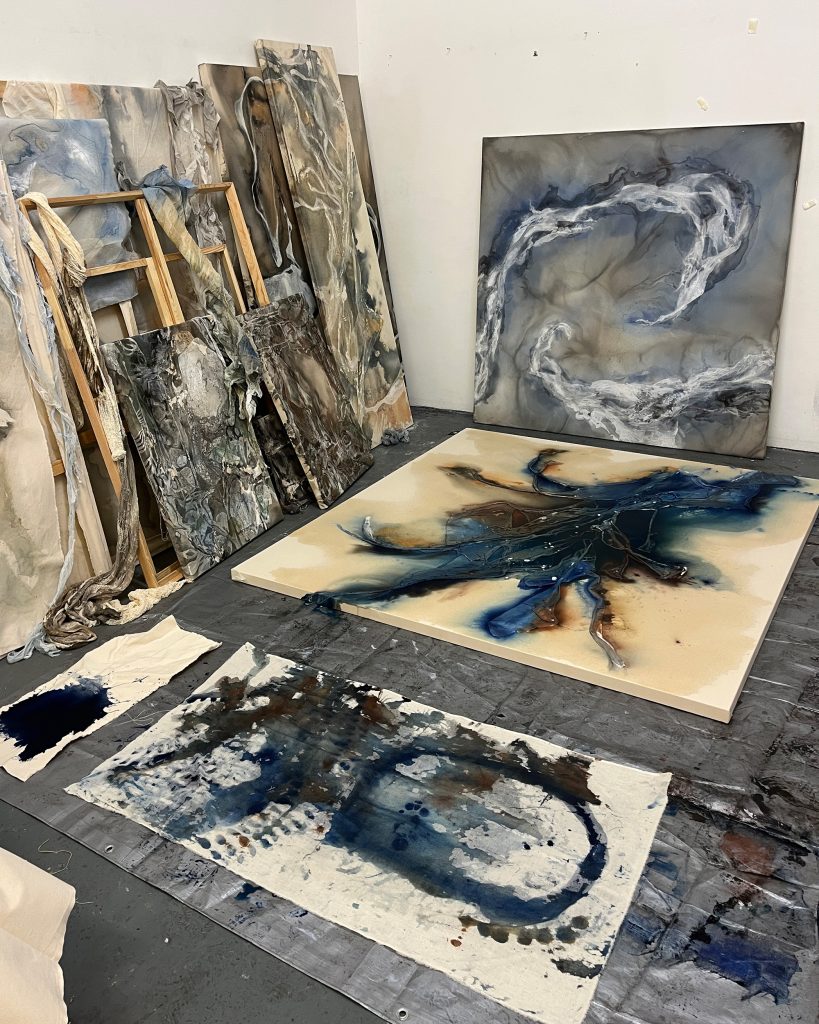
IW: Well, I think about my studio as sort of an ecosystem, or a space for symbiotic relationships. The material may be on one painting, but then creep its way onto something else. On my walls, there are multiple paintings in conversation with each other, regardless of the medium. I’ll bring one painting to completion, but there were maybe five other works that were part of its family.
IW: I also work with fabric elements that have a lot of agency and life to them – they’re my creatures. Muslin is nothing special, but you manipulate it and it comes to life. It’s kind of like a brush or a tool within my practice – I”ll use the fabrics to make impressions on the canvas and they become a part of the painting. Like an insect shedding its exoskeleton, the fabric being removed causes a metamorphosis within the work.
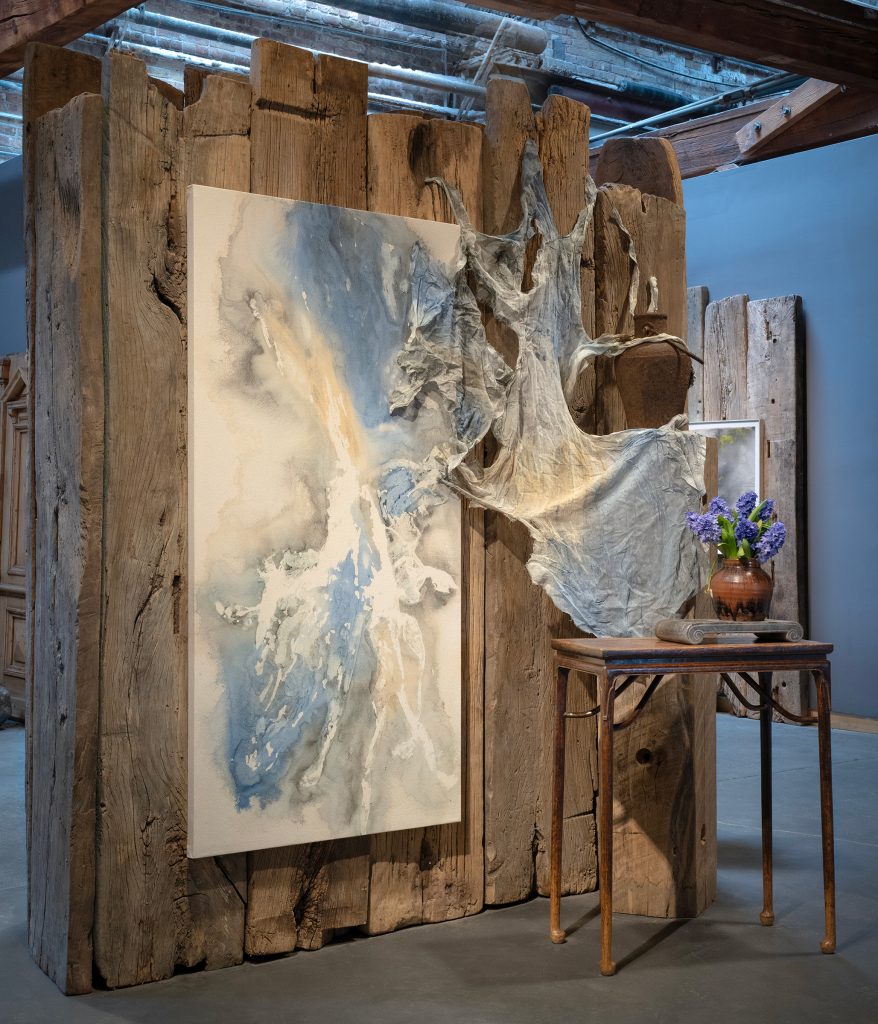
BN: One thing I love about your work is the potential for site-specific installation. Like how in this work [Estuary, above], your fabric “creature” extends beyond the canvas and around the wall.
IW: This painting is titled Estuary, which is the meeting of a river and a body of water. When I was making it, I was thinking about the meeting of a painting to installation art or textile art. I find the distinction between textile art and painting is a lot closer than we usually categorize them. For me, attaching color to fabric is painting. So in this work, I’m thinking about those boundaries and how to blur them a bit.
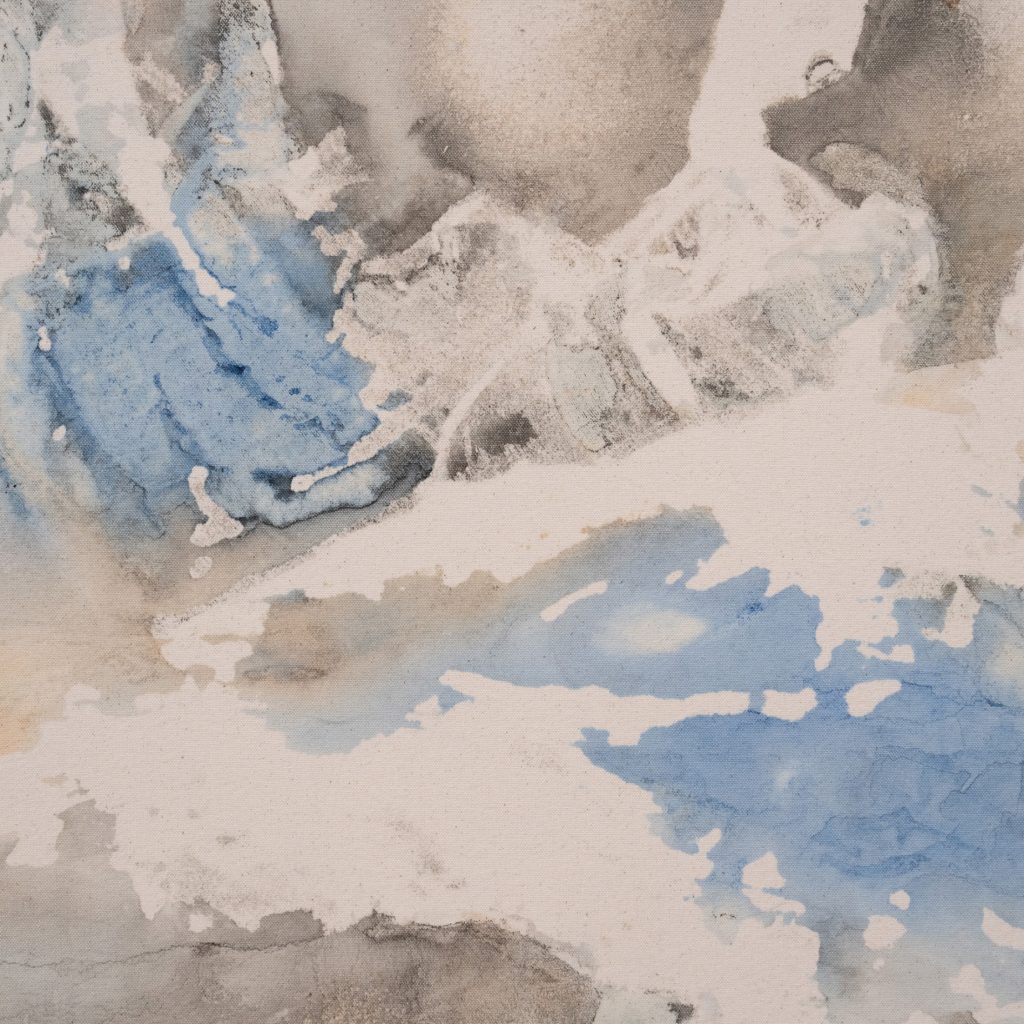
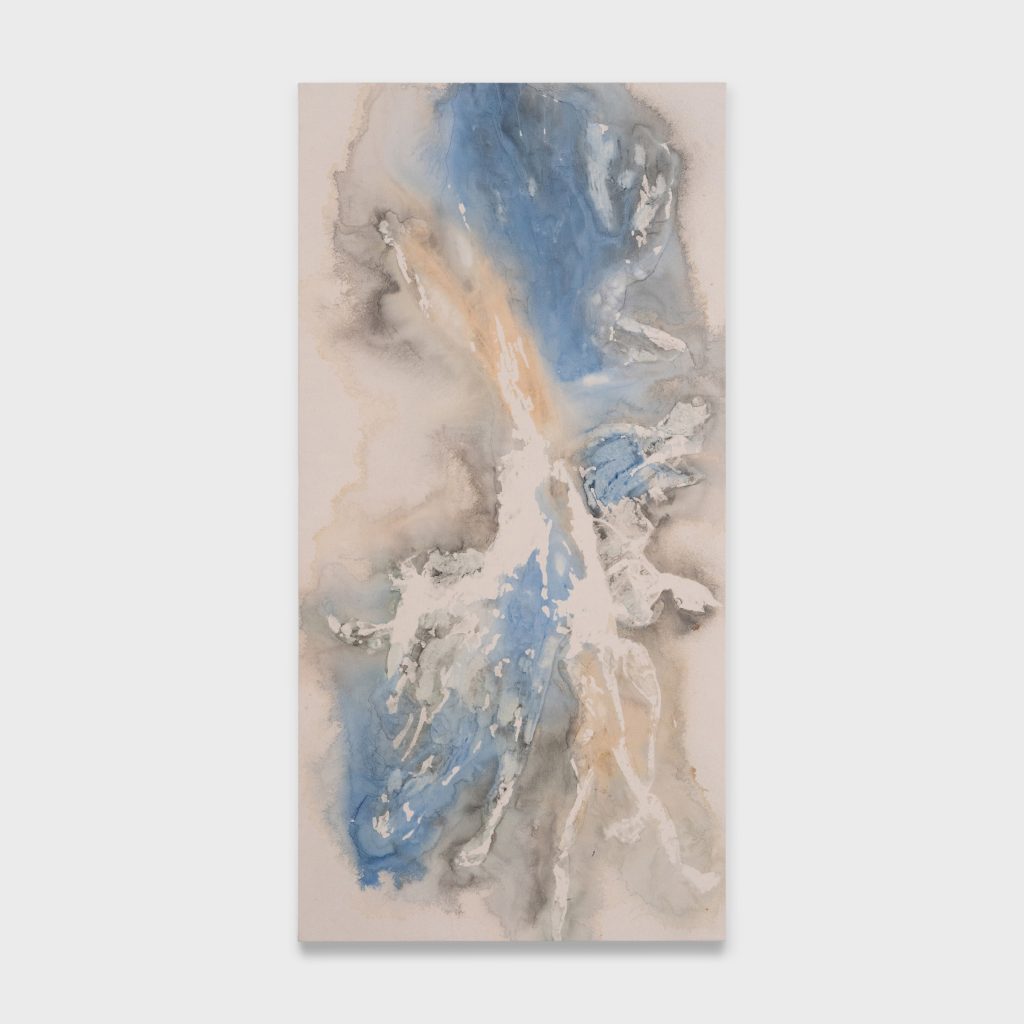
BN: Can you tell us about Charybdis II?
IW: Charybdis is a Greek myth about an ancient whirlpool. It’s a myth of choosing the lesser of two evils, and of natural phenomena becoming mythologized as a beast. For me, whirlpools and waves tie into the sublime and ideas of nature being threatening at times, scary at times, but also beautiful. It’s a necessary element of this work – I don’t ever want a painting to just be an easy, perfect moment, because nature can inspire fear as well.
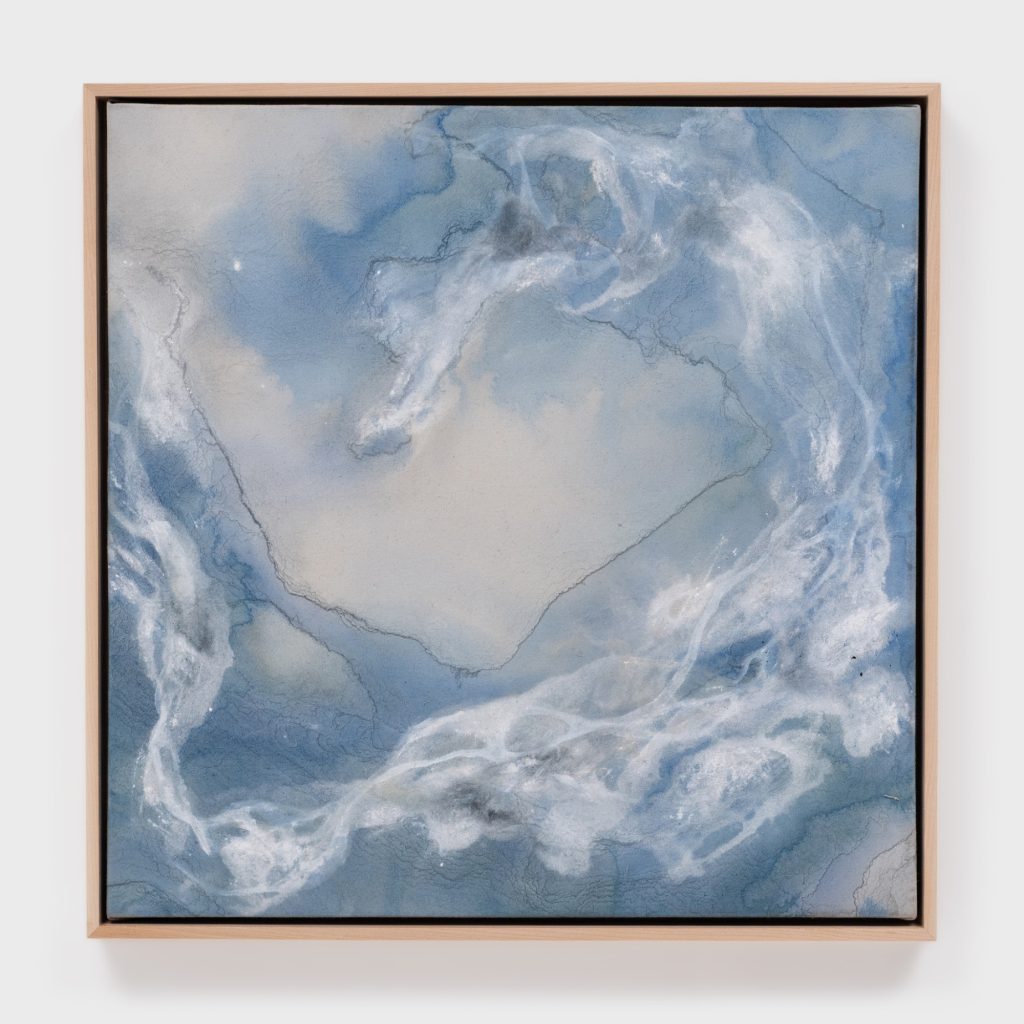
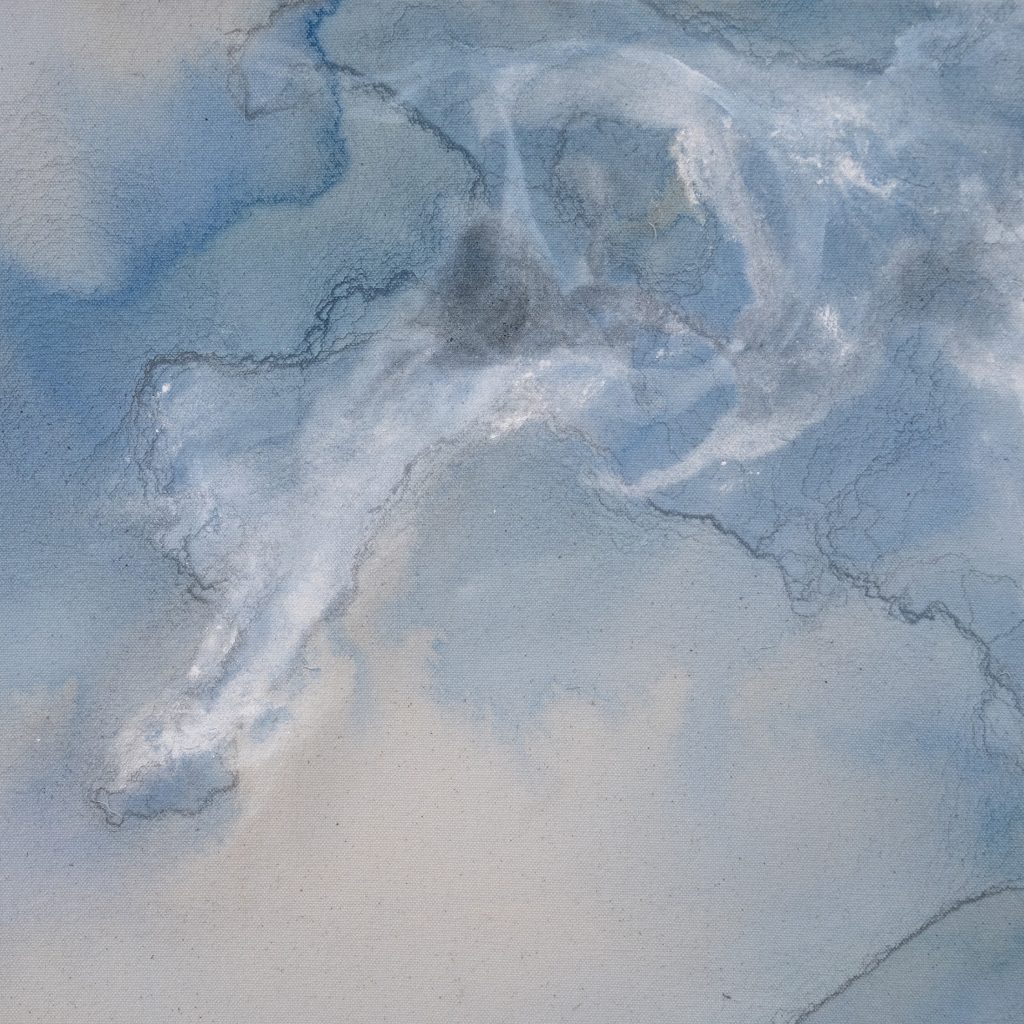
BN: Snowmelt I & II [below] also depict water, and have a sort of aquatic passage between them. How do these paintings find their place within the exhibition?
IW: These two paintings are both snowmelts, the runoff of snow into flowing water. As I was putting this show together, I was thinking about the transition of winter into spring. These works are a transition as things melt and wake back up again, and bring about new growth for moss, plants, and flowers.
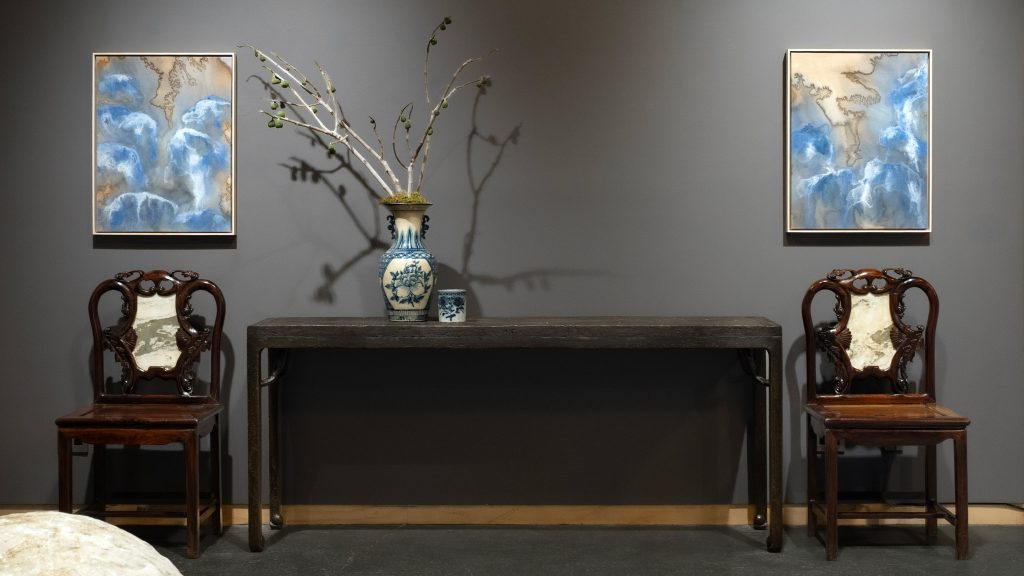
BN: You explained what the boundary layer is in regards to moss, but I really loved how you conceptually translated that, whether it be to the work of an artist, or any human being facing life’s inevitable difficulties.
IW: So the boundary layer exists not just for moss, but for the forest as well, creating a protective ecosystem that specific plants and animals can live within. Mosses are doing that at a small scale to exist within inhospitable places.
IW: I think the important element is that while moss is protected by its environment, by the boundary layer, the moss can also define the conditions of that space. So when we’re living day-to-day and dealing with so many things, it feels like the external, environmental factors are determining everything that’s happening. But moss shows us that as individuals within our ecosystem, we have agency to change our reality and create a boundary layer to grow.
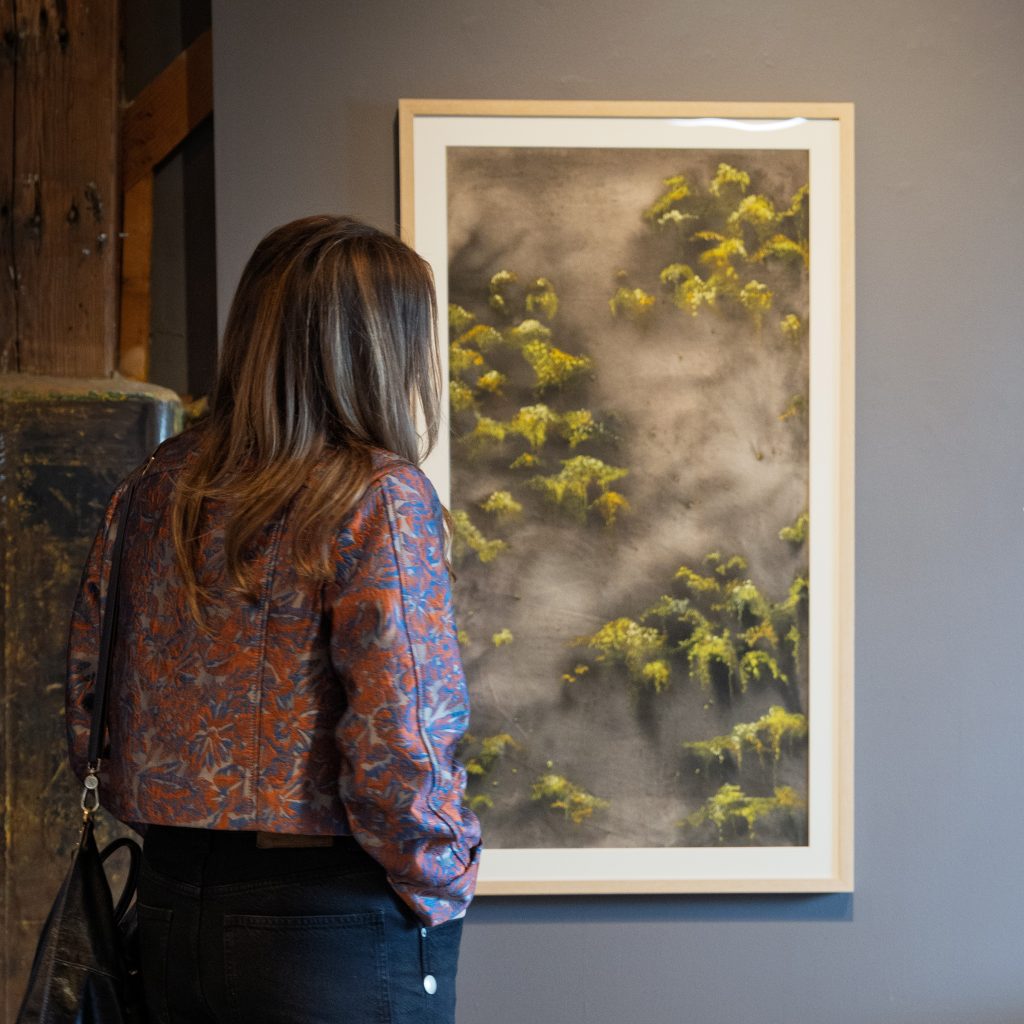
BN: With all the difficulties it encounters, moss finds its way. That’s such a wonderful message to find in your work, that in hard times or in dark spaces where it feels so tight and frustrating, there can still be growth.
BN: Slowly, unexpectedly, in the world we’re living in today, things are happening. Sometimes we don’t see it or notice it, but you do a beautiful job highlighting that quiet growth and development in your art.
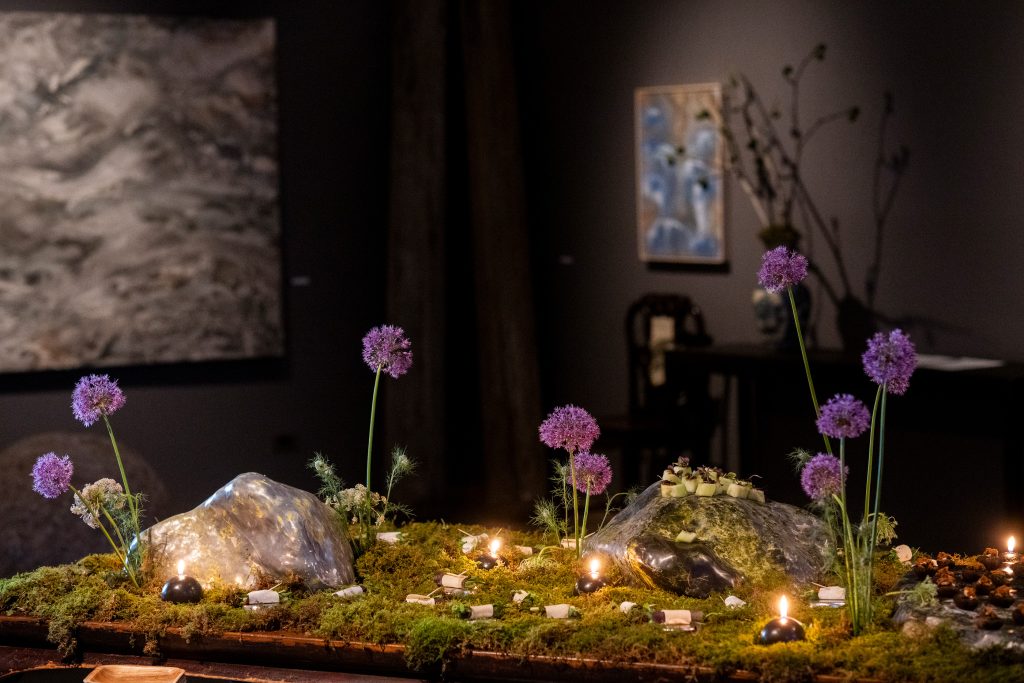
Visit PAGODA RED to view Boundary Layer in person and get inspired by Issy Wilson’s celebration of moss, resilience and quiet perseverance. On view now from April 10th to May 15th, 2026.
Photography: Rob Karlic, PAGODA RED
Issy Wilson: Boundary Layer
April 10 - May 15, 2026
SHOP BOUNDARY LAYER